


By Yemi Kale
I try to stay away from unnecessary debates but let me offer my own view from a purely technical and economist perspective (for education purposes only) to recent debates that were really unnecessary.
When economists say “an economy is now stable”, they usually mean that the economy has reached a point where it is no longer experiencing major fluctuations/disruptions.
In practical terms, it suggests macroeconomic indicators are steady, predictability and confidence where businesses, investors, and consumers feel more confident making long-term plans and there are no immediate crises. In short, saying an economy is “stable” means it has reached a balanced state where economic activities are proceeding without major turbulence.
An economy being described as “stable” however, does not always mean that citizens are free from hardship. When economists say the economy is “stable,” they usually mean that overall indicators (like inflation, exchange rates, and GDP growth) are no longer swinging unpredictably.
For example, Inflation falling from 25% to 12% and staying steady might be seen as stability.
However, prices may still be very high compared to past years, meaning people continue to struggle. Citizens experience the economy differently through cost of food, housing, transport, healthcare, and wages.
Even in a “stable” economy, if incomes are low and basic goods remain expensive, families still face hardship. Stability might only mean conditions are not getting worse quickly, not that they’ve improved enough to ease daily struggles.
So, stability, which is good, can coexist with hardship, which is bad for several reasons:
1. Stabilization Phase: After a crisis (e.g.currency crash or hyperinflation), stability may mean the bleeding has stopped. But citizens may still be hurting from the high cost of living established during the crisis.
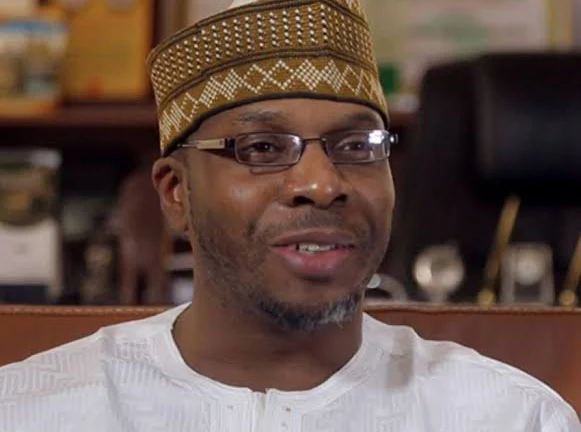
Yemi Kale
2.Lag Effect: Economic stability often benefits investors and businesses first who might start posting great results. It can take months or even years before stability eases hardship and translates into job creation, higher wages, or cheaper goods for citizens, assuming the stability holds long enough (very important. But till then, the pain is real, immediate and personal and there is still risk of stability reversing, in which case, hardship won’t be eased.
So, in summary, economic stability is like stopping a boat from rocking wildly but hardships persist if the boat is still far from shore. For citizens, stability may only mean less new hardship is being added, not that life has become easier yet. But the first step to reversing hardship is stability and stopping the bleed. It’s a necessary not sufficient condition.
Note: This is a purely technical, not political view
-Kale, former Director-General of National Bureau of Statistics is now Group Chief Economist at Afreximbank
