


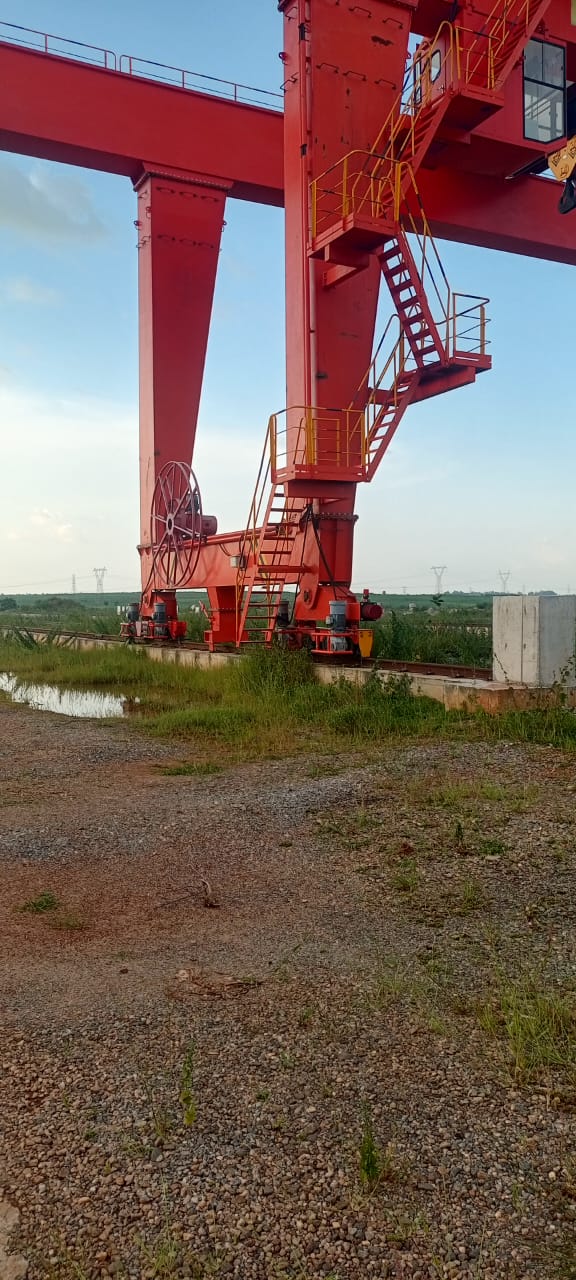
The Nigerian Railway Corporation (NRC) has again raised the alarm over incidents of vandalisation of its electrical and signaling installations across the Abuja, Lagos, Kaduna and Warri–Itakpe corridors, reports thegazellenews.com
The Corporation described the attacks as a major threat to safe and efficient train operations while also confirming that two suspects have been arrested in Kaduna in connection with the recent vandalisation of its equipment at the Rigasa Train Station area.
The suspects: Ibrahim Abdullahi, 22 years old of Hayi, Rigasa and Sani Ibrahim, 24 years old of Layi Turaki, Rigasa, were apprehended by operatives of the Nigeria Police, Railway Command attached to the Abuja–Kaduna Train Service (AKTS).
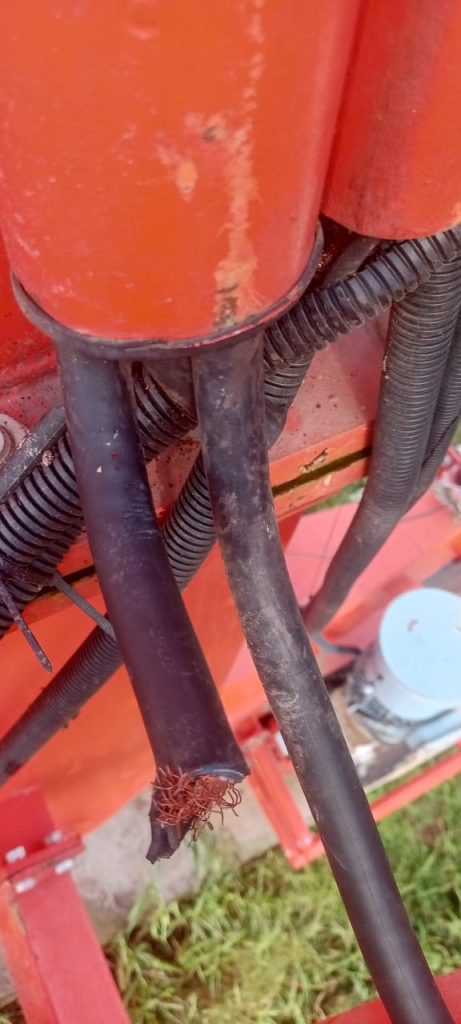
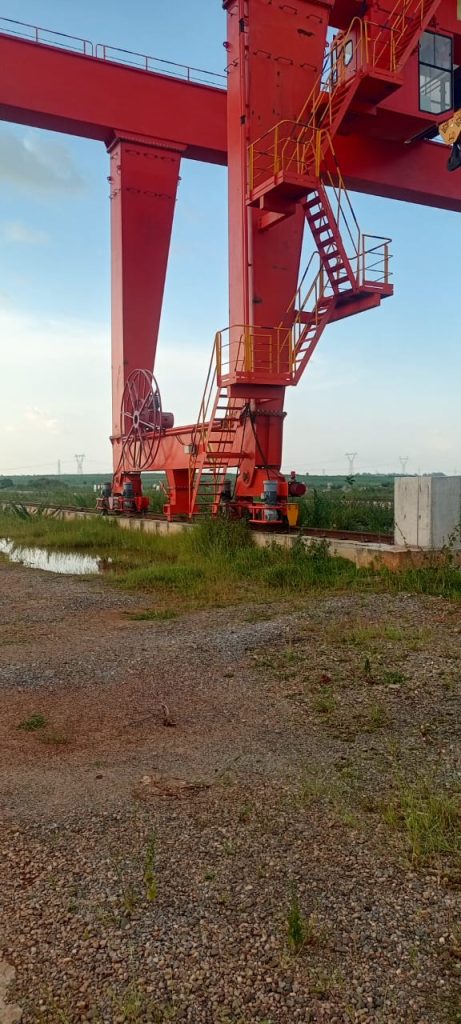
The arrest followed the discovery on Friday, 10 October, 2025, at about 12:30 p.m., that a cable wire had been cut and removed from one of NRC’s cranes stationed within the Rigasa facility.
Acting swiftly on intelligence, the patrol team led by ASP Abdullahi Bwajin, Administrative Officer at Rigasa, traced and arrested the suspects.
During interrogation, the duo confessed to committing the crime and disclosed that they sold the stolen cable to one Musa, popularly known as “Musa Major,” for ₦90,000. Each suspect reportedly received ₦30,000 as his share, while another member of their syndicate, Abdulwahab Yakubu of Rigasa, is currently at large.
Efforts are ongoing by the Nigeria Police, Railway Command (AKTS) to apprehend the remaining suspect and recover the stolen materials. The NRC commends the Command for its professionalism and swift action, assuring that all culprits involved in acts of vandalism will face the full weight of the law.
The Managing Director/Chief Executive Officer of the Nigerian Railway Corporation, Dr. Kayode Opeifa, expressed deep concern over the increasing attacks on railway electrical and signaling infrastructure, describing them as Critical National Assets. He stated that henceforth, the Corporation, in collaboration with security agencies, will treat such offences as economic sabotage with severe legal consequences for perpetrators.
Dr. Opeifa further appealed to members of the public, particularly residents of communities hosting railway facilities, to support the NRC and security agencies in protecting these assets.
He noted that the railway system has always served as a catalyst for community development and improved livelihoods, and safeguarding it remains a collective responsibility.
