



By Segun Adewale in Bauchi
PLAN International, in collaboration with the Bauchi State Chapter of the Nigeria Association of Women Journalists (NAWOJ), has intensified efforts to combat menstrual stigma through a sensitization programme for students of the Special Education School in Bauchi.

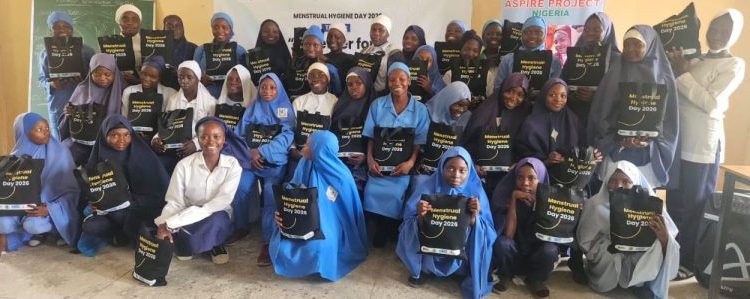
The event, held yesterday to commemorate the 2026 World Menstrual Hygiene Day, brought together students, teachers, health experts, and development partners under the theme, “Together for a #PeriodFriendlyWorld.”
The programme was implemented under the Adolescent Sexual and Reproductive Health in Nigeria (ASPIRE) Project, funded by the Government of Canada through Global Affairs Canada (GAC).
Speaking during the programme, Senior Project Manager of PLAN International, Nasiru Mohammed Musa, said the organization remains committed to promoting menstrual health education and ensuring that adolescent girls, including those with disabilities, have access to accurate information and essential hygiene resources.
He explained that addressing menstrual stigma requires increased awareness, availability of menstrual hygiene products, and access to adequate Water, Sanitation and Hygiene (WASH) facilities.
According to him, the sensitization was designed to strengthen participants’ understanding of menstruation and encourage them to share the knowledge with others, thereby helping to create a more supportive and inclusive environment for girls.
Musa noted that boys were also included in the programme to encourage empathy and support for girls during their menstrual health journey.
He highlighted PLAN International’s previous interventions in Bauchi State, including the establishment of pad banks in more than 90 schools across Ganjuwa, Ningi, and Toro Local Government Areas under the KTC Project.
The project manager added that the successes recorded under the initiative attracted additional support through the ASPIRE Project, which is currently expanding menstrual hygiene and reproductive health interventions to schools across ten local government areas of the state.
He said the project also promotes awareness on sexual and reproductive health, mental health, life skills, and other issues affecting adolescents through school-based health clubs.
Principal of the Special Education School, Hajiya Jamila Salisu Garba, commended PLAN International and its partners for prioritizing the needs of students with disabilities.
She described the programme as a valuable intervention that would help students gain essential knowledge and confidence to manage their menstrual health effectively while promoting their dignity and well-being.
Also speaking, Chairperson of the Bauchi State Chapter of NAWOJ, Rashida Yusuf, emphasized the importance of menstrual hygiene education in improving girls’ school attendance and academic performance.
She said the campaign would help break harmful myths and misconceptions surrounding menstruation while encouraging healthy hygiene practices among young people.
Yusuf reaffirmed NAWOJ’s commitment to supporting initiatives that empower women and girls and appreciated the Bauchi State Government for creating an enabling environment for development partners to implement reproductive health programmes.
As part of the event, experts conducted practical sessions on menstrual hygiene management and trained participants on how to produce reusable sanitary pads.
Students also received hygiene kits containing sanitary materials and other essential items to support safe and dignified menstrual care.
The programme underscored the collective commitment of stakeholders to promoting menstrual health, ending stigma, and ensuring that no girl is left behind due to challenges associated with menstruation.
