


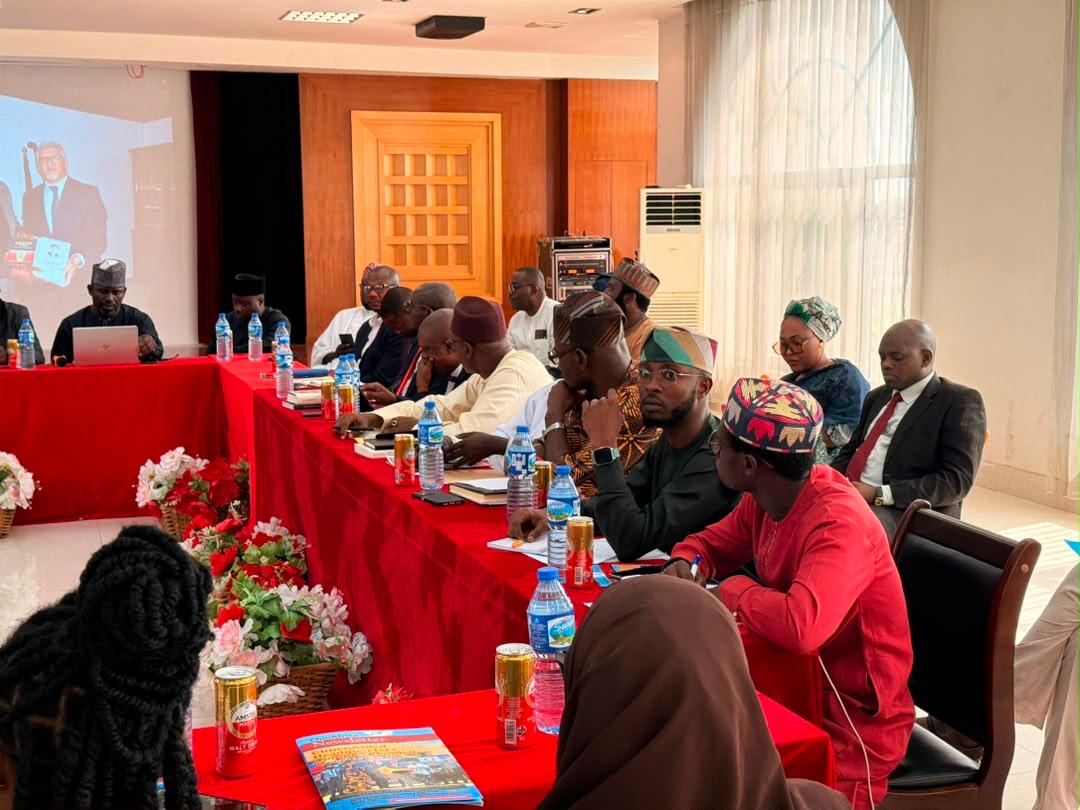
Nigeria and China have signaled a deeper convergence on governance philosophy and development strategy, as senior Chinese diplomatic officials and Nigerian policy scholars used a high-level Abuja dialogue to elevate President Xi Jinping’s governance framework into a central reference point for discussions on modernization, poverty reduction, and state-led development across Africa.
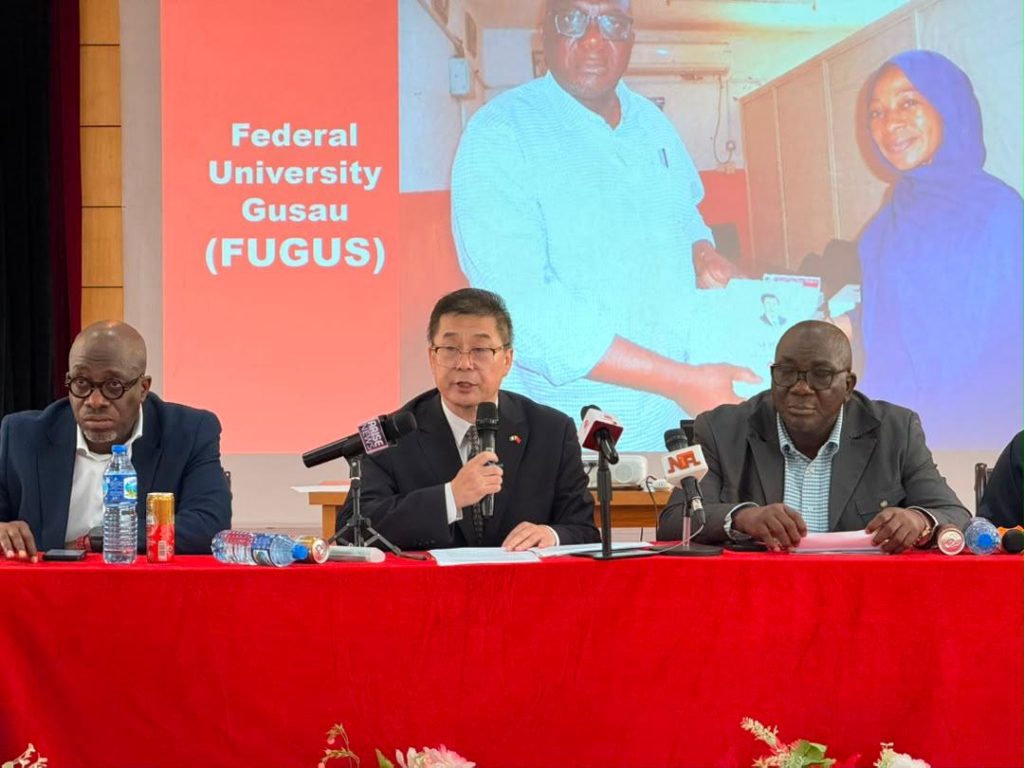
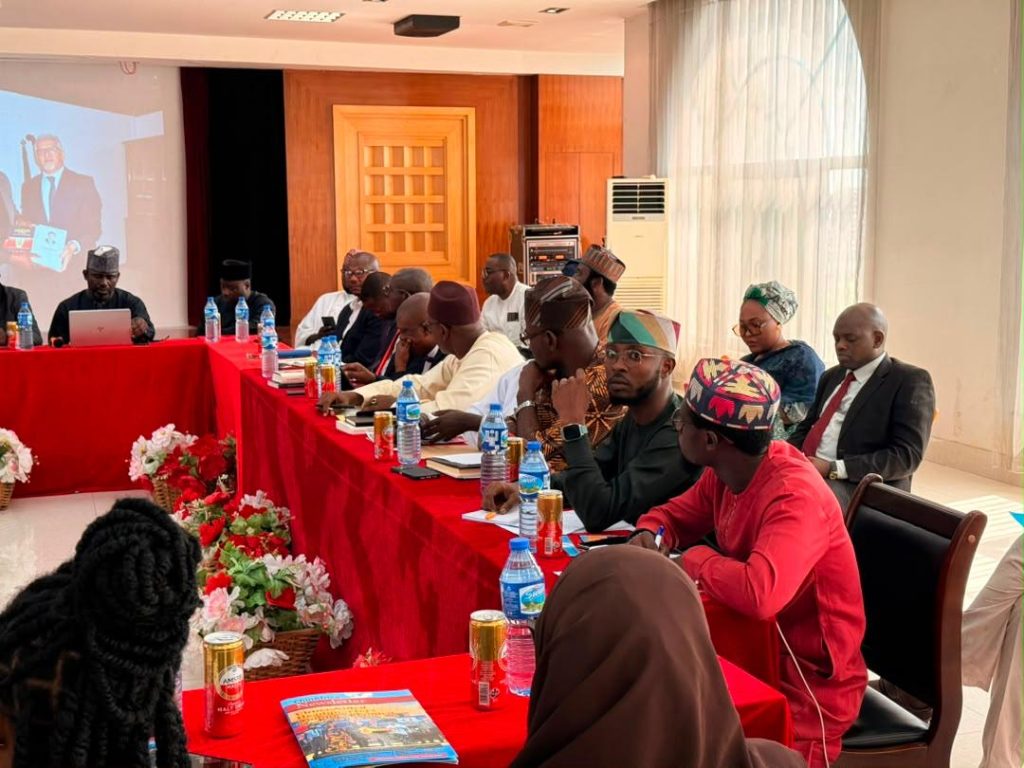
The dialogue, held at the China Chamber of Commerce in Nigeria and organized by the Centre for China Studies, brought together diplomats, academics, and policy experts under the theme “The Governance of China” and Knowledge Sharing in Nigeria–China Cooperation: Implications for Mutual Learning.” Participants examined China’s development trajectory and its potential relevance for Nigeria’s governance and reform agenda.
Chinese Embassy Counselor Wang Jun, in his remarks, described Xi Jinping: The Governance of China series as a structured articulation of China’s governance philosophy and development experience, covering key policy areas such as targeted poverty alleviation, ecological civilization, and long-term strategic planning.
He highlighted China’s achievement in lifting hundreds of millions of people out of poverty as a landmark example of what he called a people-centred development model, noting that such experience could offer useful lessons for countries pursuing inclusive growth. Wang also underscored China’s ecological governance approach, citing the principle that “lucid waters and lush mountains are invaluable assets,” which he said reflects the country’s commitment to balancing development with environmental sustainability.
According to him, China is willing to share governance experience with African countries while emphasizing that each nation must pursue a development path suited to its own national conditions. He added that China–Africa cooperation continues to expand under a shared vision of mutual development and a common future.
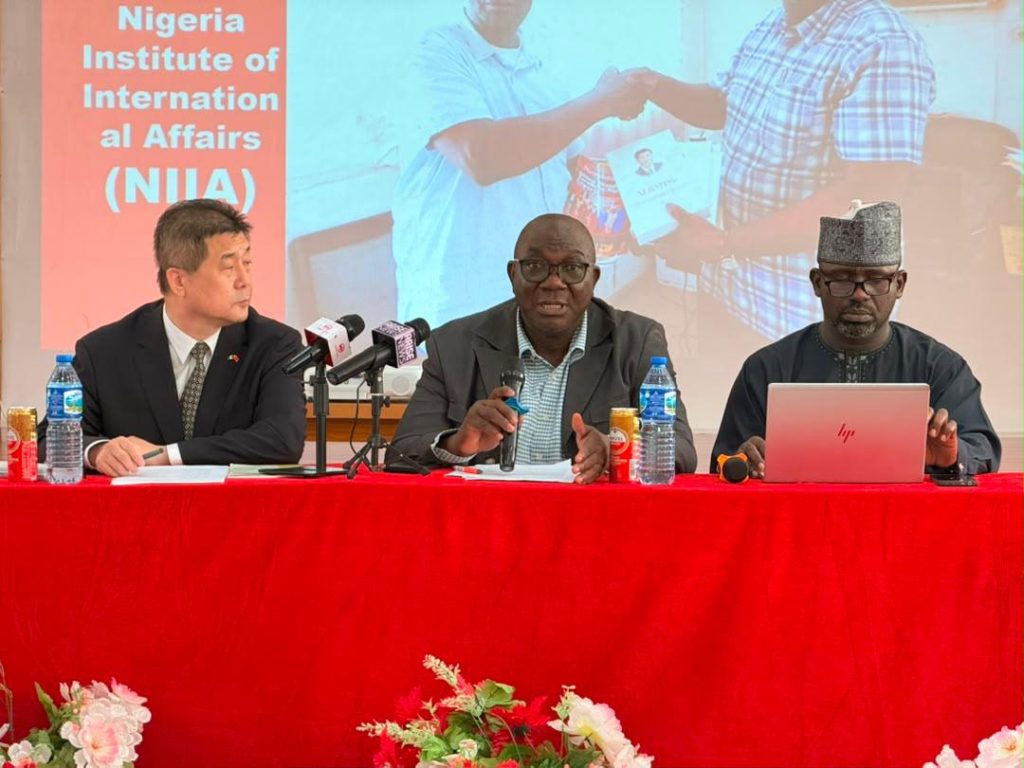
In a more analytical intervention, Provost of the Anti-Corruption Academy of Nigeria and Director of the Centre for Contemporary China–Africa Research, Prof. Sheriff Ghali Ibrahim, urged participants to treat the dialogue as an intellectual exercise grounded in inquiry rather than certainty.
He adopted a Socratic framing, stressing that no single perspective holds all answers to governance challenges, and that value lies in extracting practical lessons from comparative experiences. He described The Governance of China as a compilation of policy speeches and writings by President Xi Jinping, structured around themes such as reform, modernization, rule of law, ecological sustainability, and national rejuvenation.
Prof. Ibrahim outlined the progression of the series, noting that earlier volumes focused on reform and opening-up, while later editions addressed pandemic response, poverty alleviation, and China’s drive toward modernization. He also referenced the Selected Readings of Xi Jinping, which he said provides deeper insight into China’s modernization agenda and governance priorities.
He identified key principles of Chinese modernization, including people-centred development, common prosperity, integration of material and cultural advancement, ecological balance, and peaceful development. He emphasized that China’s approach rejects colonial expansion and instead promotes development through cooperation and internal transformation.
The Belt and Road Initiative, he noted, represents a broader framework beyond infrastructure, encompassing policy coordination, trade facilitation, financial integration, digital connectivity, and people-to-people exchanges. He described it as part of a wider effort to strengthen global cooperation and development partnerships.
Prof. Ibrahim further highlighted China’s concept of holistic national security, which integrates political, economic, social, and ecological dimensions. He argued that sustainable governance requires balancing development with stability and security.
On China–Nigeria relations, he observed that bilateral ties have been elevated to a comprehensive strategic partnership, with cooperation expanding in sectors such as nuclear energy, infrastructure development, media collaboration, and capacity building. He noted that trade between both countries has exceeded $28 billion, reflecting deepening economic engagement.
He also pointed to China’s tariff reductions on several African exports as an opportunity for African economies to expand industrial processing and value addition, rather than relying solely on raw material exports.
The dialogue concluded with a shared call for stronger knowledge exchange, deeper policy cooperation, and sustained intellectual engagement between Nigeria and China, particularly in the areas of governance innovation, modernization, and sustainable development.
