
• Home
  • News
  • Politics
  • Business
  • Entertainment
  • Education
  • Interviews
  • Sports
Facebook X (Twitter) Instagram
Trending
  • NSCDC Dismisses Officers; Sanctions 79 Personnel; Busts Illegal Arms Ring
  • Lagos Signs MoU With Transport Unions To Kick-off Bus Industry Transition Programme
  • FG Unveils NHRC-Police Liaison Framework to Tackle Rights Violations, Strengthen Accountability
  • Governance Failures Fuel Northern Nigeria’s Child Malnutrition Crisis – Athena Centre
  • Reflection on Resilience: Rising Through Shared Struggles
  • FG Reacts to Labour’s Strike Threat, Promises Payment Before mid-August 
  • NURTW Boss Sego, 5 Others Face Jail Term over Contempt; Court Awards N12m Damages Against Union
  • Abuja Earth Tremor: Alake Calls for Calm, Directs Agency to Report Updates
Facebook X (Twitter) Instagram
The Gazelle NewsThe Gazelle News
  • Home
  • News
  • Politics
  • Business
  • Entertainment
  • Education
  • Interviews
  • Sports
The Gazelle NewsThe Gazelle News
Home » Solar Energy: FG to Inject 60.82MW into National Grid amid Electricity Supply Challenges 
Business

Solar Energy: FG to Inject 60.82MW into National Grid amid Electricity Supply Challenges 

Abimbola OgunaikeBy Abimbola OgunaikeAugust 6, 2026Updated:August 6, 2026No Comments4 Views
Facebook Twitter Pinterest LinkedIn WhatsApp Reddit Tumblr Email
Share
Facebook Twitter LinkedIn Pinterest Email

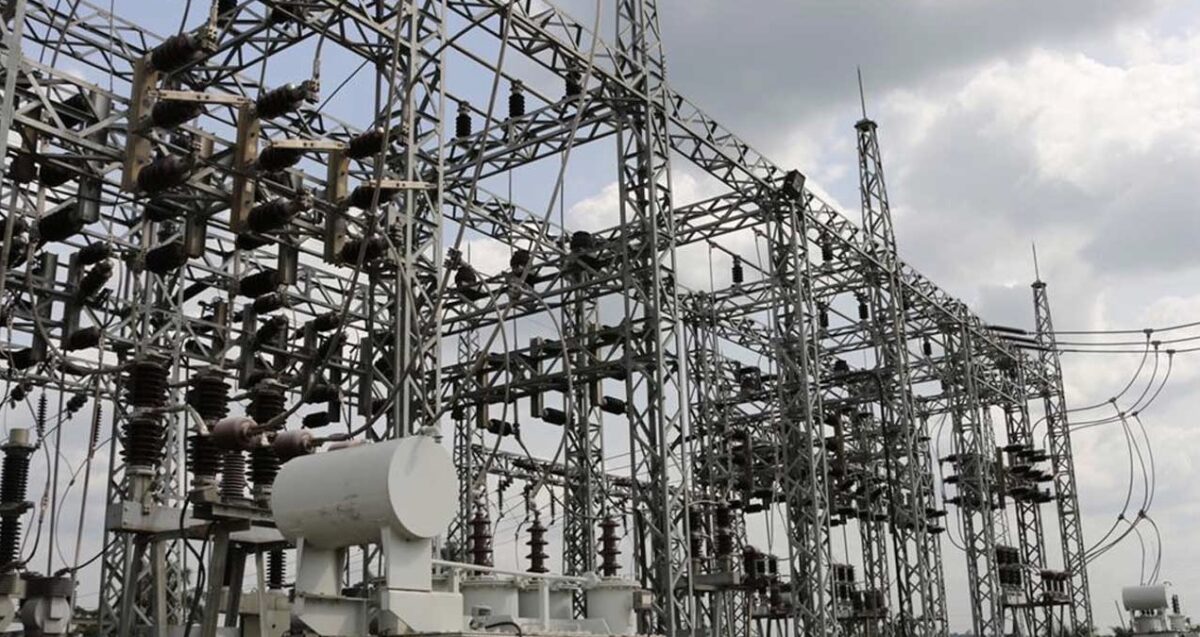
The Federal Government is set to inject a cumulative total of 60.82 megawatts (MW) of solar-generated electricity into the country’s national grid amid power supply challenges.

This comes as the Federal Government on Wednesday, 5 august, 2026 commenced the construction of a 13.92 megawatt-peak, MWp interconnected hybrid solar mini-grid project in Yobe State.
Before the Yobe initiative, the government had already developed 46.9MW of power infrastructure across five other states.

It was gathered that the Federal Government had earlier commissioned a 20mw mini-grid in Egume, Kogi State; an 11.9mw project in Ogu-Bolo, Rivers State; and a 10MW installation in Kofare, Adamawa State.

Similarly, the government had earlier commenced renewable energy projects comprising a 3.5mw mini-grid in Ambursa, Kebbi State, and a 1.5mw project in Pankshin, Plateau State.

Commenting on the development, the Managing Director of the Rural Electrification Agency, Abba Abubakar Aliyu, noted that interconnected hybrid mini-grids are engineered to integrate seamlessly with existing distribution networks.

“We are creating an environment where businesses can grow, young people can innovate, farmers can process more of what they produce, healthcare facilities can provide better services, and local economies can flourish,” he said.

Nigeria has, for decades, struggled to generate a maximum of 6,000mw of electricity despite having a population of over 250 million people.

Source: Daily Post

electricity supply National grid Solar Energy
Share. Facebook Twitter Pinterest LinkedIn Tumblr Telegram Email
Abimbola Ogunaike

Related Posts

Lagos Signs MoU With Transport Unions To Kick-off Bus Industry Transition Programme

August 6, 2026

Reflection on Resilience: Rising Through Shared Struggles

August 6, 2026

FG Reacts to Labour’s Strike Threat, Promises Payment Before mid-August 

August 6, 2026

NSCDC Dismisses Officers; Sanctions 79 Personnel; Busts Illegal Arms Ring

August 6, 2026

Lagos Signs MoU With Transport Unions To Kick-off Bus Industry Transition Programme

August 6, 2026

FG Unveils NHRC-Police Liaison Framework to Tackle Rights Violations, Strengthen Accountability

August 6, 2026

Governance Failures Fuel Northern Nigeria’s Child Malnutrition Crisis – Athena Centre

August 6, 2026
© 2026 All Rights Reserved. The Gazelle News. Designed By DeedsTech.

Type above and press Enter to search. Press Esc to cancel.