


By Olabode Opeseitan
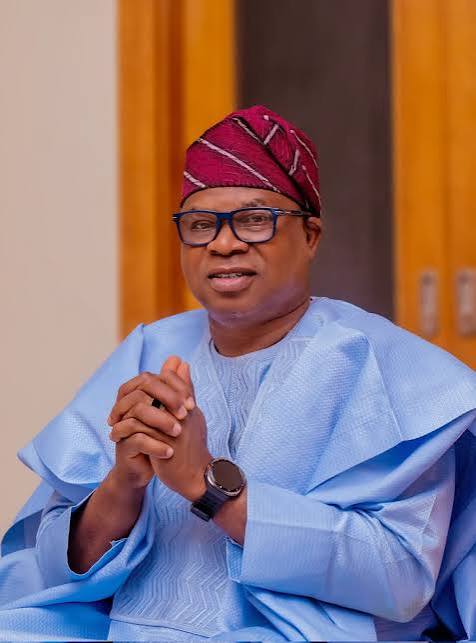
On the eve of Osun State’s governorship election, Bola Oyebamiji, the All Progressives Congress candidate stepped before the camera with the urgency of a man who believes his state is in need of urgent rescue. His message was not subtle. It was a plea, a warning and a campaign pitch woven into one: Osun must vote, and Osun must change course.
In the broadcast, Oyebamiji accused Gov Ademola Adeleke of turning public resources into a private inheritance, concentrating development in Ede while other communities waited for roads that cracked too soon and projects that never quite matched their price tags. The critique echoed a week of political tremors, including former Governor Olagunsoye Oyinlola’s dramatic break from Adeleke and endorsement of the APC candidate.
“Our collective wealth has been personalised,” Oyebamiji said, his tone measured but unmistakably sharp. “Communities across this state have been deprived of the development they should get.”
He urged supporters across Osun’s 30 local government councils to vote “peacefully and in large numbers,” framing the election as a test of leadership and a chance to reset the trajectory of a state long caught between ambition and uneven execution.
Oyebamiji’s agenda, which he calls a “prosperity plan,” promises growth, jobs, security and a renewed focus on human development. It is a familiar list, but in Osun’s charged political climate, even familiar promises carry new weight.
Saturday’s election is more than a local contest. It is a stage on which national ambitions flicker. For the ruling APC, reclaiming Osun would signal resilience ahead of the 2027 presidential race. For Adeleke, it is a fight to defend a record under intense scrutiny. For voters, it is a moment to decide whose vision feels truer, whose voice feels steadier, and whose promises feel less like acting and more like governance.
