


The Global Initiative for Food Security and Ecosystem Preservation (GIFSEP) and the United Nations Development Programme Global Environment Facility Small Grants Programme (UNDP GEF-SGP) have urged communities in Nasarawa State to sustain and expand the waste-to-wealth initiatives introduced under the #BioWaste4Resilience project.
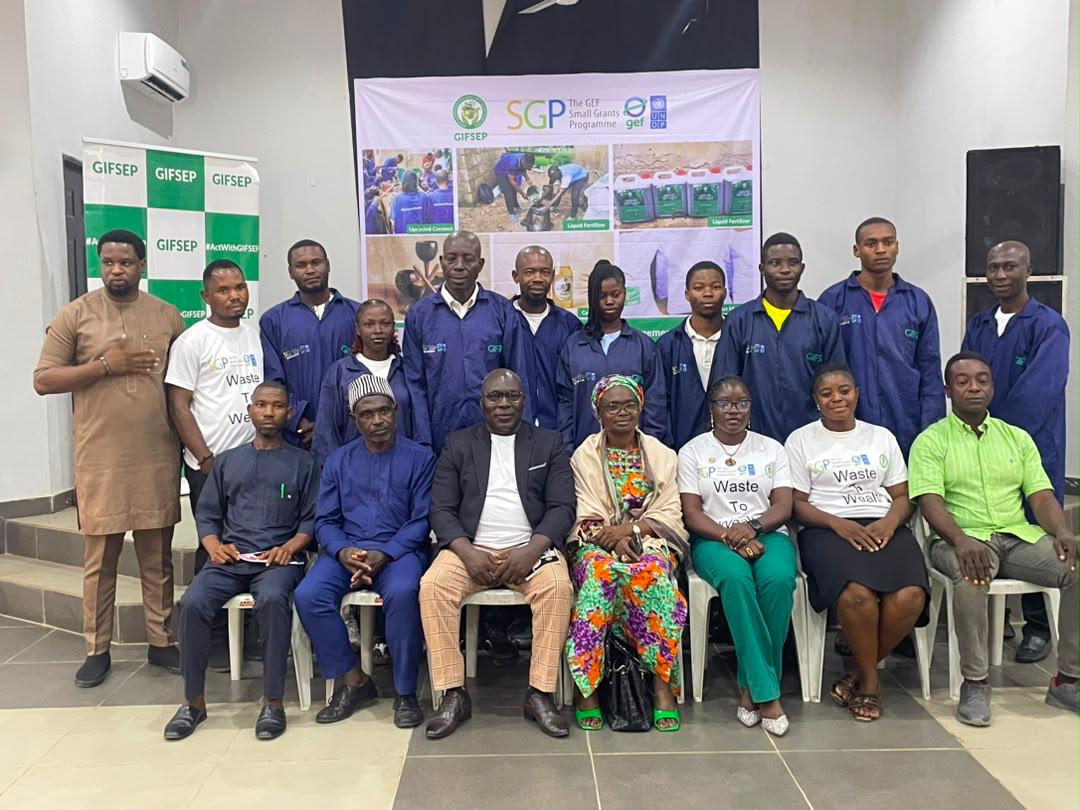
The call was made on Thursday, 20 August, 2026, at a Knowledge Management Workshop organised by GIFSEP in Karu Local Government Area of the state to mark the completion of the project.
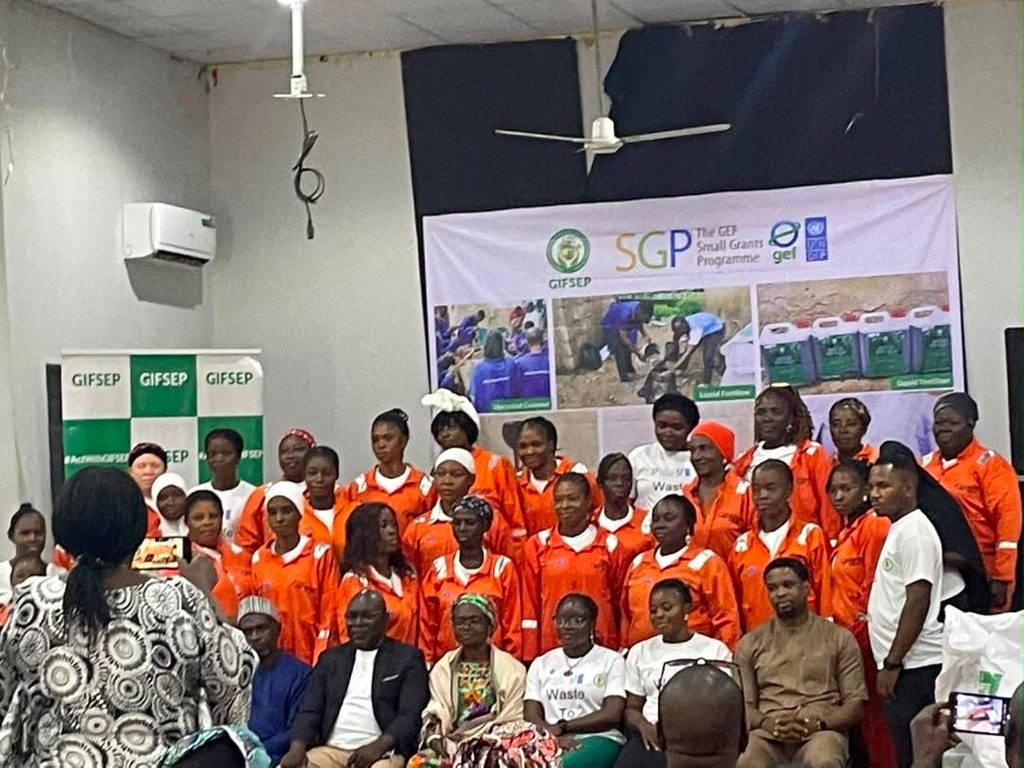
The workshop brought together the National Coordinator of the UNDP GEF Small Grants Programme, Dr. Ibironke Olubamise; representatives of the Nasarawa State Government; officials of the Ministry of Environment and Natural Resources; the Director-General of the Nasarawa State Waste Management and Sanitation Agency (NASWAMSA); community leaders; partner organisations; members of the Agwan Doka 2 Women Cooperative and other stakeholders.
However, beyond celebrating the completion of the initiative, GIFSEP used the occasion to highlight a major policy outcome of the project — the development of the Nasarawa State Integrated Waste Management Policy 2026, which it described as the first integrated waste management policy developed by the state since its creation 29 years ago.
The Executive Director of GIFSEP, Dr. Michael Terungwa David, said the policy represented a significant demonstration of how community-level environmental interventions could influence government policy and wider systems.
According to him, the policy, developed in collaboration with the Nasarawa State Ministry of Environment and Natural Resources, provides a framework for improved waste collection, segregation, recycling, resource recovery and safe disposal across the state.
He said it was also designed to promote a circular economy, cleaner communities, improved public health, job creation and waste-to-wealth opportunities.
David said the Knowledge Management Workshop was therefore not merely a ceremony to mark the end of the project, but an opportunity to document its achievements and lessons and explore how the solutions could be replicated in other communities.
He explained that the #BioWaste4Resilience project was based on the principle that waste, when properly managed, could become an economic resource rather than merely an environmental burden.
“Waste is not necessarily the problem. Poorly managed waste is the problem. When properly managed, waste can become an opportunity for economic empowerment and environmental protection,” he said.
David said the project demonstrated how organic and other forms of biowaste could be converted into useful products and sources of livelihood, with beneficiaries trained and supported to produce nutrient-rich compost and liquid fertiliser.
He added that the initiative also demonstrated the value of discarded coconut shells by transforming them into reusable and attractive household and other useful products.
According to him, the interventions showed the connection between effective waste management, environmental protection, livelihood development, climate resilience and the circular economy.
David particularly commended members of the Agwan Doka 2 Women Cooperative, saying they had gone beyond being beneficiaries to becoming active participants in turning environmental challenges into economic opportunities.
He said the experience demonstrated what women could achieve when provided with the necessary knowledge, skills and support.
The GIFSEP executive director expressed appreciation to the UNDP GEF Small Grants Programme for supporting the initiative and recognising the capacity of local organisations and communities to develop practical solutions to environmental challenges.
He also commended Olubamise for her leadership and support, while appreciating the Nasarawa State Government, Ministry of Environment and Natural Resources and NASWAMSA for their partnership and ownership of the project.
In her remarks, Olubamise said the UNDP GEF Small Grants Programme was designed to support pilot projects that demonstrate to communities that practical solutions to environmental challenges are possible.
She said the programme provides communities with the resources and support needed to test innovative solutions, after which beneficiaries are expected to take ownership and expand the initiatives.
Olubamise urged beneficiaries of the #BioWaste4Resilience project to take ownership of the initiative and ensure that its benefits continued beyond the formal completion of the project.
She warned that the sustainability of the project would largely depend on the commitment of the community, stressing that the level of commitment demonstrated after the project could influence the community’s ability to attract further support and opportunities.
The UNDP GEF-SGP coordinator cited previous projects supported by the programme in Abuja and other parts of Nigeria, saying some communities had initially failed to recognise the value in materials they considered waste but eventually discovered opportunities to create products and livelihoods from them.
She urged the Nasarawa beneficiaries to maximise the opportunities created by the project, saying they could not predict how far the initiative could go if they continued to improve and expand it.
Olubamise also cautioned against allowing the benefits of the project to remain concentrated in the hands of a few individuals, urging broader participation and collective ownership within the community.
David, while closing the workshop, said the completion of the project should be regarded as the beginning of a new phase rather than an end.
He said the knowledge generated, compost produced, women empowered, coconut shells transformed and the waste management policy developed should contribute to a broader movement for cleaner communities, resilient livelihoods and a healthier environment.
He urged stakeholders to continue turning waste into wealth and environmental challenges into economic opportunities, stressing that the experience of #BioWaste4Resilience had demonstrated how community-level action could drive environmental sustainability, economic empowerment and policy development in Nasarawa State and beyond.
