


By Sunday Dare
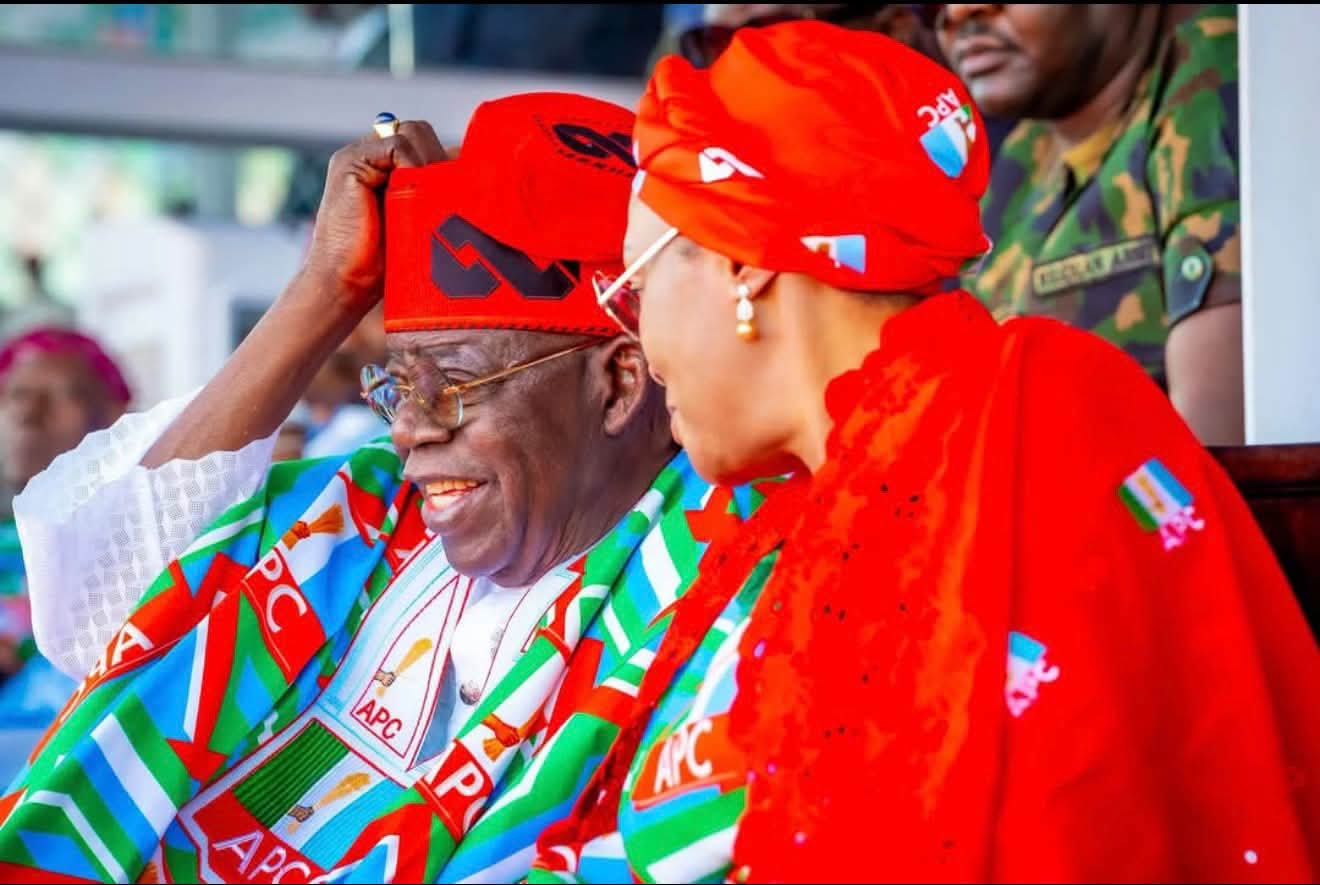
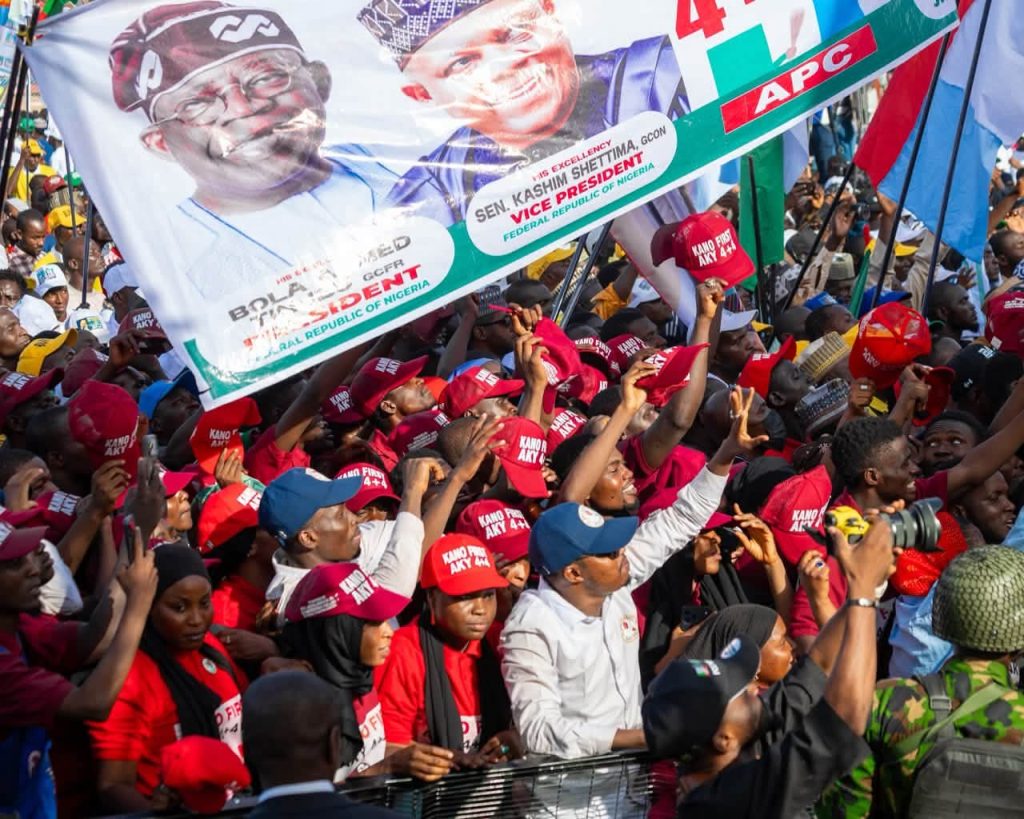
The APC presidential rally in Kaduna has ended, but its political meaning extends beyond the dismantling of the stage. On October 24, 2026, President Bola Ahmed Tinubu took his campaign for a second term to a city whose place in Nigeria’s political history gives every major gathering added weight. Kaduna offered a setting for renewing political relationships and for a leader to make his case to north west voters and citizens whose mandate he seeks again.
Tinubu’s political strength rests on more than the authority of office. Before entering Aso Rock, he spent decades cultivating relationships, organizing structures, supporting candidates, and building alliances across competing constituencies. His durability reflects that patient investment in people and organization, as well as his willingness to remain engaged through difficult contests.
Kaduna gave that history a particularly resonant stage.
As the capital of the former Northern Region, the city became a center from which decisions traveled across a vast and diverse territory. Its institutions helped shape the personnel, priorities, and political habits of a region whose participation remains indispensable to the formation of national governments. To campaign in Kaduna is therefore to enter a conversation that spans generations: one about public administration, regional aspiration, political organization, and Nigeria’s continuing effort to govern its diversity.
The spirits of Sir Ahmadu Bello, Sir Kashim Ibrahim, Alhaji Balarabe Musa, and Dr. Yusufu Bala Usman belong in this narrative through the responsibilities their names summon. Bello and Kashim Ibrahim represent traditions of regional government, institution building, and public service. Balarabe Musa evokes populist reform, accountability, and concern for ordinary citizens. Bala Usman represents the uncompromising demand that power be examined critically and judged by its consequences for the people.
Their memory gives a contemporary rally its proper standard. It asks what leadership builds, whom it prepares for opportunity, how it accepts accountability, and what it leaves behind. Historical memory matters only when it sharpens present responsibility—through functioning schools, effective administration, productive communities, and broader opportunity.
That inheritance also explains Kaduna’s importance to presidential electioneering. Victory requires relationships across regions, religions, communities, and competing interests. Kaduna connects regional political memory with national ambition, allowing a candidate to address both the immediate demands of an election and the larger question of how Nigerians can govern together.
At the rally, Vice President Kashim Shettima recalled Tinubu’s support for northern presidential candidates across successive elections: Atiku Abubakar in 2007, Nuhu Ribadu in 2011, and Muhammadu Buhari in 2015 and 2019. The recollection formed part of the campaign’s central argument: that Tinubu’s alliances with northern political actors reflect familiarity, partnership, and reciprocity built over time.
The Host Governor, Comrade Uba Sani did not disappoint either. He gave a powerful rendition to President Tinubu’s achievements in less than 4 years. Most importantly, his enumeration of these achievements laced with anecdotes got the audience clapping. Uba Sani applied his advocacy voice from the days of the struggle to announce that the North has decided to go the Tinubu way. The opponents will not even try to outmatch Uba Sani.
The DG of the Presidential Campaign Senator Yari, who now has become an encyclopedia of the achievements of President Tinubu was unstoppable in his delivery. He rallied the north behind the President and by the time he switched to hausa language the crowd roared in unison.
For supporters, this is a defining part of Tinubu’s political identity. They see an organizer who understands that alliances require maintenance, leadership involves preparing others for responsibility, and political structures must survive beyond a single election. But relationships alone cannot secure reelection. A President seeking another mandate must show what those relationships have enabled him to accomplish and what continuity would deliver. That is exactly what President Tinubu did in kaduna and will do in the 11 remaining stops.
The farmer wants to cultivate and harvest in safety. The trader wants predictable costs and customers with purchasing power. The young graduate wants a credible route to employment. Parents want their children educated, protected, and equipped for a better life. These expectations are the real test of any promise of prosperity, continuity, and progress.
They are also the test of Tinubu’s claim to the Kaduna inheritance. The President is connecting his confidence in Nigeria’s direction with improvements citizens can recognize in their daily lives. Essentially, that has been his preoccupation.
The campaign’s strongest argument will not be historical symbolism alone, but a credible account of how another mandate would deepen reform, expand opportunity, strengthen security, and make public institutions work more effectively.
This is where “redoubtable” earns its place. Tinubu has shown an appetite for political struggle and a capacity to remain engaged under pressure. He approaches politics as an organizer who values preparation, negotiation, and persistence.
The presidency, however, places those qualities in a larger arena, where decisions affect every household and judgment ultimately belongs to the electorate.
Kaduna has given his campaign a setting rich in history and national consequence. Its significance lies in the opportunity to connect the political partnerships of the past with a persuasive account of Nigeria’s future. In a city that carries the memory of Bello, Kashim Ibrahim, Balarabe Musa, and Bala Usman, Tinubu’s reelection case is strongest as he turns public service, reform, and accountability into practical reasons for renewed trust.
Kaduna was a solid signpost of the political journey ahead. One that will end in the second term victory of President Bola Ahmed Tinubu come 2027. And you can take that to the bank.
Sunday Dare. PhD is the Special Adviser on Media and Public Communications to President Bola Tinubu.
