


By Seye Oladejo
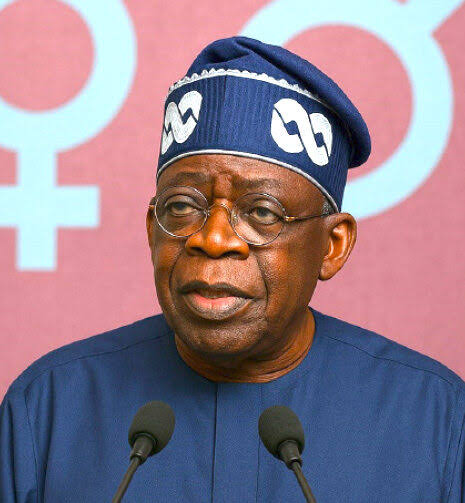
There comes a defining moment in the political evolution of a nation when an individual’s aspiration becomes a collective conviction, when a personal declaration evolves into a shared national determination. That moment is unfolding in Nigeria as the political conversation around President Bola Ahmed Tinubu’s re-election in 2027 gathers momentum.
From the memorable “Emi lo kan” declaration that preceded the 2023 presidential election to the emerging “Awa lo kan” sentiment ahead of 2027, one thing has become increasingly evident: the Tinubu political project has grown beyond the ambition of an individual to become a collective movement of Nigerians who believe that the country must consolidate its ongoing reforms, protect its hard-won gains and sustain its journey towards national prosperity.
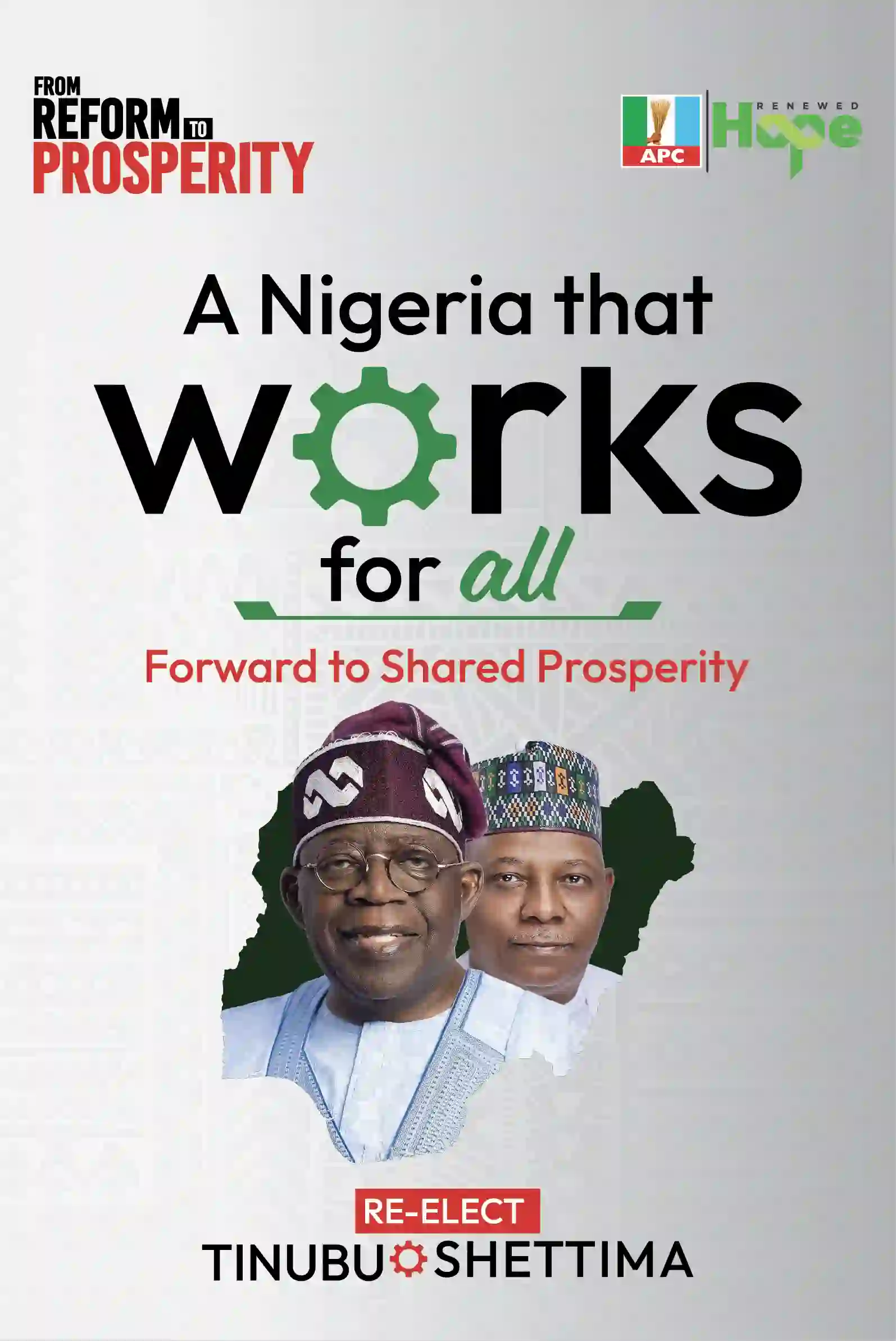
“Emi lo kan” was a bold assertion of political entitlement, a declaration of preparedness and a demand for the opportunity to serve at the highest level. It was ultimately validated by the democratic process and the overwhelming confidence reposed in Asiwaju Bola Ahmed Tinubu by Nigerians at the polls in 2023.
Today, “Awa lo kan” represents something even more profound. It is the growing recognition that the Renewed Hope journey is no longer about one man seeking another opportunity. It is about millions of Nigerians who have found reasons to believe that the sacrifices of the present must translate into the prosperity of the future.
It is about the trader who wants a more predictable business environment, the farmer who desires greater productivity, the young graduate looking for meaningful opportunities, the entrepreneur seeking access to affordable credit, the student benefiting from expanded educational financing and the working family yearning for a better quality of life.
It is about a nation that cannot afford the luxury of abandoning its reform trajectory halfway through the journey.
President Tinubu’s administration has demonstrated the courage to confront structural challenges that successive governments either postponed or approached with considerable hesitation. From the removal of the fuel subsidy and the unification of foreign exchange markets to ongoing investments in infrastructure, education, healthcare, agriculture and economic diversification, the administration has embarked on difficult but necessary interventions to reposition Nigeria.
We recognise that these reforms have come with sacrifices and that many Nigerians are still grappling with economic pressures. However, responsible leadership demands that we acknowledge both the difficulties of the present and the opportunities being created for the future. The answer to transitional difficulties cannot be a reckless return to the policies and practices that contributed to the problems we are collectively trying to overcome.
Beyond economics, the Tinubu administration has demonstrated an appreciable commitment to inclusivity and national representation. Its governing philosophy cuts across geopolitical zones, ethnic identities, religious affiliations, gender and social backgrounds. The administration’s appointments, policy interventions and development priorities reflect an understanding that Nigeria’s strength lies in its diversity and that national progress must be broad-based.
Equally significant is the ongoing effort to strengthen the nation’s security architecture. While security challenges remain in certain parts of the country, the interventions, operational improvements and renewed investments in security capabilities represent measurable steps in the right direction. The opposition’s determined efforts to dismiss every improvement or amplify every setback cannot erase the importance of the progress being made. National security is too serious an issue to be reduced to partisan propaganda.
The growing national conversation around “Awa lo kan” is therefore not an invitation to complacency. It is a call for collective ownership, shared responsibility and sustained commitment. It is an acknowledgement that the dividends of governance must be consolidated and expanded rather than sacrificed on the altar of political experimentation.
Interestingly, those who once presented themselves as credible alternatives are increasingly preoccupied with internal disagreements, ideological contradictions, leadership tussles and an almost endless struggle for political relevance. Their inability to present a coherent, credible and sustainable alternative to the Renewed Hope Agenda makes their promises of an imaginary national rescue increasingly unconvincing.
Nigerians deserve more than recycled political rhetoric, emotional grandstanding and opportunistic criticism. They deserve a clear understanding of what the opposition intends to do differently, how it intends to achieve it and why its proposed alternatives should be trusted over an administration already undertaking difficult but consequential reforms.
The 2027 presidential election will consequently be more than a contest between political parties and personalities. It will be a referendum on continuity versus uncertainty, consolidation versus disruption, and the courage to pursue necessary reforms versus the temptation to retreat into familiar but unsustainable comfort zones.
For the Lagos APC, the message is unmistakable: the Tinubu presidency has laid important foundations, and the responsibility before Nigerians is to ensure that these foundations translate into enduring national prosperity.
The transition from “Emi lo kan” to “Awa lo kan” captures this political evolution perfectly. What began as one man’s declaration has become a collective aspiration. What was once a personal ambition has evolved into a national conversation about continuity, opportunity and shared destiny.
In 2027, it is not simply about giving President Bola Ahmed Tinubu another term. It is about giving Nigeria the opportunity to complete the transformation that has begun.
It is about our collective future. It is about our shared prosperity. It is about our common destiny.
Awa lo kan! Nigeria’s turn to consolidate, progress and prosper!
Mogaji (Hon.) Seye Oladejo is
Lagos APC Spokesman.
