


By Oluwole Solanke PhD, FCIB
The Strength of Humility in Human Relationships and Institutional Leadership
Leadership is not measured by how loudly a person speaks, how many titles they possess, or how much power they command. True leadership is revealed in the ability to coexist peacefully with others without arrogance, intimidation, or pride. The greatest leaders in history were not necessarily those who stood above people, but those who stood among people with humility, wisdom, and compassion.
Pride builds walls; humility builds bridges. Pride isolates leaders from the people they are meant to serve, while humility draws people closer and creates an atmosphere of trust, peace, and cooperation.
As leadership expert John C. Maxwell once said:
“People do not care how much you know until they know how much you care.”
This timeless statement reminds us that leadership is fundamentally about people, relationships, and coexistence.
The Danger of Pride in Leadership
Pride is one of the silent destroyers of institutions, organizations, families, and nations. A proud leader often believes that he alone possesses wisdom, power, and authority. Such leaders resist correction, suppress opposing opinions, and create fear instead of inspiration.
A proud leader:
Finds it difficult to apologize.
Believes position is superior to character.
Sees subordinates as tools rather than partners.
Turns leadership into personal worship.
Unfortunately, history has shown that pride often goes before downfall.
The ancient proverb says:
“Pride goes before destruction, and a haughty spirit before a fall.”
Leaders who become intoxicated with authority eventually lose the loyalty of the people around them. Fear may sustain leadership temporarily, but only humility sustains leadership permanently.
Humility: The Foundation of Peaceful Coexistence
Humility does not mean weakness. It means strength under control. A humble leader listens before speaking, respects others regardless of status, and understands that leadership is stewardship, not ownership.
The truly humble leader recognizes that:
Every individual has value.
Nobody knows everything.
Success is a collective effort.
Respect must be earned, not demanded.
Nelson Mandela demonstrated this beautifully when he said:
“A good leader can engage in a debate frankly and thoroughly, knowing that at the end he and the other side must be closer.”
This is the spirit of coexistence, the ability to disagree without hatred, to lead without oppression, and to correct without humiliation.
Leadership Is Service, Not Superiority
One of the greatest misconceptions about leadership is the belief that leadership elevates a person above others. In reality, leadership increases responsibility, not superiority.
A leader who cannot relate peacefully with colleagues, subordinates, students, workers, or followers has already failed morally, regardless of achievements.
Mahatma Gandhi wisely declared:
“The best way to find yourself is to lose yourself in the service of others.”
Leadership without service becomes dictatorship. Leadership without humility becomes oppression. Leadership without coexistence becomes conflict.
Great leaders understand that every member of an institution contributes to its success:
The cleaner keeps the environment healthy.
The secretary keeps records organized.
The lecturer shapes minds.
The student gives purpose to the institution.
The security officer protects lives and property.
No role is insignificant.
The Power of Respectful Relationships
A peaceful institution or organization is not built merely by rules and regulations. It is built by mutual respect.
Leaders who coexist peacefully with others create environments where:
Creativity flourishes.
Team spirit grows.
People feel valued.
Loyalty becomes natural.
Arrogance may produce compliance, but humility produces commitment.
A wise leader greets people warmly, listens attentively, appreciates contributions, and treats everyone with dignity regardless of status, tribe, religion, or social class.
Mother Teresa once said:
“Kind words can be short and easy to speak, but their echoes are truly endless.”
Sometimes, the difference between a toxic institution and a thriving one is simply the attitude of leadership.
Coexistence Requires Emotional Intelligence
Leadership without emotional intelligence is dangerous. Leaders must understand human emotions, frustrations, and aspirations.
Not every disagreement is rebellion. Not every criticism is disrespect. Not every opposing opinion is disloyalty.
Wise leaders accommodate differences because diversity of opinion strengthens institutions.
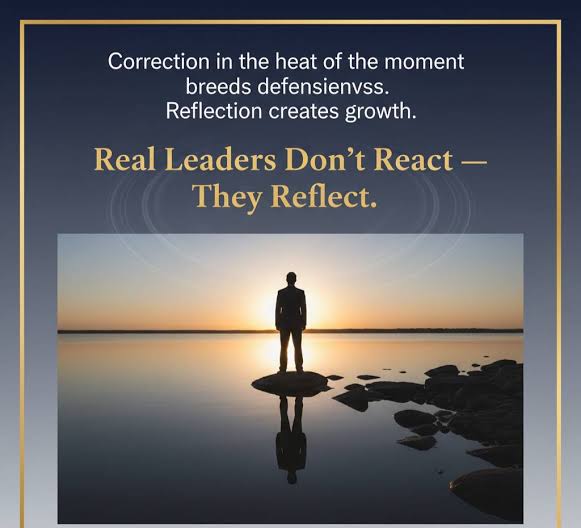
A mature leader does not humiliate people publicly just to prove authority. Instead, such a leader corrects with wisdom and preserves human dignity.
The Legacy of Humble Leadership
At the end of life and leadership, people rarely remember titles. They remember character.
Nobody remembers how many times a leader shouted. People remember:
How they were treated.
Whether they were respected.
Whether the leader carried people along.
Whether peace and unity existed under the leader.
Abraham Lincoln captured this truth when he said:
“Nearly all men can stand adversity, but if you want to test a man’s character, give him power.”
Power reveals character. Humility refines character.
Conclusion
Leadership and coexistence without pride remain essential for building sustainable institutions, peaceful communities, and productive relationships. The world today does not merely need powerful leaders; it needs humble leaders, leaders who can listen, forgive, unite, encourage, and serve humanity selflessly.
A humble leader loses nothing by respecting others. A leader who coexists peacefully loses no authority by being approachable. In fact, humility increases honour.
The strongest leaders are not those who dominate people, but those who inspire people.
Let every leader remember:
“Titles may make a person important temporarily, but humility makes a person unforgettable permanently.”
