



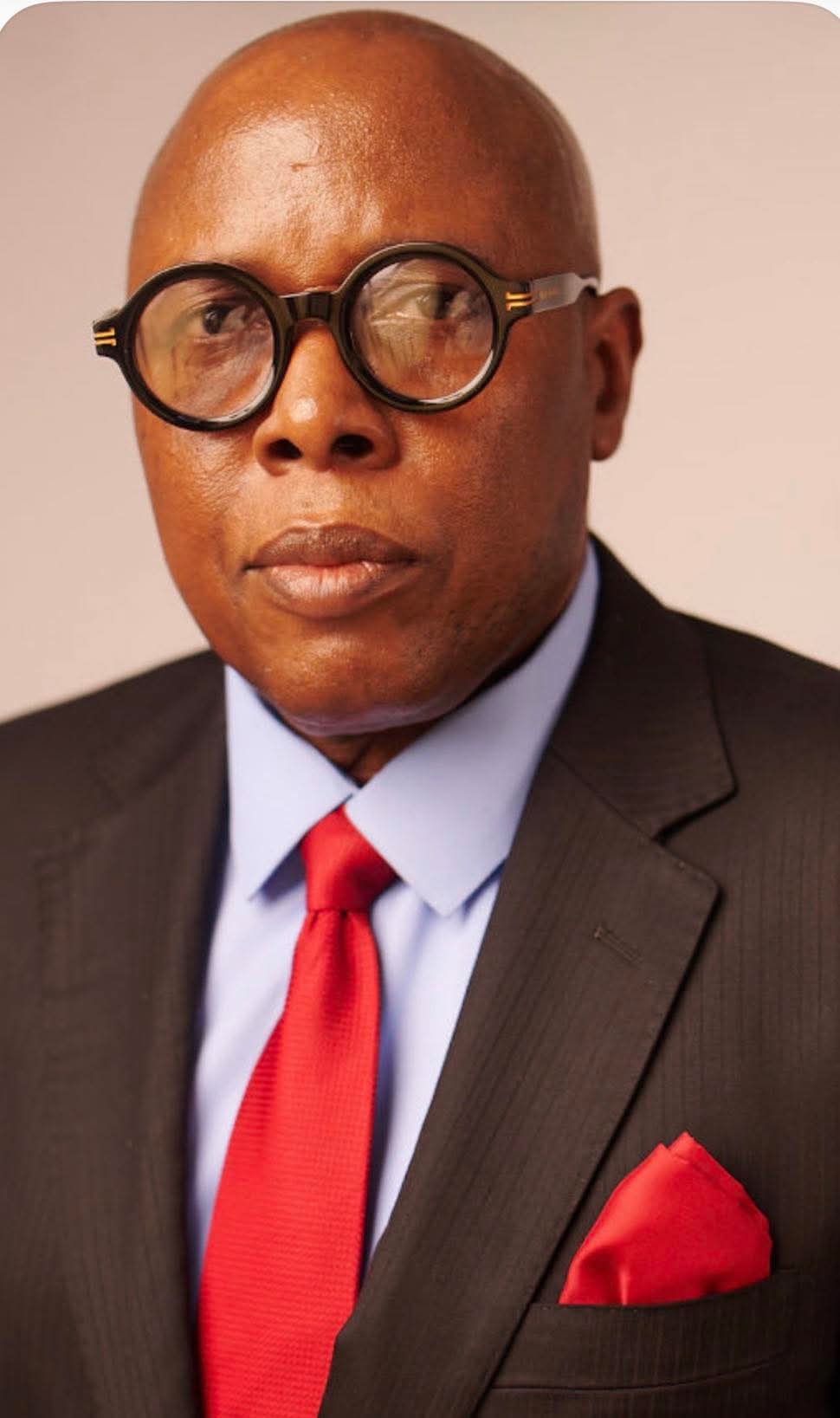
By Lanre Ogunyemi
I write as a stakeholder seeking peace, unity, stability and progress within the Lagos State Chapter of the All Progressives Congress.
The ongoing public expressions surrounding the internal dynamics of the Lagos chapter of the All Progressives Congress, particularly the tensions between Justice Forum and The Mandate Movement, present not only a political disagreement, but a very crucial, critical and defining moment for the future stability, cohesion, and electoral strength of the party in Lagos State.
The recent comments of Chief Mrs Folasade Tinubu-Ojo, the Iyaloja-General of Nigeria, in a now viral video about the Lagos APC divisive tendencies have once again brought to the surface long-standing concerns over power balance, inclusion, recognition, and influence among major political blocs within the party structure.
While disagreements and rival tendencies are natural within every vibrant political organization, there is danger when such divisions become public, emotional, and deeply personalized.
These divisions if not well managed begin to weaken collective identity and create avoidable fractures within the rank and file of the party.
As one who desires peace, continuity, and sustained political progress within the party, I posit that the situation must not be approached from the standpoint of blame, but from the higher responsibility of reconciliation and strategic preservation.
STEPS FOR PEACE,UNITY AND PROGRESS.
The events leading to and following the recent primaries have understandably generated feelings of dissatisfaction in certain quarters. Perceptions of dominance by one group over another, complaints of political marginalization, and allegations of unfair results and influence of powerful individuals and bloc is expected to naturally breed resentment and if not corrected and properly managed may have negative consequences.
History has shown that when internal competition begins to overshadow shared purpose, the entire political family suffers.
The experience of the 2023 presidential election in Lagos remains indelible and a clear lesson. For the first time in decades, the party lost the presidential election in its traditional stronghold. It took serious efforts to salvage the situation during the governorship poll.
While several external factors contributed to that outcome in 2023, internal discontent, silent protests, weakened mobilization, and lack of enthusiasm among certain stakeholders also played undeniable roles.
Political structures thrive not merely on supremacy, but on inclusion, mutual respect, consultation, and a sense of belonging among all tendencies.
Nothing must be taken for granted in any election no matter how strong we think we are or how weak the opposition is.
The incoming Governor and the state party leadership therefore have a historic responsibility to rebuild confidence across all divides. Victory in politics is most sustainable when every stakeholder sees themselves as partners in progress rather than victims of exclusion.
To strengthen unity and prevent future fragmentation, several urgent steps become necessary:
First, there should be deliberate reconciliation efforts involving respected elders and neutral party leaders who command credibility across the different blocs. Silence and avoidance will only deepen mistrust. Open dialogue, honest engagement, and sincere conflict resolution mechanisms are essential.
Second, the incoming governor should administer and lead with broad inclusiveness. Appointments, consultations, strategic engagements, and political opportunities must reflect balance and fairness. No group should feel completely sidelined or politically orphaned within the structure.
Third, party supremacy must never translate into factional supremacy. The party is bigger than any caucus, tendency, or political family. Justice Forum, The Mandate Movement, and all other support structures exist ultimately to strengthen the party, not weaken it or one another.
Fourth, younger party members and grassroots mobilizers must be protected from the currently existing toxic culture of division and hostility. The future strength of the party depends on preserving loyalty at the grassroots through unity of purpose and disciplined leadership communication.
Finally, influential stakeholders must be careful how they wield power and exercise restraint in public commentary, especially in emotionally charged moments. Public disputes among leaders often energize opposition forces, discourage undecided supporters, and diminish public confidence in party stability.
Lagos remains too politically important for internal divisions to be allowed to fester unchecked. The state has historically served as the ideological and organizational backbone of progressive politics in Nigeria. Preserving that legacy requires wisdom, sacrifice, maturity, and the understanding that enduring political strength comes from unity, not internal conquest.
At this critical moment, all stakeholders must rise above factional sentiments and recommit themselves to the greater ideals of stability, inclusion, progress, and collective victory. The lessons of the past should not be ignored, and the future should not be endangered by avoidable internal fractures.
Peace within the fold is not a sign of weakness. It will serve as the foundation for lasting political success.
Lanre Ogunyemi, former two-term member of the Lagos State House of Assembly and ex-Lagos State Secretary of the Alliance for Democracy (AD) and the All Progressives Congress (APC) writes from Lagos.
