


The Health of Mother Earth Foundation (HOMEF) has called for an independent investigation into the gas pipeline explosion in Aleto, Eleme Local Government Area of Rivers State, demanding accountability for any negligence, compensation for victims and the decommissioning of pipelines found unsafe for continued operation.
The environmental rights organisation said the October 15 explosion, involving a facility operated by Nigeria Gas Infrastructure Company Limited (NGIC), a subsidiary of NNPC Limited, had damaged homes, shops and vehicles, injured residents and disrupted livelihoods in a community already exposed to extensive oil and gas infrastructure.
HOMEF’s demand followed a visit to the affected community on October 16, during which it documented accounts that a suspected gas leak had been reported along the same pipeline corridor before the explosion.
The allegation raises questions about the response to the reported warning, the condition of the pipeline and the adequacy of safety measures protecting residents living alongside critical petroleum infrastructure.

Comrade Woke John Ebie, Youth President of Aleto and Secretary of the Eleme Youth Council Worldwide, told HOMEF that a previous leak had occurred approximately two months earlier, about 200 metres from the site of the latest explosion.
He also alleged that the suspected leak immediately preceding the explosion had been reported to NGIC, whose representatives visited the location and erected a barricade.
“A suspected leak happened about two weeks before this explosion; we reported it to the Nigerian Gas Infrastructure Company (NGIC), a subsidiary of NNPC Limited. The company representatives visited the location and erected a barricade, but the explosion occurred the following day,” he said.
The account raises questions about what action was taken after the reported leak and whether the pipeline was adequately assessed before the incident. The circumstances and cause of the explosion, however, would need to be established through an independent technical investigation.
Chairman of Eleme Local Government Area, Barrister Obarilomate Ollor, called for a comprehensive assessment of the pipeline network, warning against restricting remedial work to the visibly damaged section.
Ollor expressed concern that the pipeline could be at least 50 years old and argued that infrastructure of such age required urgent scrutiny to determine whether it remained safe for operation.
He called on the Federal Government to direct the relevant gas infrastructure authorities to assess the damage, establish the cause of the explosion, attend to victims and provide relief materials.
He also demanded a comprehensive review of the pipeline network, including the replacement of ageing infrastructure where necessary.
The explosion has left residents counting their losses, with some reporting damage to their businesses and personal belongings as they fled the affected area.
Fasilatula Waakikeloma, who said she was inside her shop when the explosion occurred, appealed to the authorities to intervene.

“The government should do something. This thing is terrible. I have never seen this kind of thing in my life,” she said.
Another victim, Esther Victor Bright, said she lost goods and a point-of-sale device-related bag containing approximately N100,000 while escaping the explosion.
“I lost a POS bag containing approximately ₦100,000 while fleeing the explosion. We are struggling here, financially, and even just to breathe. This explosion is already destroying livelihoods and pushing our households into financial distress,” she said.
For the Paramount Ruler of Aleto and King of Eleme, His Royal Majesty, King Dr Philip Osaro Obele, the incident underscores the risks borne by a community that hosts critical facilities serving Nigeria’s energy and industrial economy.
Obele listed two refineries, two fertiliser companies, a petrochemical plant, Onne deep-sea and light terminals, Shell flow stations and the NNPC Housing Estate among the major facilities in and around the area.
“Eleme is the heart and hub of Nigeria’s economy. We have two refineries, two fertiliser companies, a petrochemical plant, Onne Deep Sea and Light Terminals, Shell flow stations, and the largest NNPC Housing Estate in the East. Pipelines criss-cross our land to serve the nation,” he said.
He lamented what he described as the disproportionate environmental and safety burden borne by the host community despite the economic importance of its facilities.
“We are the golden bird that lays the golden eggs, but after taking our resources, they kill us with pollution and explosions,” the traditional ruler said.
Obele also raised concerns about acid rain, damaged roofing sheets, unsafe drinking water, declining soil fertility and reported health problems, calling for urgent government intervention.
He supported a declaration of a state of emergency covering the entire Eleme Local Government Area, rather than Aleto alone, and urged the Federal Government and the relevant gas infrastructure authorities to address recurring leaks and protect lives and property.
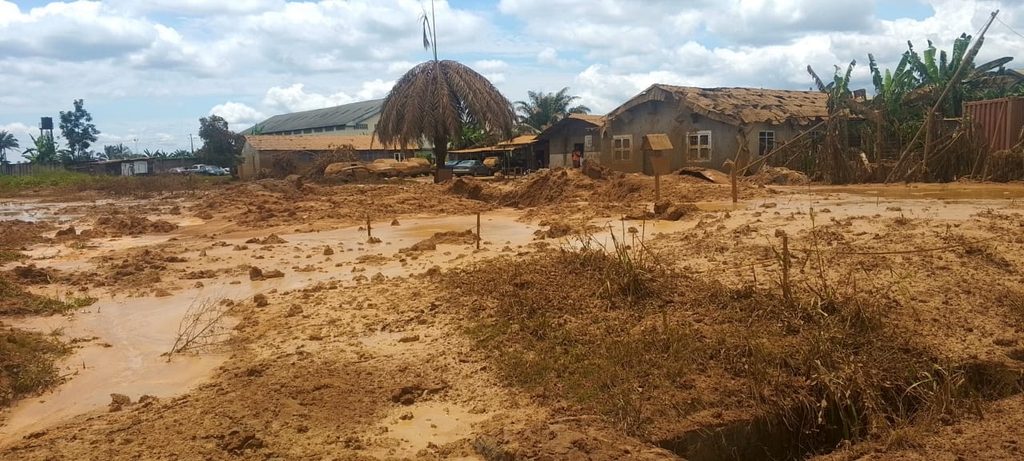
HOMEF said the incident must not be treated merely as a case of repairing damaged infrastructure, arguing that it highlighted the wider risks facing communities situated along ageing oil and gas pipeline networks.
The organisation maintained that the pipeline’s installation date, maintenance history and structural integrity must be established, insisting that any infrastructure found unfit for continued operation should be decommissioned or removed.
It warned that repeated repairs without a comprehensive assessment could leave residents exposed to further danger, adding that responsibility for preventing industrial disasters rested with operators and the regulatory institutions mandated to enforce safety standards.
HOMEF called on the Federal Government to direct NGIC, NNPC Limited and the relevant regulators to conduct an independent investigation, publish their findings and establish the technical cause of the explosion, including whether any operational or emergency-response failures occurred.
It also demanded a wider integrity assessment of the affected pipeline corridor before operations resume, as well as appropriate sanctions where negligence or breaches of applicable obligations are established.
The organisation further urged the authorities to provide medical assistance to injured residents and fair compensation to people whose homes, businesses and livelihoods were damaged.
It called for community participation in safety assessments, environmental monitoring and decisions affecting residents, stressing that people living alongside extractive infrastructure should not be treated as expendable.
For Aleto and the wider Eleme community, the immediate demands are clear: establish what caused the explosion, determine whether the reported warning was adequately addressed, provide relief to victims and ensure that unsafe infrastructure does not remain a threat to lives and property.
