


By Olumide Bajulaiye
At a time when Nigeria continues to confront terrorism, kidnapping, and organized crime, calls for the disbandment of the Department of State Services (DSS) are not only misplaced but dangerously dismissive of the agency’s recent achievements.
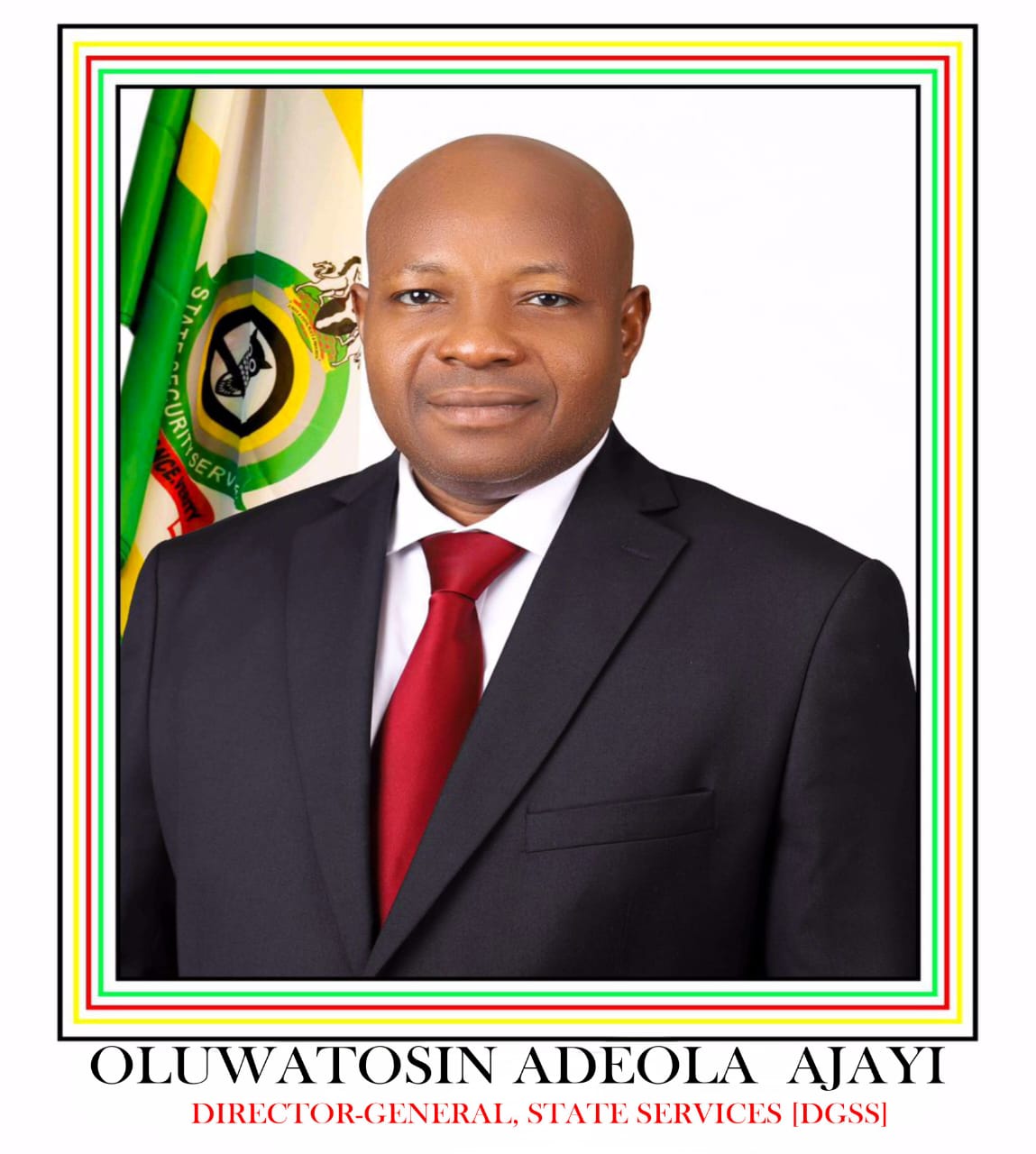
Under the leadership of Oluwatosin Ajayi, the DSS has demonstrated renewed operational focus and intelligence capability in confronting some of the country’s most pressing security threats. Rather than dismantling the agency, the conversation should focus on strengthening and supporting the institution that quietly works behind the scenes to protect Nigerians.
Across the North-East, North-West, and the Middle Belt, the DSS has intensified intelligence-driven operations that have disrupted terror cells and prevented numerous kidnapping plots. These are not abstract claims; they are measurable results that have directly contributed to saving lives and stabilizing communities.
One of the most significant achievements has been the successful prosecution and conviction of key terrorist figures linked to groups such as Ansaru and commanders associated with Islamic State West Africa Province (ISWAP). Convictions of this magnitude signal not only effective intelligence gathering but also coordination with the justice system to ensure that perpetrators face the full weight of the law.
In some cases, even women acting as logistical coordinators for terror networks were apprehended, demonstrating the depth of the agency’s intelligence penetration.
Perhaps one of the most striking operations occurred in Asaba, where DSS operatives intercepted a major arms smuggling network. The operation led to the recovery of more than 50 AK-47 rifles, rocket-propelled grenades (RPGs), grenades, and over 3,000 rounds of ammunition—an arsenal that could have fueled devastating attacks across the country.
The agency’s efforts have also translated into lifesaving rescue missions. In Kaduna State, coordinated DSS operations resulted in the rescue of 79 kidnapped victims. Similar rescue missions have taken place in Niger State, Kebbi State, and Katsina State, returning victims to their families and disrupting the financial networks that sustain kidnapping gangs.
Importantly, these are only the operations that reach the public domain. Intelligence agencies worldwide operate largely in secrecy, meaning many successful interventions remain undisclosed to protect ongoing investigations and operational methods.
This reality makes sweeping criticisms of the DSS particularly unfair. Security agencies should indeed be held accountable, but such scrutiny must be balanced with recognition of genuine accomplishments. Dismissing the agency outright ignores the complex and often dangerous work carried out daily by its officers.
Nigeria’s security challenges require strong institutions, professional leadership, and sustained intelligence operations. Under Ajayi’s leadership, the DSS appears to be repositioning itself toward that goal.
Rather than calling for its disbandment, Nigerians should demand continued reforms, improved oversight, and greater resources to ensure the DSS remains effective in safeguarding national security.
In the fight against terrorism and organized crime, weakening one of the country’s primary intelligence institutions would only serve the enemies of the state—not the Nigerian people.
Olumide Bajulaiye is the Publisher, Daily Dispatch Newspaper, also a media consultant
