



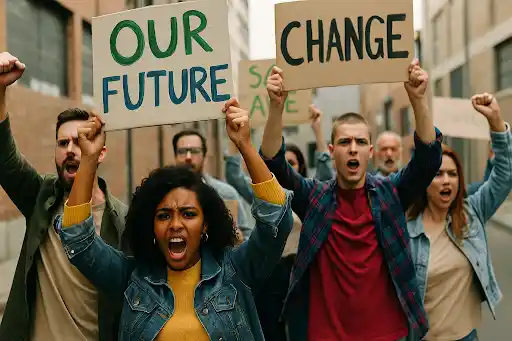
Cities are evolving rapidly. They regularly deal with challenges that create conflicting priorities. Urban theorist David Harvey warned that this competition can cloud decision-making. It can also leave out “the man”—the everyday citizen—who should have a real say in shaping city life. Sociologist Manuel Castells says urban activism should help fix social unfairness in big cities. Platforms like 22Bet reflect how digital engagement is evolving. At the same time, urban activism allows people to shape their environment.
Urban or civic activism lets people shape their cities. It influences how people build, manage, and experience cities. It allows citizens to shape their environment. They can advocate for their needs in ways that top-down policies often overlook. Grassroots efforts are close to local needs. They provide unique solutions that big government plans usually fail to see. Activism takes many forms. It can be self-organized events that shine a light on ignored issues. Citizens might fund projects that improve local areas. Educational efforts also help people learn about urban rights and responsibilities. Protests are a key tool for demanding accountability. They push back against policies that don’t match the people’s needs or desires. Urban activism inspires residents to take action. It helps them become active in creating the future of their cities.

Examples of Urban Activism in Action
In Munich, Germany, two architecture students devised a solution to improve public space. A spot closed for renovations became popular for people to gather and soak up the sun. Two students, Maria Schlüter and Nick Förster, developed both a project and a proposal. They aimed to find sponsors for a new idea for the public space in front of the closed building. For several months, these students teamed up with others to refresh this public space. They built custom benches to invite people to come together and soak up the sun, like they used to. Three architecture students from Bratislava, Slovakia, took on a project. They focused on revitalizing a public space that was in bad shape. Areas that were once ignored now draw attention for public recreation. Lucia Adameková, Viktor Kasala, and Ján Urban are three university students. They started an initiative named “Krásy Terás,” which means terrace beauties. They aim to improve public terrace spaces. They want to make these areas enjoyable and bring residents together.
Urban activism can raise awareness in many different ways. The ‘Urban.kg’ project kicked off in Bishkek, Kyrgyzstan. It aims to educate citizens about city issues and boost people’s involvement. Many artists worldwide voice their opinions on the streets with their art. Many initiatives gather and show data across the city for better city planning. One notable example is Safetipin, which aims to enhance women’s safety.
How Urban Activism Influences City Planning
To enhance city planning, many initiatives gather and visualize data. A notable one is Safetipin, which promotes women’s safety in the city. Many scholars say citizen engagement is key to improving cities and urban planning. Urban activism lets people share their views through direct action. It also offers education in urban studies. All over the world, urban activism shows up in many forms. These actions help improve urban spaces and support regeneration, where authorities often struggle. It can also be a voice for those who are “unseen,” “unheard,” or left out. These are the elderly and disabled. Since today’s world is so fast-paced, we must focus on the needs of all generations. This practice enables cities usually below the radar to receive the needed help.
Urban activism is not only about protesting but also about proposing. Citizen-led projects such as street art and community gardens challenge city planners. They compel planners to rethink the use of space and challenge for whom space is being used. Data-driven mapping and temporary parks are also part of this change.
These initiatives often focus on needs that are missed.
- Inclusive public spaces
- women’s safety
- accessibility for people with disabilities
- environmental sustainability
Platforms like 22Bet highlight changes in how we interact online. People now want more control and speed in all areas of life, especially in urban spaces. As cities grow, so must the voices of those who live in them.
Conclusion
Urban activism is reshaping the future of cities from the ground up. It helps people move from being bystanders to becoming active changemakers. This shift redefines who has a say in decisions and makes those choices more inclusive. Urban activists worldwide are not asking for better cities. They are using creativity, data, and teamwork to build them. We must listen to and include these voices as urban challenges grow more complex. It’s not important; it’s essential.
