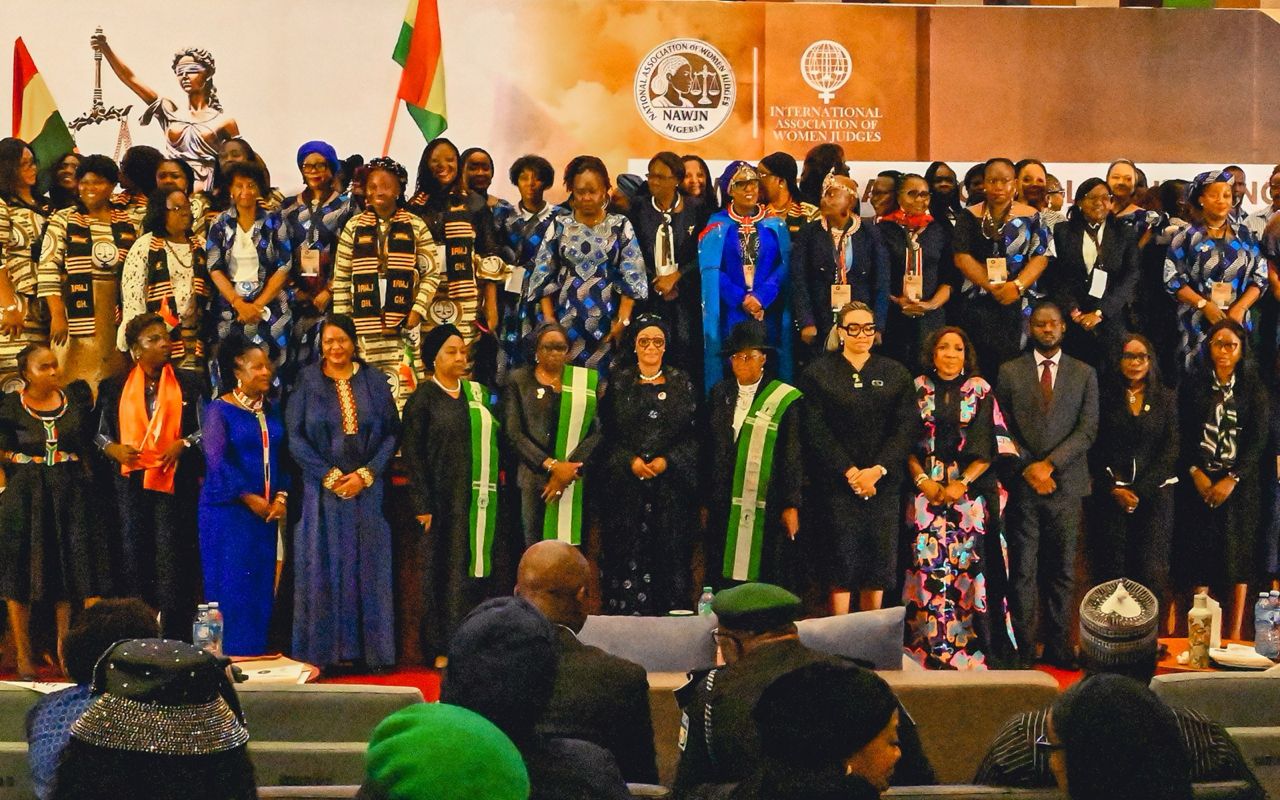
The First Lady of Nigeria, Senator Oluremi Tinubu has said that the judiciary remains central to sustaining the Rule of Law in a democratic society.

The First Lady spoke at the opening ceremony of the International Association of Women Judges African Regional Conference in Abuja on Tuesday, 9 June, 2026.
Senator Tinubu pointed out that the sector serves as the institution where justice and fairness are upheld and the rights of citizens protected.
She emphasized that the presence of women on the Bench adds value to the judicial system.
“The presence of women on the Bench adds value to the judicial system by broadening perspectives and deepening understanding in the dispensation of justice.

“Across Africa, women judges have broken through long-standing barriers and by their resilience and excellence, paved the way for future generations of women in the legal profession.
“I understand the challenges women face while aspiring for leadership positions, this is why I remain committed to initiatives that promote equitable access to opportunities for women and girls and strengthen our democracy,” she said.
Senator Oluremi Tinubu commended the Association of Women Judges for its sustained commitment to promoting judicial excellence, gender equity and access to justice which she describes as an inspiration to the legal community and the larger society.
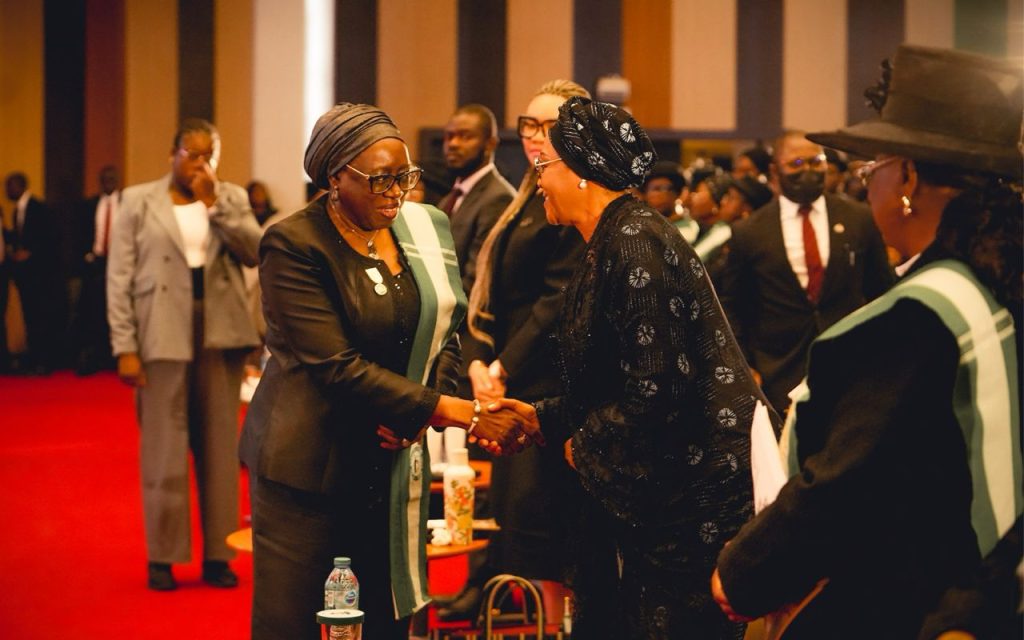
In her speech at the event, the Chief Justice of Nigeria, Hon Justice Kudirat Kekere-Ekun explained that the administration of justice is not an abstract ideal existing in isolation but serves as a foundational cornerstone of societal and institutional stability, transcending the mere operational functions of courts and their procedural workflows.
The Chief Justice of Nigeria pointed out that the judiciary not only guarantees good governance but also shapes the equity and equality of existing systems.
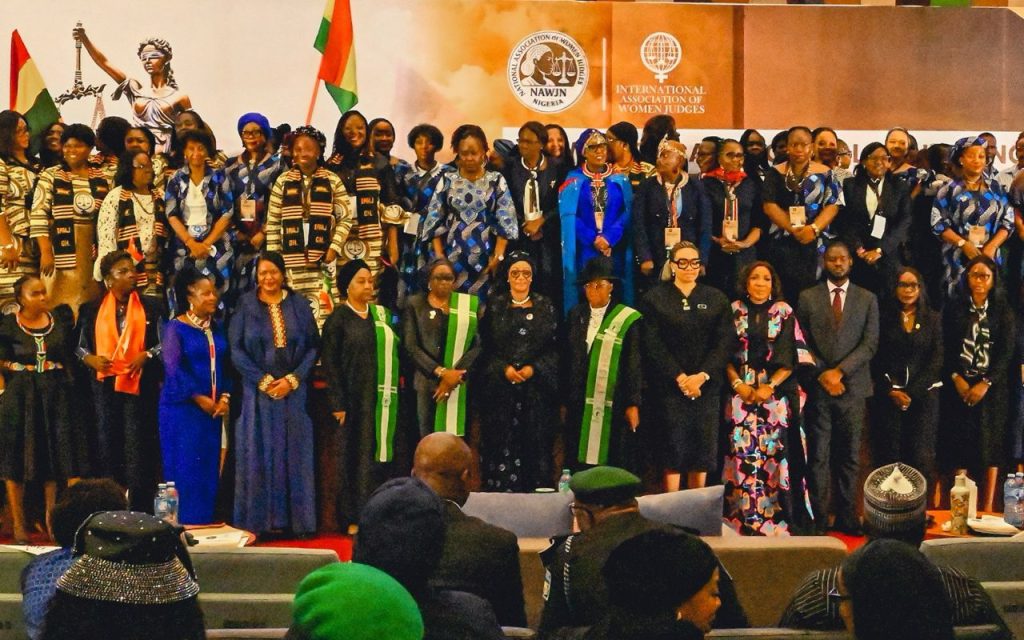
“The Judiciary occupies a unique position within democratic governance. Unlike the Executive, it commands no army. Unlike the Legislature, it controls no public purse. Yet its authority derives from something far more enduring and that is the confidence of the people in its impartiality, integrity and fidelity to the law. It is therefore incumbent upon all Judicial officers to ensure that every action, every decision, and every interaction strengthens rather than diminishes that confidence. Consequently, fostering excellence within the judicial framework demands efficiency, transparency, accountability, accessibility, and unwavering commitment to ethical standards,” the CJN said.
Justice Kudirat Kekere-Ekun was of the opinion that while digital transformation offers unprecedented opportunities for efficiency, it must never eclipse the human dimension of justice.
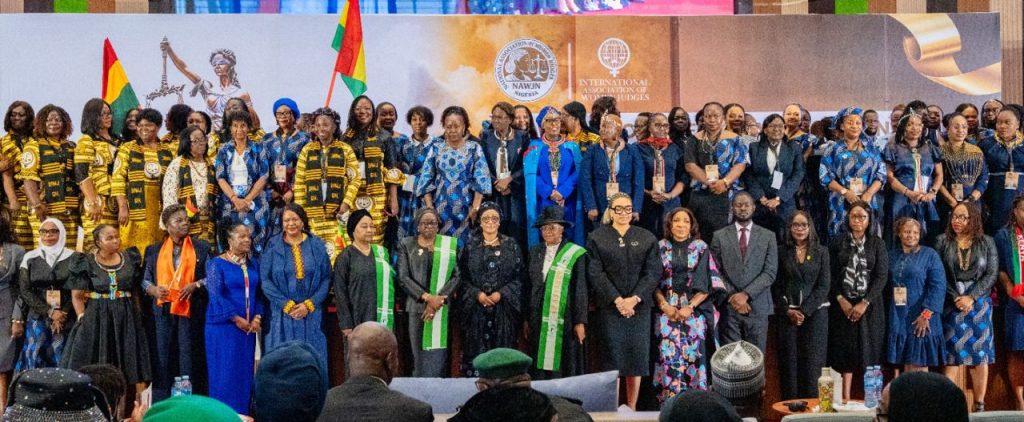
“Behind every case file is a human story; behind every legal dispute are individuals, families, communities, and institutions whose lives may be profoundly affected by judicial decisions. Technology may assist judicial processes, but that lie at the heart of judicial decision-making,” she said.
There were remarks by representative of the Chief Justice of Kenya, the President of the Court of Appeal of Nigeria and other participants.
The International Association of Women Judges African Regional Conference with the theme, Promoting Excellence in the Administration of Justice was attended by delegates from many African countries.