



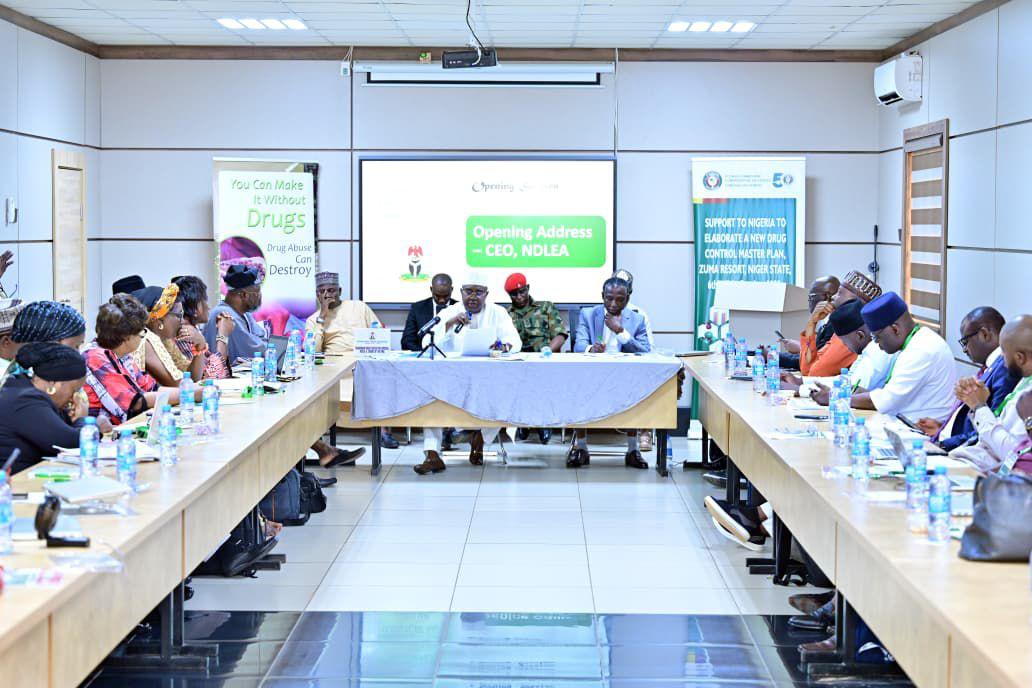
The Chairman/Chief Executive Officer of the National Drug Law Enforcement Agency (NDLEA), Brig. Gen. Buba Marwa (rtd) has charged all stakeholders involved in the ongoing development of the next National Drug Control Master Plan (NDCMP 2026-2030) to ensure that the strategy document addresses new and emerging threats that sustain the illicit drug trade in Nigeria.
Marwa gave the advice on Monday, 6 October, 2025, in Niger state in his opening remarks at a five-day workshop to develop the fifth National Drug Control Master Plan for the country. The residential retreat is funded by the ECOWAS Commission and supported by the United Nations Office on Drugs and Crime (UNODC).
According to him, “The task before us over the next few days is both strategic and historic. The drug problem continues to evolve, and so must our response. The NDCMP 2026–2030 must be visionary yet practical; comprehensive yet targeted; and nationally owned yet regionally and globally aligned. It must build on the achievements of the past while boldly addressing new and emerging threats, from synthetic drugs to dark-web trafficking, from poly-substance use to the illicit financial flows that sustain the drug trade.”
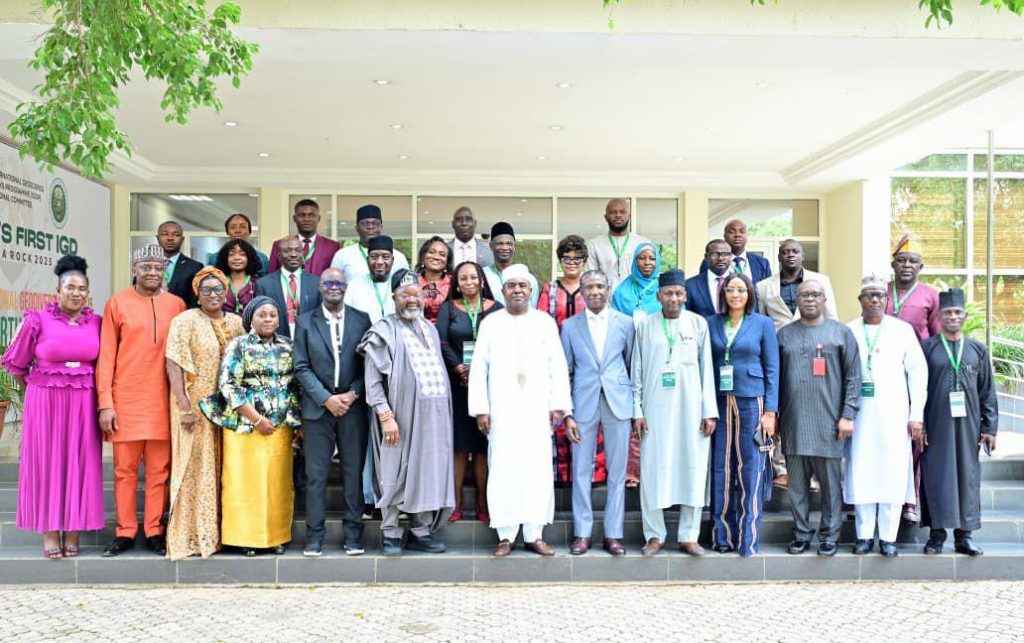
He reminded all the stakeholders that the workshop offers the rare opportunity to deliberate, analyse and agree on strategic priorities that will shape the trajectory of Nigeria’s response for the next five years. “It is here that we will identify what has worked, acknowledge the gaps, and design innovative pathways for the future.”
He urged all participants to bring to bear their expertise, experience and commitment, adding that the workshop is not just about producing another document but about charting a collective vision to safeguard the health, security and wellbeing of Nigerians.
Marwa reaffirmed the agency’s readiness to provide leadership, coordination and technical support to ensure that the new Master Plan is not only developed but also effectively implemented. He said: “I also pledge that we will continue to strengthen collaboration with our partners, both within Nigeria and across the ECOWAS sub-region, for we know that the drug challenge recognises no borders.”
He thanked ECOWAS Commission “for sponsoring this workshop, and all our partners — the European Union, UNODC, civil society organisations, professional bodies and the private sector — for their continued collaboration. Together, we are shaping a future where Nigeria and West Africa will be safer, healthier and more secure.”
Speaking at the workshop, UNODC Country Representative, Cheikh Ousmane who was represented by Dr. Akanidomo Ibanga commended Nigeria’s drug control efforts so far. “Yet, we are all aware that the drug situation continues to evolve. Global and regional dynamics — whether related to new psychoactive substances, organized crime networks, or the impact of conflict and economic pressures — all shape local realities. Our response must therefore be adaptive, coordinated, and inclusive. The Master Plan is the instrument through which this can happen.
“This workshop offers a unique opportunity to review the draft chapters, harmonize perspectives, and ensure that the priorities identified reflect both national realities and international standards, including those enshrined in the three international drug control conventions, the 2030 Agenda for Sustainable Development, and the African Union Plan of Action on Drug Control”, he stated.
While commending the leadership of the National Drug Law Enforcement Agency (NDLEA) and the Federal Ministry of Health, as well as all members of the inter-agency working groups, for the dedication and expertise they bring to the process, he said that their work will serve as a compass for coordinated action over the coming years.
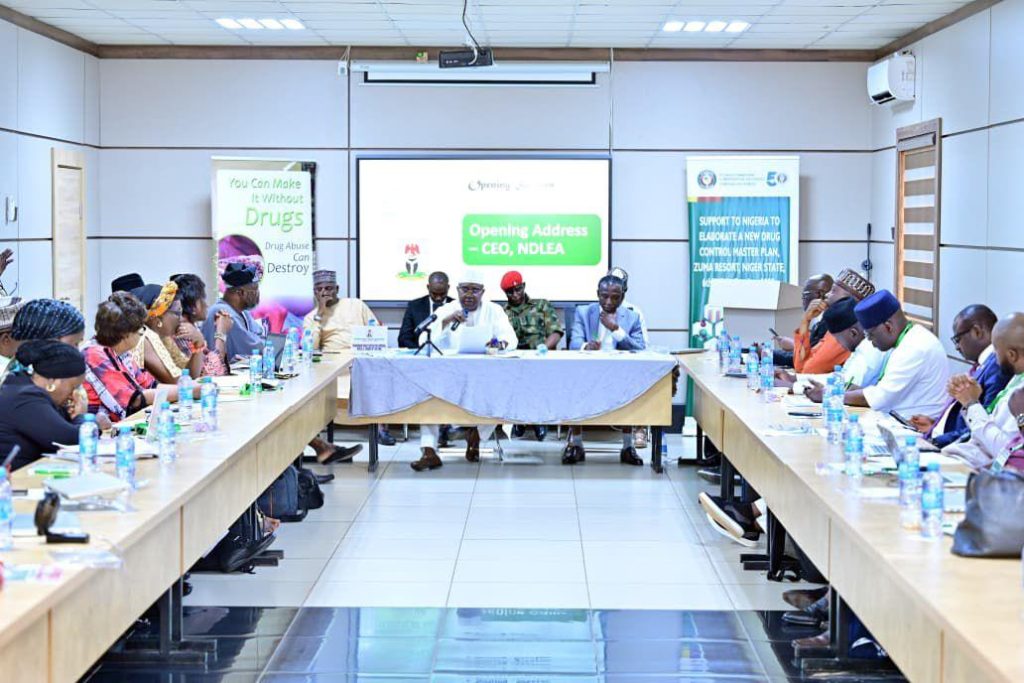
Also speaking during the opening ceremony of the workshop, ECOWAS Commission Commissioner for Human Development and Social Affairs, Prof Fatou Sow Sarr represented by Dr. Daniel Amankwaah noted that Nigeria, as a key stakeholder in regional drug control efforts, has taken proactive steps to develop national strategies aligned with international best practices.
“The Nigeria’s current National Drug Control Master Plan (NDCMP) will expire this year and a new plan needs to be developed to address the emerging drug threats, trafficking patterns, and the increasing burden of substance use disorders. The new NDCMP will effectively respond to current and future drug-related challenges.
“The ECOWAS Commission, in line with its mandate to support Member States in addressing drug-related issues, is providing technical and financial assistance to Nigeria in the elaboration of the new NDCMP. This initiative aligns with the objectives of the ECOWAS Drug Prevention and Control Programme and the broader regional efforts to strengthen drug demand and supply reduction mechanisms.
“This support is a strategic step toward strengthening Nigeria’s drug control framework and aligning it with regional and international best practices. The ECOWAS Commission remains committed to supporting Nigeria in this effort, ensuring that the new National Drug Control Master Plan is robust, evidence-based, and effectively addresses the country’s drug-related challenges”, the ECOWAS Commission chief assured.
Other stakeholders who spoke at the ceremony include representatives of the Federal Ministries of Education, Health, Agriculture, Budget and Planning as well as NACA, NAFDAC, EFCC, and NFIU.
