


By Daniel Oluwatobiloba Popoola
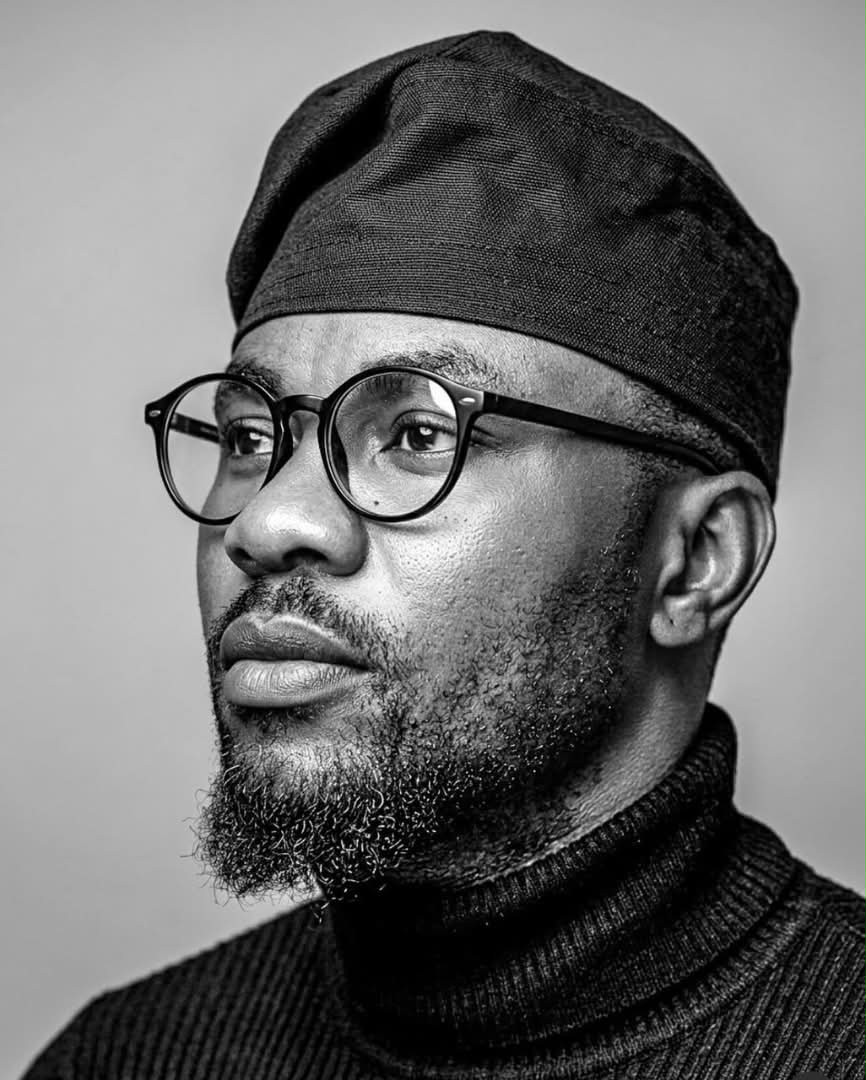
A Master of Ceremonies, MC Ambassador, whose real name is Adefemi Ademulegun, is using The CAP Festival — Ojude Fìlà, an annual December cultural gathering, to celebrate African heritage and encourage young people to take a more active interest in their cultural identity.
The next edition will hold on Sunday, 27 December, 2026, at DT Homes Luxury Apartment, Ibadan, the historic city popularly known as the Brown Roof City. Ademulegun, an indigene of Ondo State who is known for handling premium events, has built the festival over the past three years.
His concern, according to the organisers, is not that young people are embracing other cultures, since a generation of young Africans now has unprecedented access to music, fashion, entertainment and lifestyles from across the globe.
It is that, in doing so, they may gradually lose touch with their own. That concern has shaped his work beyond the microphone.
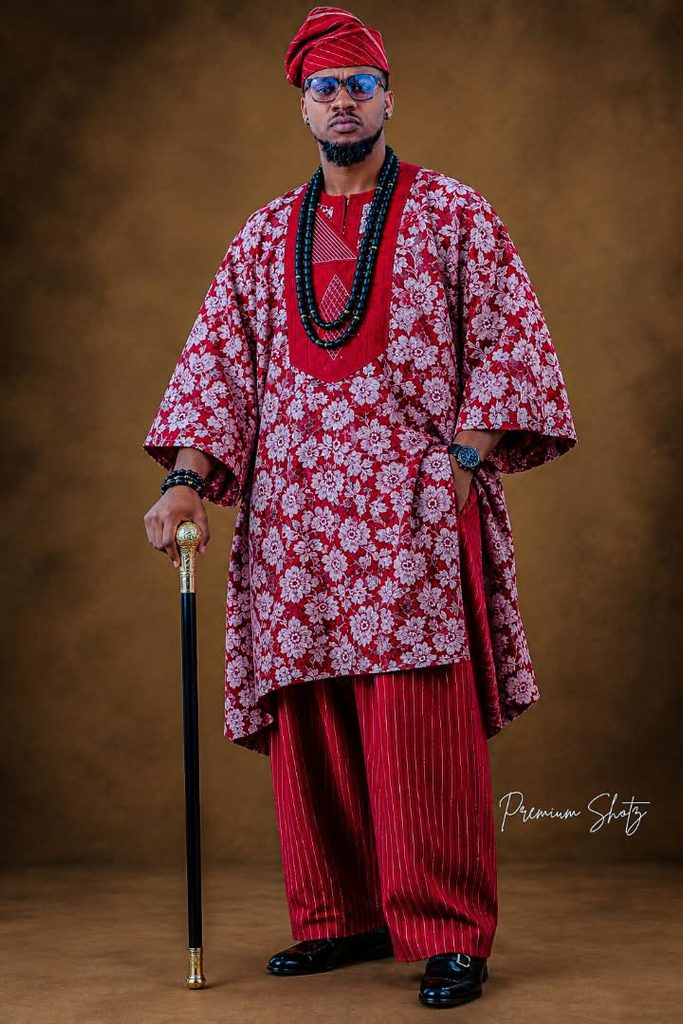
At the centre of the festival is the fìlà, the traditional Yoruba cap. Within Yoruba culture, traditional dress can carry meanings connected to identity, occasion, heritage and social expression, which makes the cap, in his view, an effective starting point for a broader conversation.
The idea behind Ojude Fìlà is therefore not merely to encourage people to wear traditional caps, but to help them understand and appreciate what those symbols represent.
He believes deliberate cultural engagement is particularly important because cultural identity can disappear gradually in a rapidly changing society.
Indigenous languages may be spoken less often, traditional songs and stories may become unfamiliar to younger generations, and native fashion and customs may increasingly be reserved for ceremonial occasions.
In his view, the question is not whether young Nigerians should engage with the wider world, as they inevitably will, but whether they can do so while staying connected to where they come from.
For that reason, the festival treats young people as more than future custodians of culture. He regards them as already part of its survival, since what they learn, practise and celebrate today will influence what remains available to the next generation.
The festival therefore seeks to present culture as something to be experienced rather than simply explained. Through celebration, fashion, entertainment and social interaction, it creates a contemporary setting in which traditional identity can remain relevant to younger audiences. Its underlying message is that being modern does not require abandoning one’s heritage.

A designer can draw on traditional aesthetics, a musician can combine contemporary sounds with indigenous language, a filmmaker can tell African stories using modern techniques, and a young entrepreneur can operate globally while remaining culturally grounded. Culture, in this sense, can evolve alongside modernity rather than compete with it.
Over the past three years, he has continued to develop the festival as a platform for this conversation, reflecting his belief that cultural preservation requires participation and not just nostalgia.
He holds that the responsibility is collective. Parents can pass down stories and languages, schools and cultural institutions can educate, creatives can reinterpret traditions for contemporary audiences, and the media can document and amplify those stories. Young people, in turn, must be willing to receive the inheritance and carry it forward.
The organisers said Ibadan is an appropriate setting because it is one of the major historic cities of southwestern Nigeria and a meeting point between heritage and modern urban life.
Its identity, they said, has been shaped by generations, even as its younger population embraces contemporary culture. December, they added, is a period of homecoming, family gatherings, social events and celebrations, and the festival offers another reason to gather, with cultural expression at its centre.
For Ademulegun, the occasion is an opportunity to combine the energy of a December event with a message that extends beyond the day itself.
His career as a Master of Ceremonies has given him an understanding of audiences, atmosphere and the power of a well-produced event, and the festival shows how those skills can also be used to raise awareness of identity and heritage.
Rather than presenting culture as distant or as the preserve of older generations, the festival brings it into a contemporary social setting where young people can take part naturally.
This approach matters for preservation, he believes, because traditions survive when people continue to use them, interpret them and give them meaning in their own time.
Every generation, he holds, inherits more than material possessions: it inherits language, stories, names, music, customs, values and symbols. The challenge is deciding what will be preserved, what will evolve and what might eventually disappear.
The CAP Festival, as he sees it, is his contribution to that conversation. It does not call on young people to reject the wider world, but encourages them to engage with it without losing their sense of origin.
That, according to the organisers, is the deeper meaning of the fìlà. It is worn on the head, but the idea it represents speaks to identity, belonging and the responsibility of carrying something forward.
As Ibadan prepares for the festival on December 27, 2026, the message beyond the gathering is that a culture remains alive when a new generation chooses to know it, celebrate it and carry it forward.
