


By Ann Eyi-ojotule James
Every single day, more than 300 million women and girls around the world are menstruating. Yet, for something so natural and vital to human reproduction, menstruation remains cloaked in shame, silence, and stigma, particularly in many parts of the world where girls are taught to hide, suppress, or be embarrassed by their monthly flow.
This narrative needs to change. And we must start by calling it what it is: a human rights issue.
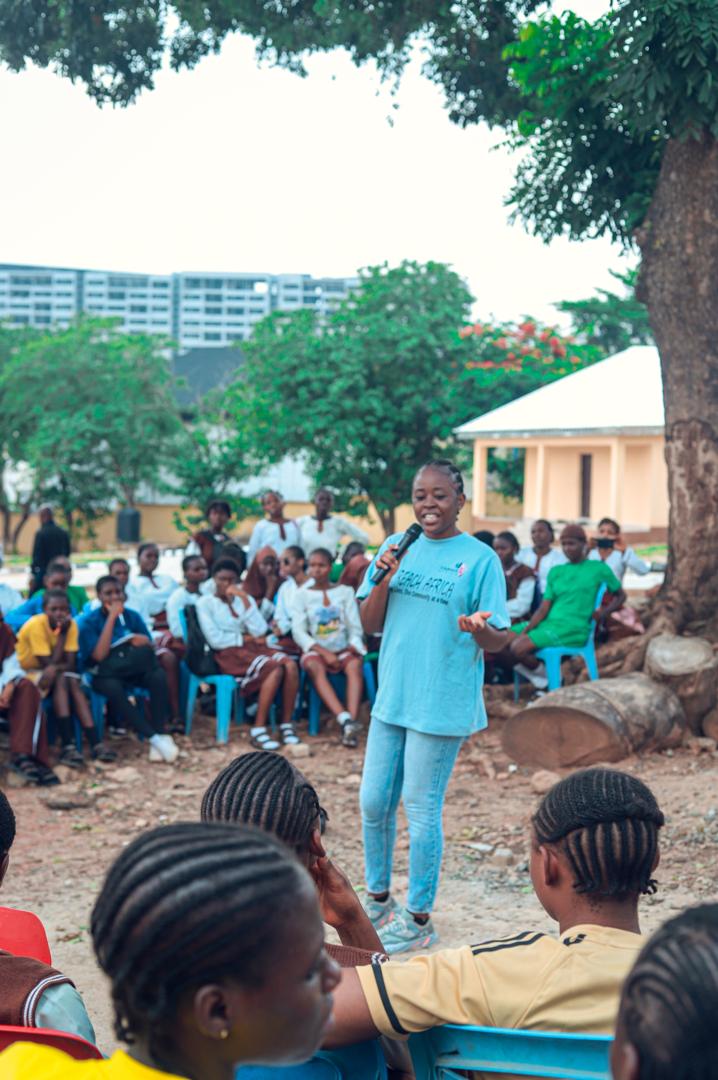
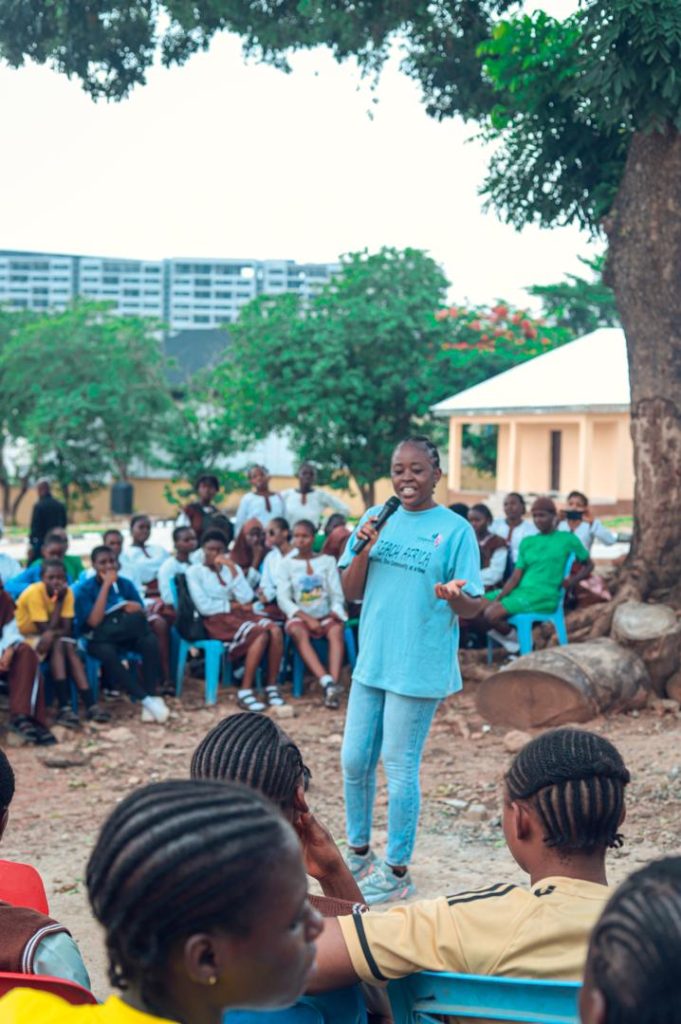
On May 28, 2025, in commemoration of Menstrual Health Day, I visited Government Girls Secondary School Wuse, Abuja Nigeria to speak with young girls about menstruation. The stories I heard were heartbreaking and far too common. One girl, looking both nervous and vulnerable, told me she felt ashamed and embarrassed whenever she was on her period. This should never be the case. I looked her in the eyes and said, “Your menstruation is not a curse. It is a sign of your strength and health as a woman. Hold your head high, you have nothing to be ashamed of.”
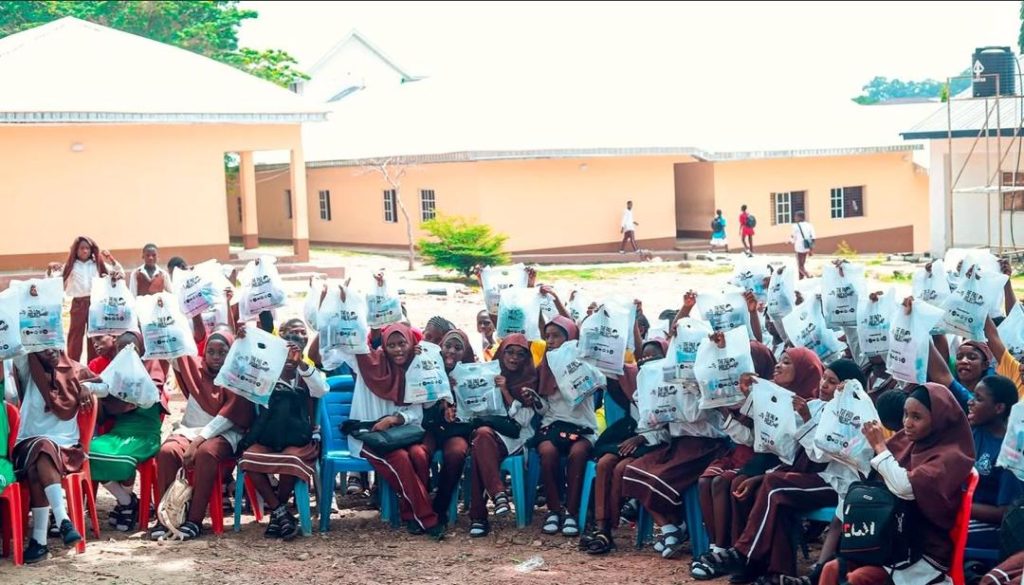
That single moment reminded me why this advocacy matters. For far too long, society has painted menstruation to be painted as dirty, sinful, or shameful. It has held girls back from school, from sports, from social life, and, most dangerously, from realising their full potential.
The Hidden Realities of Period Poverty
An estimated 500 million women and girls globally lack access to basic menstrual products and adequate facilities for menstrual hygiene management (MHM). That’s not just a number, it’s a life-altering reality. During one of my menstrual health outreaches, a group of girls told me they couldn’t dry their reusable sanitary towels outside because it’s considered taboo in their community. Imagine being forced to dry your sanitary cloth in dark, damp places, out of sight, just to avoid judgment. The result? Increased risk of infections, particularly Urinary Tract Infections (UTIs), that harm thousands of girls every year simply because they’re not allowed to hang their laundry in the sun.
This is not just a health crisis. This is a gender inequality crisis.
My advocacy goes beyond distributing sanitary pads — it’s about transforming
mindsets. It’s about affirming to every girl that she matters, not despite her period, but because of it. Her menstruation is not a limitation; it’s a reflection of her strength, resilience, and womanhood. And it doesn’t stop with the girls. We need the boys in this conversation too.
Educating boys and men about menstruation is crucial to breaking the stigma. When we empower communities with accurate information and open dialogue, we begin to build a world where menstruation is normalized, not feared or mocked.
The Way Forward: A Call to the Global Community
We must treat menstrual health as a public health priority and a fundamental human right. It is time for governments, organisations, schools, and families to come together to:
Increase access to menstrual hygiene products for all girls and women, especially in low-income and rural areas.
Integrate menstrual education into school curriculums — for both girls and boys.
Create safe, stigma-free environments where girls can manage their periods with dignity.
Invest in community outreach that confronts and dismantles harmful taboos and cultural practices.
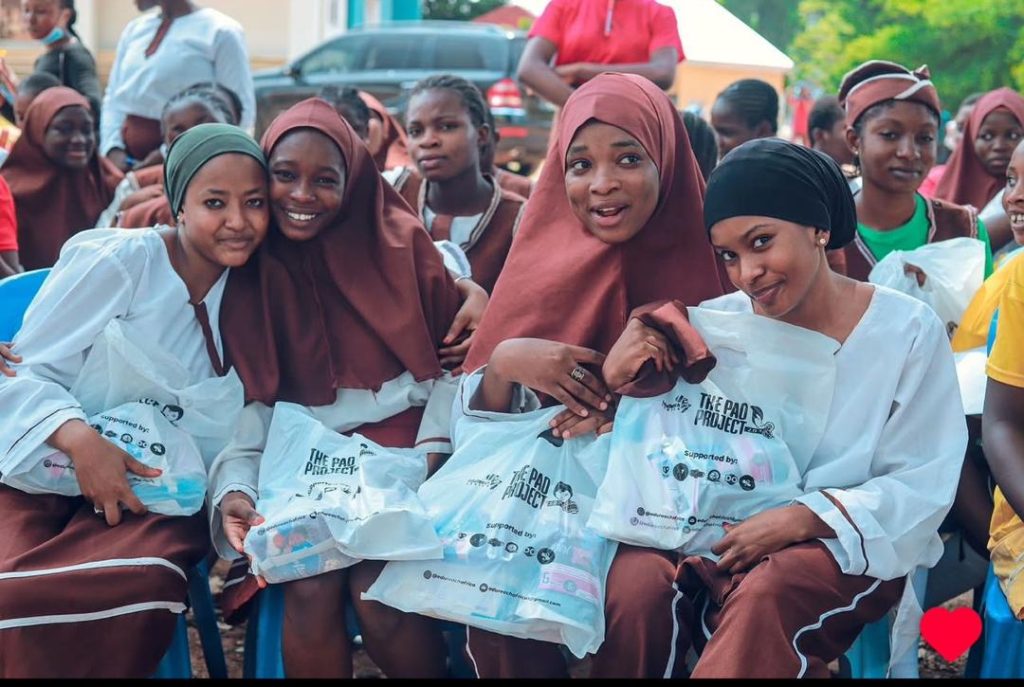
Menstruation should not be a barrier to education, health, or dignity. It should never be a source of shame or silence. It’s time the world recognized that periods are powerful — and so are the girls and women who have them.
Let us stand together — educators, activists, policymakers, parents, and allies — and build a world where every girl knows: her period is not her weakness. It is part of her power.
Ann Eyi-ojotule James is the Founder/E.D: Edureach Africa
