


By Daniel Oluwatobiloba Popoola
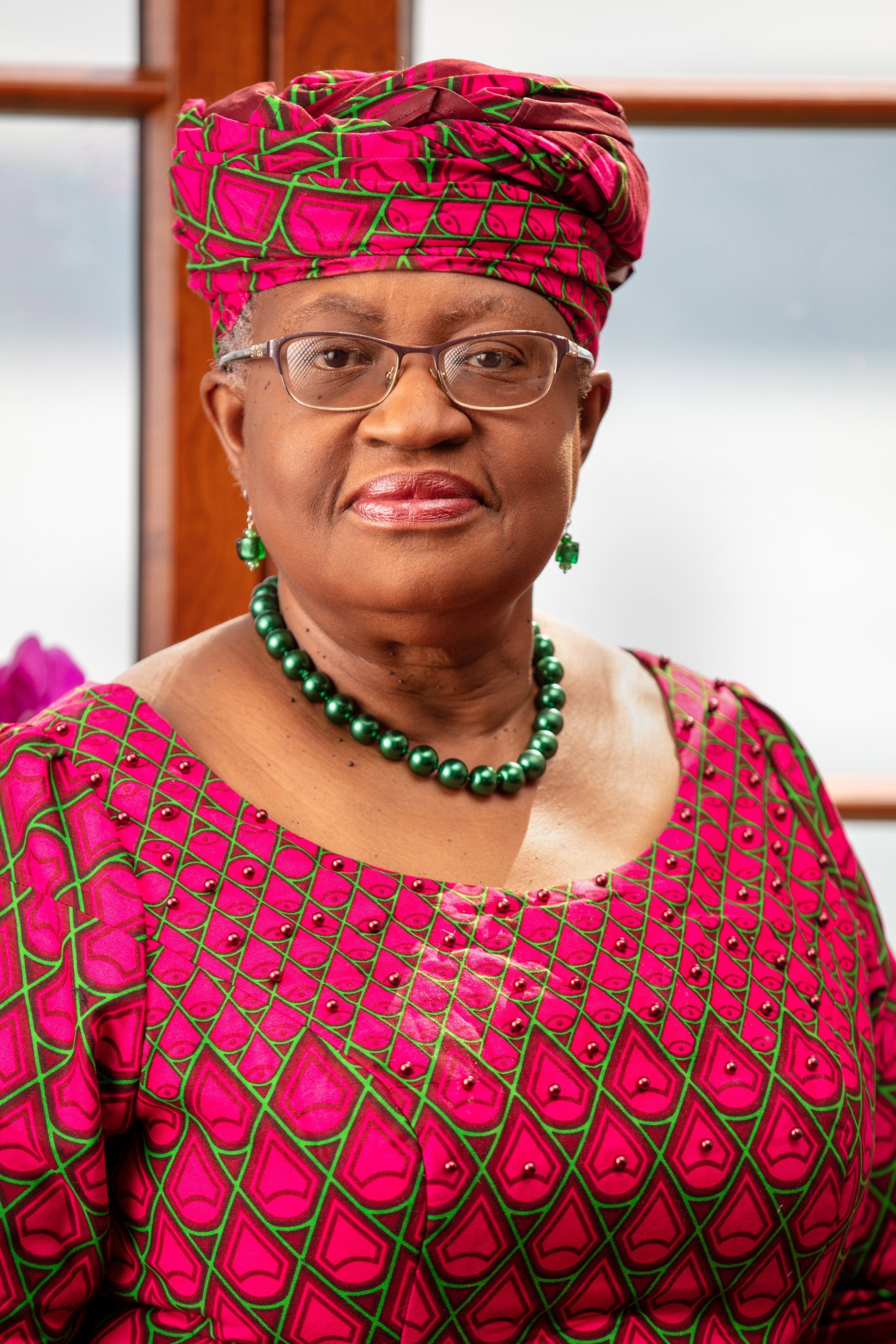
Director-General of the World Trade Organisation (WTO), NgoziOkonjo-Iweala, has thrown her weight behind Delta State’s plan to establish Special Economic Zones (SEZs), describing them as one of the most effective industrial policy tools available to governments with limited fiscal resources and relatively small domestic markets.
The former Nigerian finance minister made this known on Monday, 3 August, 2026 while speaking at the 2026 Delta State Economic and Investment Summit, themed “Harnessing Our Strengths, Unlocking Our Potentials,” where she also urged the state government to remain fiscally disciplined and channel public funds toward productive investments rather than recurrent or wasteful spending.
Okonjo-Iweala explained that well-designed SEZs allow governments to concentrate infrastructure, regulatory reforms, skilled labour, and business support services within designated locations, thereby creating conditions that attract private investment and manufacturing.
According to her, Delta State’s abundant gas resources provide a strong foundation for the successful development of industrial parks, particularly when supported by the Federal Government.
She, however, stressed that such zones can only thrive with reliable electricity, quality roads, rail connectivity, water supply, digital infrastructure, and efficient regulatory institutions, all of which, she noted, require sustained federal collaboration.
Speaking further, the WTO boss said Nigeria stands to benefit from developing additional economic growth centres beyond Lagos, Kano, and Port Harcourt, adding that Delta State has the potential to emerge as another major commercial hub capable of easing pressure on the country’s existing business centres.
Referring to the state’s proposed 2026 budget of N1.664tn, Okonjo-Iweala commended the emphasis placed on capital expenditure, saying increased investment in infrastructure could help place Delta on a stronger growth trajectory.
She, nonetheless, cautioned that budgetary allocations alone cannot guarantee sustainable development, insisting that Nigeria must shift its focus toward effective execution and maintenance of infrastructure.
“Endowments alone do not add value. Budgetary allocations alone do not lead to new roads, to good maintenance,” she said.
The former finance minister lamented the country’s weak maintenance culture, stressing that preserving existing infrastructure is as important as constructing new projects.
She identified better ports, improved digital infrastructure, and lower trade costs as key areas requiring sustained attention to boost Nigeria’s competitiveness.
“We lack a maintenance culture in the country. We need maintenance. We need better ports and digital infrastructure, and lower trade costs. Execution is what matters, and successful execution requires focus. It requires prioritisation,” she said.
Okonjo-Iweala also pointed to improvements in Nigeria’s macroeconomic environment, particularly efforts by the Federal Government to stabilise the exchange rate and curb inflation, saying these reforms would strengthen the economic prospects of states if sustained.
She maintained that with the right federal support and fiscal discipline at the state level, Delta could successfully leverage its gas resources and proposed SEZs to become a viable alternative economic hub for Nigeria.
