


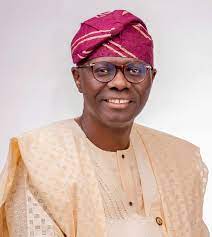
By Daniel Oluwatobiloba Popoola
Lagos State Governor, Babajide Sanwo-Olu, has unveiled new reforms in health insurance and digital health, reaffirming his administration’s commitment to ensuring that every resident enjoys quality healthcare, irrespective of location or income.
The Governor made this known on Thursday, 6 August, 2026, while speaking at the opening of the Second Eko Health Convention in Victoria Island, Lagos, where he said his administration was shifting from delivering healthcare projects to building enduring systems that guarantee quality, accessible and affordable care.
The two-day convention, organised by the Lagos State Ministry of Health, is themed “Building a Healthier Lagos: Connecting Access with Excellence.”
Sanwo-Olu described mandatory health insurance as the cornerstone of achieving universal health coverage in Lagos, noting that many residents still rely on unsustainable out-of-pocket payments for medical care.
He said, “Roughly three-quarters of what is spent on healthcare comes directly from the pockets of citizens at the point of illness. Health insurance works by pooling funds and sharing risks so that the healthy and the sick, the young and the old, can support one another.”
The governor disclosed that more than 1.5 million residents had enrolled in the Lagos State Health Scheme, with women accounting for over half of the beneficiaries. He highlighted the Ilera Eko EasyPay platform, which allows instalment premium payments; the Equity Fund, which covers premiums for vulnerable citizens; and the LASHMA Assistance in Distress initiative, which ensures emergency patients receive treatment before payment issues are resolved.
On infrastructure, Sanwo-Olu said Lagos had decentralised healthcare administration through six Health Districts to bring governance closer to communities, while landmark projects, including the Massey Children’s Specialist Hospital and the Lagos Mental Health Institute, were nearing completion.
He added that the Smart Health Information Platform (SHIP) would soon integrate medical records across all levels of care.
Earlier, Deputy Governor Obafemi Hamzat said the state’s healthcare system had shifted from a reactive to a proactive, institution-driven model since 2019 under the THEMES Agenda, insisting Lagos was in a far stronger position than seven years ago. He described the decentralisation through Health Districts as one of the administration’s most impactful reforms, improving accountability and community-based health education.
The Special Adviser to the Governor on Health, Kemi Ogunyemi, said the state had moved from commitments to implementation, disclosing that government had approved a stand-alone University of Medicine and Health Sciences while decentralising clinical training to address workforce shortages.
Commissioner for Health, Prof. Akin Abayomi, said transformational projects were already attracting diaspora healthcare professionals, adding that digital transformation through SHIP and the Lagos State Medical Innovation Zone would position Lagos as Africa’s leading hub for healthcare innovation and research.
Chairman of the Assembly’s Health Committee, Musbau Aina-Lawal, commended the Ministry for sustaining the convention and pledged legislative support for ongoing reforms.
Other speakers, including LASHMA Permanent Secretary Emmanuella Zamba, Health District V Permanent Secretary Dapo Asiyanbi, and HEFAMAA Executive Secretary Victoria Egunjobi, spoke on digital insurance innovation, primary care reforms, and patient safety standards respectively, while former Permanent Secretary Olusegun Ogboye commended the convention’s growth into an enduring annual platform.
