


By Oliver Okeke
President Bola Tinubu’s economic reforms and monetary policies, initiated since his administration’s launch in mid-2023, have faced intense scrutiny amid Nigeria’s longstanding challenges with inflation, currency devaluation, and food insecurity. However, recent data points to tangible positive impacts, particularly in curbing inflationary pressures and bolstering foreign reserves. These shifts, driven by measures like the removal of fuel subsidies, unification of exchange rates, and tighter monetary controls under the Central Bank of Nigeria (CBN), are beginning to yield practical benefits for everyday Nigerians, even as broader affordability issues persist.
Declining Food Prices: A Direct Win for Households
One of the most immediate and relatable positives is the noticeable drop in staple food prices, signaling a slowdown in inflation’s relentless grip. For instance, a congo (a traditional woven basket measure, roughly equivalent to 50kg) of rice, which sold for ₦3,500 just a few months ago, is now available for ₦2,500—a reduction of over 28%. Similarly, garri, a key cassava-based staple, has plummeted from ₦1,600 to ₦500 per unit, representing a staggering 69% decrease. These aren’t isolated anomalies but reflect broader disinflationary trends in local markets.
This easing is a direct outcome of Tinubu’s policies aimed at stabilizing supply chains and reducing import dependencies. By floating the naira and encouraging agricultural investments through initiatives like the National Agricultural Growth Scheme, the administration has helped boost domestic production of rice and cassava. Improved harvests, coupled with reduced smuggling and hoarding (facilitated by enhanced border controls), have increased market supply, driving prices down. For the average Nigerian household, where food constitutes over 50% of the Consumer Price Index (CPI) basket, this translates to real relief: families can now stretch their budgets further, potentially freeing up income for education, healthcare, or savings. While items remain costly compared to pre-reform levels, this gradual price correction demonstrates “practical economy at work,” as markets adjust organically without artificial price caps that often lead to shortages.
Naira’s Appreciation and Surging Foreign Reserves: Building Macro Stability
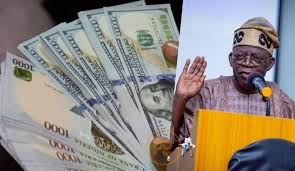
On the monetary front, Tinubu’s bold unification of the exchange rate—ending the parallel market distortions—and the CBN’s aggressive interventions have sparked a remarkable turnaround in the naira’s value. As of recent reports, the currency has appreciated to ₦1,506 per US dollar at the official Investors and Exporters (I&E) window, a significant improvement from peaks above ₦1,600 earlier in the year. This isn’t mere fluctuation; it’s underpinned by a robust buildup in Nigeria’s external reserves, which have climbed to $41.5 billion—the highest in over two years.
These reserves, amassed through oil export revenues, diaspora remittances, and foreign investment inflows attracted by policy credibility, provide a critical buffer against external shocks like global oil price volatility or geopolitical tensions. The stronger naira reduces the imported inflation that has plagued Nigeria for decades, as fewer naira are needed to buy dollars for essential imports like fuel, machinery, and raw materials. This, in turn, supports lower domestic prices across the board, including non-food items. Analysts speculate the naira could even break below ₦1,500 if reserve growth continues and speculative pressures ease, potentially ushering in a virtuous cycle of investor confidence and further appreciation.
Broader Implications: Laying Foundations for Sustainable Growth
These developments aren’t just statistical wins; they underscore the positive ripple effects of Tinubu’s reforms. Reduced inflation—now trending downward from double-digit highs—enhances purchasing power, particularly for low-income earners who felt the brunt of earlier subsidy removals. The policies have also drawn praise from international bodies like the IMF for promoting transparency and market-driven adjustments, which could unlock more foreign aid and loans. In essence, while the journey to full recovery is ongoing, these indicators paint a picture of an economy that’s starting to breathe easier, with ordinary Nigerians experiencing the benefits in their daily markets and wallets. If sustained, this could mark the beginning of a more resilient Nigerian economy.
