


By Fidimaiye Olajiire
Journalism is called the fourth estate of the realm a pillar of democracy, a check on power, and the voice of the voiceless. But in Nigeria, the men and women who carry this sacred duty are some of the most poorly paid in the world.
According to a 2024 survey by the International Federation of Journalists (IFJ), Nigerian journalists especially those in the print sector earn on average less than ₦50,000–₦80,000 monthly, a figure far below the cost of living in our cities. By comparison, their counterparts in South Africa and Kenya earn up to three to five times more, while journalists in Europe and North America earn salaries that make the profession dignified and sustainable.
This wage crisis has made Nigerian journalists appear cheap in the eyes of the very society they serve.
Print journalists, who spend sleepless nights chasing leads, attending press briefings, and filing stories under impossible deadlines, often cannot afford decent rent, transportation, or even the newspapers they help produce. Many have to rely on “brown envelopes” and handouts just to survive a practice that erodes integrity and compromises the profession’s noble calling.
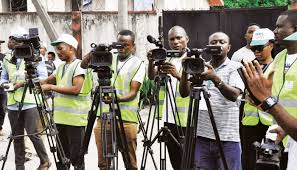
For broadcast journalists, the story is slightly different but no less heartbreaking. Their faces and voices may be well-known across radio and television, but behind the glamour is an empty pocket.
The brand is big, but the pay is small.
Many broadcasters juggle multiple jobs, take on side hustles, or leave the profession altogether, because fame without financial dignity cannot put food on the table.
Yet, these are the same professionals who risk their lives during elections, who face intimidation when exposing corruption, who also fight for the other professions who feel oppressed, who travel dangerous roads to bring news from conflict zones, and who serve as the conscience of the nation. Without them, Nigeria would be in darkness.
It is a paradox: how can those who hold government accountable be unable to pay their children’s school fees?
How can those who shine light on corruption be forced to beg to survive?
If Nigeria truly values democracy, the plight of its journalists must be addressed.
Decent pay, fair contracts, pensions, and insurance should not be luxuries but rights.
The dignity of the press is directly tied to the dignity of our nation.
As the Yoruba say: “Ti a bá fi ọwọ́ otún bá ọmọ wí, a fi ti òsì fà á mọ́ra” when we scold a child with the right hand, we draw them closer with the left.
In the same way, while we demand integrity and professionalism from journalists, we must also embrace them with fair pay and respect.
These are issues I expect the professional bodies like NUJ and NAWOJ to be working on instead to the personal aggrandisement of their executive officers.
Nigeria must ask itself: what becomes of a country when the voice of truth is silenced by hunger?
I am a young journalist who is actually disenchanted by the way out leaders are handling the profession.
