



By Chi Lael and Dr. Kelechi Onyemaobi
Aisha and her eight children have spent the last three months hiding in the bush in northeast Nigeria. Her husband was killed last year, shot by members of Boko Haram. Aisha managed to escape. “We ran into the forest,” said Aisha, “me and my eight children. We stayed there for three months. Every day, I would look for firewood and risk taking it to town to sell, so I could feed my children.”

Aisha and her children were eventually taken in by a kind family who they still live with. They are amongst the one million people being helped by WFP as food insecurity in northeast Nigeria. “I really appreciate this food. If we didn’t have it, my children would go out to beg around the community,” said Aisha.
Tragically this crisis is not the result of a drought, but conflict that has been spreading through the region during the last decade. It is estimated that more than 30,000 people have been killed in the fighting – and Aisha’s husband is just one of them. The state of Yobe – where Aisha lives – Adamawa and Borno, have borne the brunt. The seemingly bucolic idyll – the camels grazing by the side of the road, the ox-carts ferrying goods for sale – belie the underlying atmosphere of fear.

Nor is Aisha alone in her plight: one in four women in northeast Nigeria are now widows as a result of the conflict, leaving many of these families to suffer from the absence of their fathers and husbands.
Added to this, an estimated 2.1 million people have also had to flee their homes, which in a largely agrarian community severely increases the threat of hunger. If people can’t grow food, work their land, then they risk starving.
Ya Kaka, 25, and her children also receive support from WFP with funding from the European Union (EU). But she is a victim of another aspect of the conflict – forced marriage. When she was 18, Ya Kaka was kidnapped by insurgents to become a ‘bride’ for a soldier – however, Ya Kaka was already married, with children. After three years – having given birth to a baby in captivity – Ya Kaka finally managed to escape and return home.
“I was always scared that I might get caught. But one day, I woke up and decided to escape. I was ready to do whatever it would take,” she said.
Unfortunately, when she returned, Ya Kaka’s first husband rejected her and her new baby because she’d been married – albeit as a kidnap victim – to another man. Now Ya Kaka lives, with four children, in the village of Kukareta, near Damaturu, only able to feed them with the food she receives from WFP. “I’m hoping and praying to God to take away all my pains, I want to forget all I’ve gone through or all that I’m always thinking about,” said Ya Kaka.
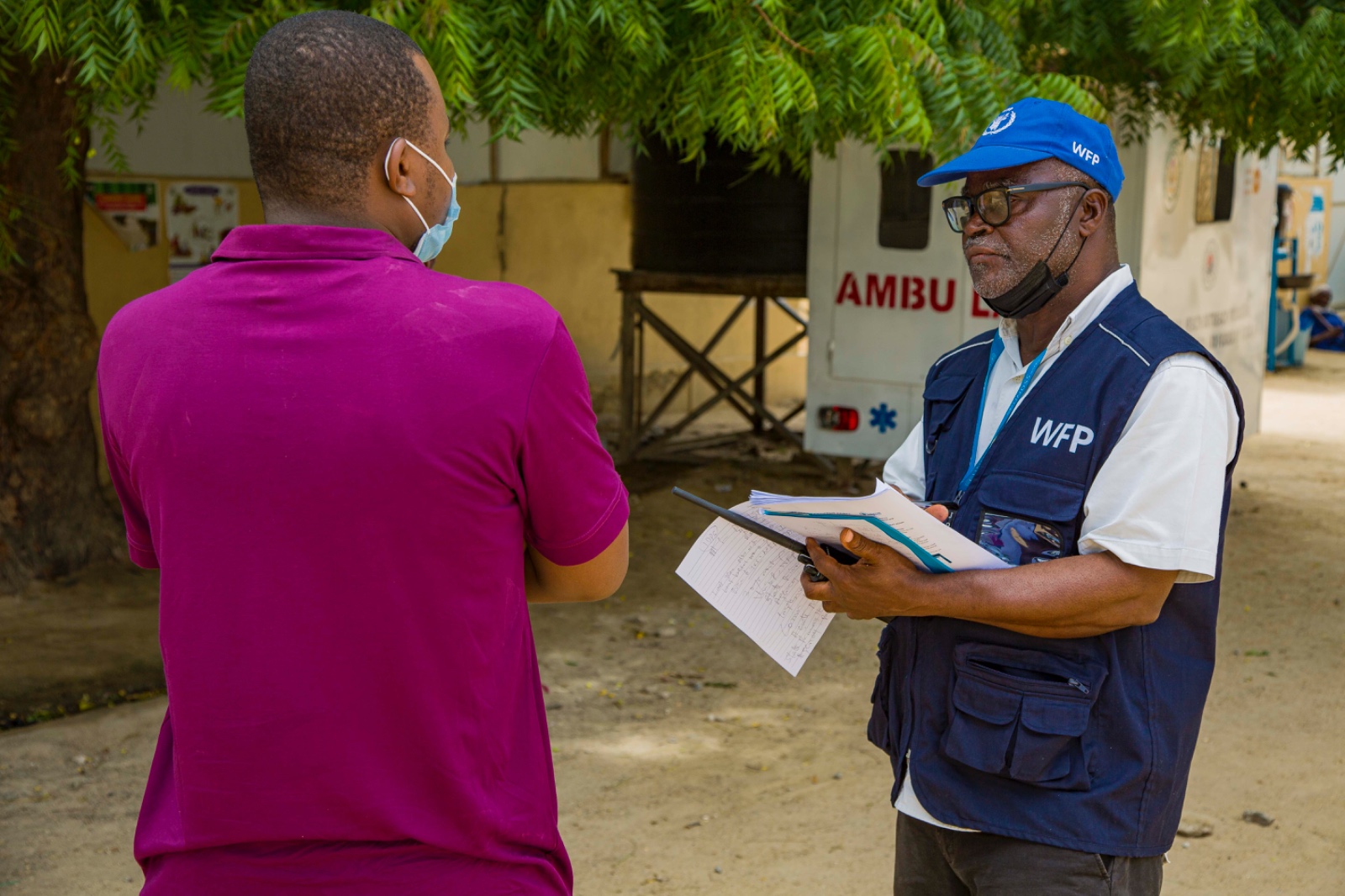
Almost 5 million people currently suffering acute food insecurity in need of urgent assistance in the conflict-affected states of Borno, Adamawa and Yobe. WFP is supporting up to 1 million people with emergency food and nutrition assistance for children, supported by its donors including the EU.
Chi Lael and Dr. Kelechi Onyemaobi work for the United Nations World Food Programme, the world’s largest humanitarian organization saving lives in emergencies and using food assistance to build a pathway to peace, stability and prosperity for people recovering from conflict, disasters and the impact of climate change. They can be reached via email at Chi.Lael@wfp.org and Kelechi.Onyemaobi@wfp.org
