


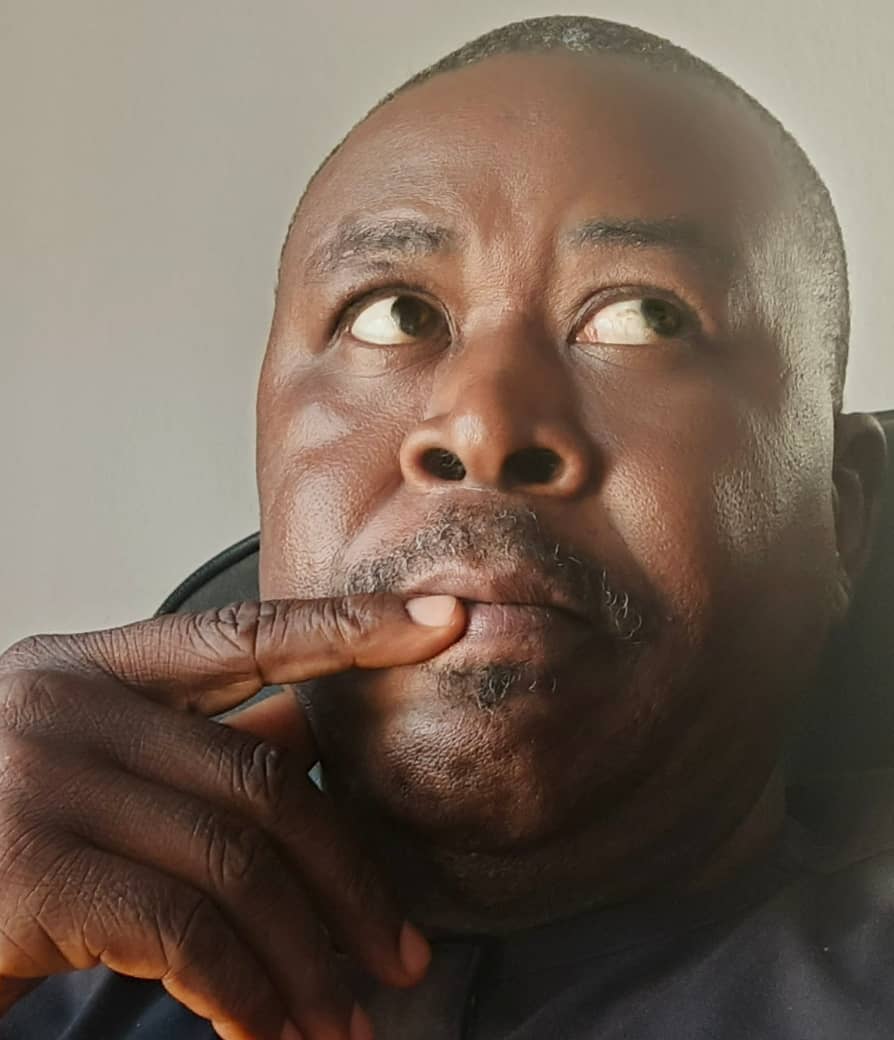
By Dr. James Bwala
The politics and religion of Nigeria are a theater of absurdity. Religious leaders in Nigeria frequently mix partisan politics with pulpit preaching. High-profile clerics from both major faiths use their religious platforms to endorse candidates, campaign for specific ballot tickets, and reduce national elections to religious headcounts, often ignoring good governance in favor of sectarian loyalty.
I have read, watched, and heard about respected individuals, particularly across the Nigerian faithful—Christians and Muslims—taking to the pulpits or, on any given opportunity, across society, to demonstrate foolishness. I never want to join issues with whatever debate is ongoing within the Nigerian space, whether on traditional platforms, religious views, or the political landscape.
However, while observing these trends, I chose to draw our attention to wherever we think we are going as Christians, Muslims, or traditional believers in Nigeria. I see the platform that established this theatrical battleground in our lives as citizens of a great nation. And here we must all come to understand that it benefits no one.
Politics, often deemed one of the most perilous concepts in human experience, demands a critical and profound reflection to truly grasp its implications. It is not just a word or an abstract idea; it speaks more about the intricate interplay of leadership and followership across diverse religious, traditional, and ethnic backgrounds—this essentially encompasses every facet of society. In fact, this universality makes politics in democratic governance extremely complex, expensive, and frequently bewildering even to those who are so involved in its practice. The chameleonic nature of politics, its propensity for self-serving manipulation, and its enduring influence on social structures call for a careful examination, particularly through the lens of Nigerian political realities since the nation’s return to democracy in 1999.
From the outset, politics is about power: who wields it matters, how it is acquired is key, and how it is exercised is very vital. The dynamics of politics go far and beyond the formal institutions and electoral processes; they permeate everyday interactions, decisions, and negotiations among individuals and communities.
For example, in democratic societies such as ours, politics ostensibly serves as the mechanism through which diverse interests are reconciled and governance is carried out but not transparently and equitably. Yet the practical dimension often reveals a different story. However, through the lenses, we know that this is marked by intrigue, division, and exploitation. This duality renders politics simultaneously captivating and dangerous. The danger lies not only in overt conflict but also in subtler forms of manipulation and exclusion, which breed mistrust and instability.
The Nigerian context of politics vividly illustrates these tensions. Since the return of democracy or political rule in 1999, the political atmosphere in Nigeria has been characterized by visible ‘shapes and twists,’ referencing the multifaceted and sometimes contradictory practices that define political engagements across the country.
From Lagos to Sokoto and Borno to Lagos again, the influence of politics has been unmistakable, shaping the social and economic life of Nigerians in profound ways. It is important to note that politics in Nigeria has often transcended its institutional boundaries to become a tool wielded by clerics, traditional rulers, and various opportunists who understand and manipulate it for personal gain. These actors exploit their positions of trust and authority within communities, utilizing politics as a means of consolidating influence or furthering agendas that may not align with democratic ideals or national unity.
In Nigeria, religion occupies a particularly significant role in the political arena, a situation made more complex by the country’s deep religious diversity. Political actors have frequently exploited this diversity, turning religion into a weapon for division rather than a foundation for coexistence. Figures such as Gumi, Jingir, and Dachemo symbolize how religious leaders can stir societal tensions, often under the protective umbrella of political maneuvering. Politics has afforded these figures the latitude to influence public opinion and exacerbate divisions without facing substantial restrictions or accountability. This phenomenon exemplifies the potent intersection between religion and politics, where the latter facilitates an environment conducive to “divide and rule” strategies.
The phrase “divide and rule” encapsulates a political tactic that has been evident throughout Nigerian history and remains alarmingly relevant today. It refers to the deliberate fostering of division among groups to maintain control and prevent unified opposition. In Nigeria, this strategy manifests in various forms, from ethnic and religious polarization to regional favoritism and patronage networks.
An illustrative incident is the comment attributed to the governor of Katsina, Malam Dikko Umaru Radda, who reportedly sought to discriminate against civil servants based on faith. Such statements reveal the pernicious impact of political divisions, which not only undermine social cohesion but also threaten the equitable distribution of resources and opportunities. Ironically, Katsina State’s funding largely derives from federal allocations sourced from the oil revenues of states with populations of differing faiths, underscoring the interconnectedness of Nigeria’s socio-economic fabric and the folly of sectarian posturing.
The permissiveness of Nigeria’s political system towards divisive rhetoric and self-serving actions points to deeper systemic issues. Politics, as practiced, often shields arrogance and impunity, allowing destructive narratives to proliferate while compromising democratic accountability. Nonetheless, this same political arena has proven to be a double-edged sword. History testifies that politics, while seductive in its initial appeal, inevitably exposes vulnerabilities and precipitates the downfall of many who wield it arrogantly.
The metaphor of politics as initially sweet but ultimately bitter rings especially true for political office holders who experience the transition back to civilian life at the end of their tenure. The reality they confront is sobering: the power and privileges of office evaporate, leaving behind a life that is “never normal at all.” This truth serves as both a caution and a moral imperative for political actors to govern with humility and foresight.
To move Nigeria toward a healthier political culture, there must be a collective effort to reframe the understanding and practice of politics. Leaders should prioritize genuine service over self-interest, embrace inclusivity, and foster respect for diversity rather than exploiting it for short-term gains. Reform is essential not only in institutional mechanisms but also in the societal attitudes that allow politics to be hijacked by sectarianism and opportunism. Civil society, media, and grassroots movements all have roles to play in holding political actors accountable and promoting a politics that unites rather than divides.
Moreover, democratic governance must transcend mere electoral processes and embody principles that ensure transparency, justice, and equitable development for all citizens. Only then can politics reclaim its nobler purpose: to serve as the art of governance for collective well-being rather than a battlefield for personal ambition or communal discord.
The study of politics, particularly within the Nigerian experience, reveals a landscape fraught with contradictions and challenges. Its dangers lie not only in overt conflicts but also in subtle manipulations that exploit identity and power asymmetries. However, acknowledging these dangers provides the foundation for meaningful reform and transformation. Nigerian politics need not remain a domain of confusion, expense, and exploitation. With committed leadership, informed citizenry, and robust institutions, politics can once again become a force for unity, development, and democratic consolidation. The journey may be arduous, but the stakes—peace, prosperity, and dignity—demand no less. It is time for Nigerian leaders and citizens alike to learn from past mistakes and embrace a politics that truly serves the common good.
James Bwala, PhD, writes from Abuja.
