


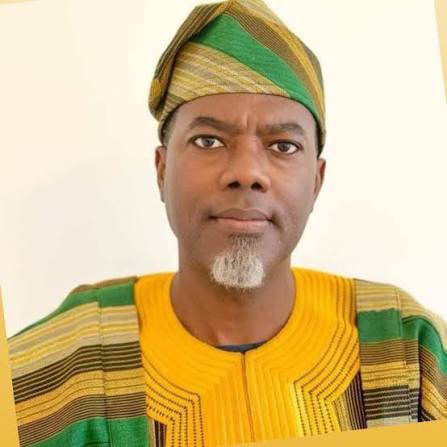
By Daniel Oluwatobiloba Popoola
Nigeria’s ambassador-designate to Mexico, Reno Omokri, has disclosed that President Bola Tinubu consented to the forfeiture of client funds flagged as suspicious by the United States Federal Bureau of Investigation, FBI, insisting the probe targeted the President’s former clients and not Tinubu himself.
Omokri made the disclosure on Sunday,13 September, 2026 during an appearance on Channels Television’s “Politics Today,” amid renewed debate over US records tied to a 1990s investigation and an ongoing court case seeking access to documents held by American law-enforcement agencies.
He explained that Tinubu, then working as an accountant, had held funds belonging to clients who were later indicted by the FBI, adding that the funds were subsequently classified as suspicious.
“The President was an accountant, and then the President had client funds. Those persons had been indicted by the FBI, and as a result of that, it said that certain funds… are suspicious funds,” Omokri said.
He added that Tinubu agreed to the forfeiture once the matter was brought to his attention, noting that the action was taken against the accounts and not against him personally.
“And then when it was brought to the attention of the President, the President agreed for a forfeiture. Now, it was to the accounts, not the President,” he said.
Omokri maintained that although the existence of an FBI investigation could not be disputed, Tinubu was never its subject, a position he reiterated for emphasis: “There was an investigation. Bola Ahmed Tinubu was not the subject of that investigation.”
He further cited a 2003 FBI document, which he said captured the outcome of background checks conducted on Tinubu, claiming it showed no criminal arrest record or outstanding warrant against him.
The Ambassador-designate declined to name those investigated, saying he did not wish to expose their families to unnecessary consequences.
On the pending litigation, Omokri said the dispute centred on 399 pages of records identified in Freedom of Information Act proceedings, some of which had been redacted or withheld by American authorities.
He declined to discuss the contents of the documents, citing the ongoing court case, but argued against their release, saying the records could contain biometric, familial and financial details capable of being exploited by the President’s political opponents.
“You don’t want those records in the hands of your enemies,” he said.
