


By Daniel Oluwatobiloba Popoola
The Federal Government has set a target of creating two million jobs in the creative industry by 2030, as part of efforts to turn the country’s cultural assets and creative talent into commercially viable enterprises.
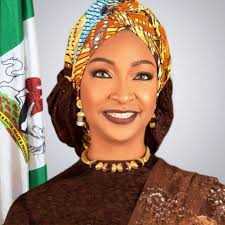
The Minister of Art, Culture, Tourism and Creative Economy, Hannatu Musawa, disclosed this on Friday, 11 September, 2026 at the closing ceremony of the 2026 Kano Creative Summit, organised by the National Theatre to strengthen Nigeria’s creative economy and equip practitioners with skills for sustainable businesses.
The two-day summit, themed “Beyond Lagos: Unlocking Northern Nigeria’s Creative Economy,” ended the same day.
Musawa challenged creative practitioners in Northern Nigeria to take ownership of their works, strengthen their business structures and leverage intellectual property to generate sustainable incomes.
She said Kano’s centuries-old creative traditions showed that the city had run a vibrant creative economy long before the concept became part of formal economic policy.
“Kano had a creative economy long before anyone gave the name creative economy to the industry,” she said.
She cited the city’s dyeing pits, leatherwork, weaving, embroidery, blacksmithing, traditional performances and Kannywood film industry as assets capable of generating significant economic value if properly organised and commercialised.
The minister said Kannywood had built a significant international audience, reaching Hausa-speaking communities across West Africa and beyond.
She argued that its contribution should be recognised as an important part of Nigeria’s global film industry alongside Nollywood.
She also highlighted Kano’s contribution to literature, noting that women in the city had written, printed and sold novels in local markets as far back as 1958, while artists associated with the Zaria Art Society contributed to the development of modern Nigerian art.
The appointment of Ali Nuhu, a prominent Kannywood actor and filmmaker, to head the Nigerian Film Corporation, Musawa said, demonstrated the Federal Government’s effort to bring practitioners into institutional leadership.
The Minister, however, identified weak commercial structures, inadequate ownership systems and limited market access as major constraints preventing creative practitioners from benefiting fully from their work.
“Talent has never been a problem here,” she said, stressing that the challenge was to ensure creative work generated enough income to attract younger generations.
She noted that many traditional craft practitioners were abandoning their occupations because they could no longer earn enough from them to sustain their livelihoods.
“What is missing is rarely talent. It is ownership, business structure, and a way into the market and directly into the money,” Musawa said.
The Federal Government, she said, was responding through its creative economy programmes, including an eight-point plan and the Destination 2030 initiative.
According to her, the National Theatre’s decision to take its creative summit to Kano formed part of a broader effort to ensure that opportunities in Nigeria’s creative economy were not concentrated in Lagos and Abuja.
Musawa urged young creatives in Kano and across Northern Nigeria to build businesses around their skills and ensure that the next generation could see sustainable livelihoods in the region’s cultural and creative industries.
