By Daniel Oluwatobiloba Popoola
The Federal Road Safety Corps (FRSC), Lagos State Sector Command, has intensified efforts to enforce stricter safety standards in the transportation of edible oil products, warning against the dangerous practice of using petroleum tankers for food haulage.

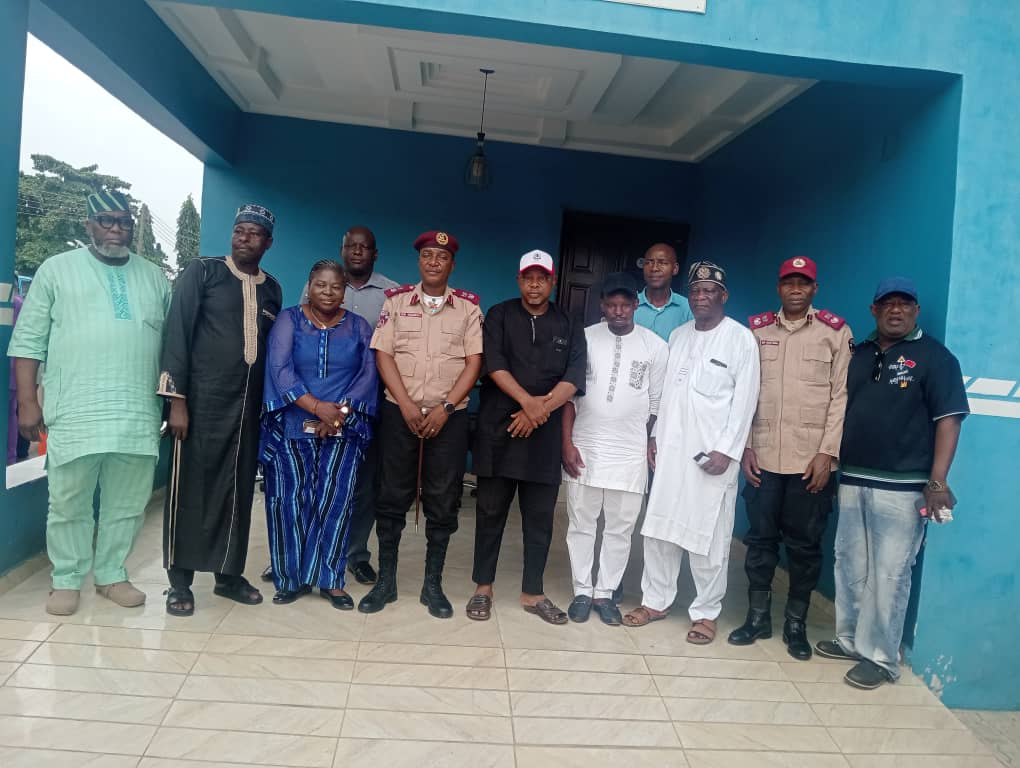
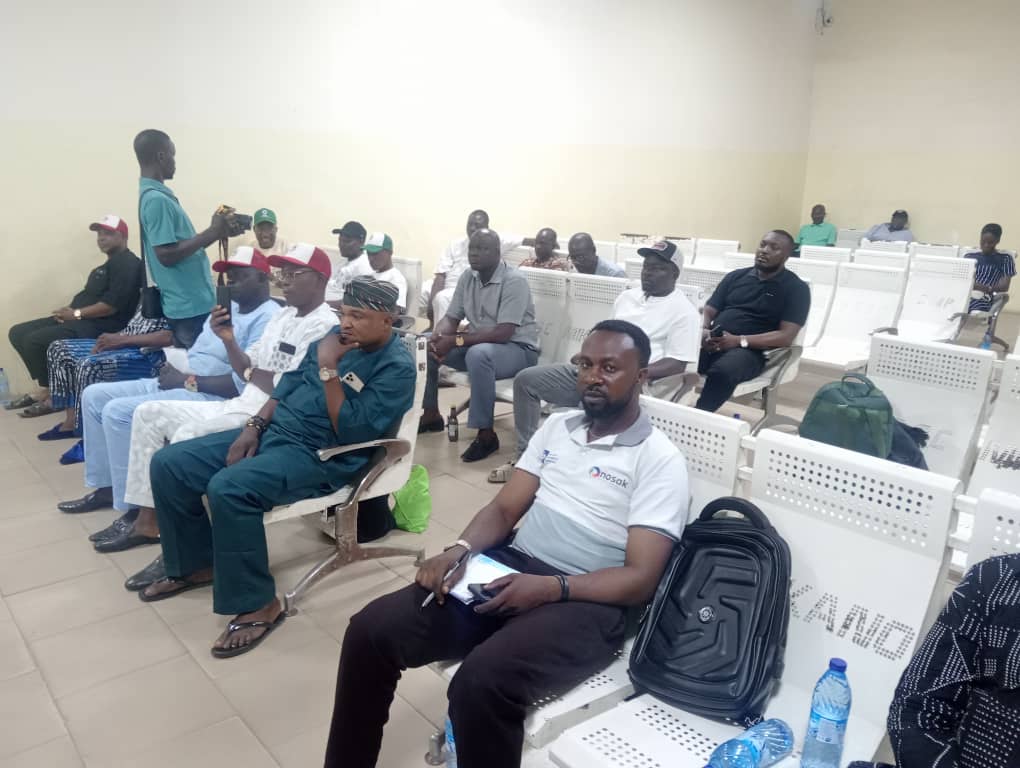
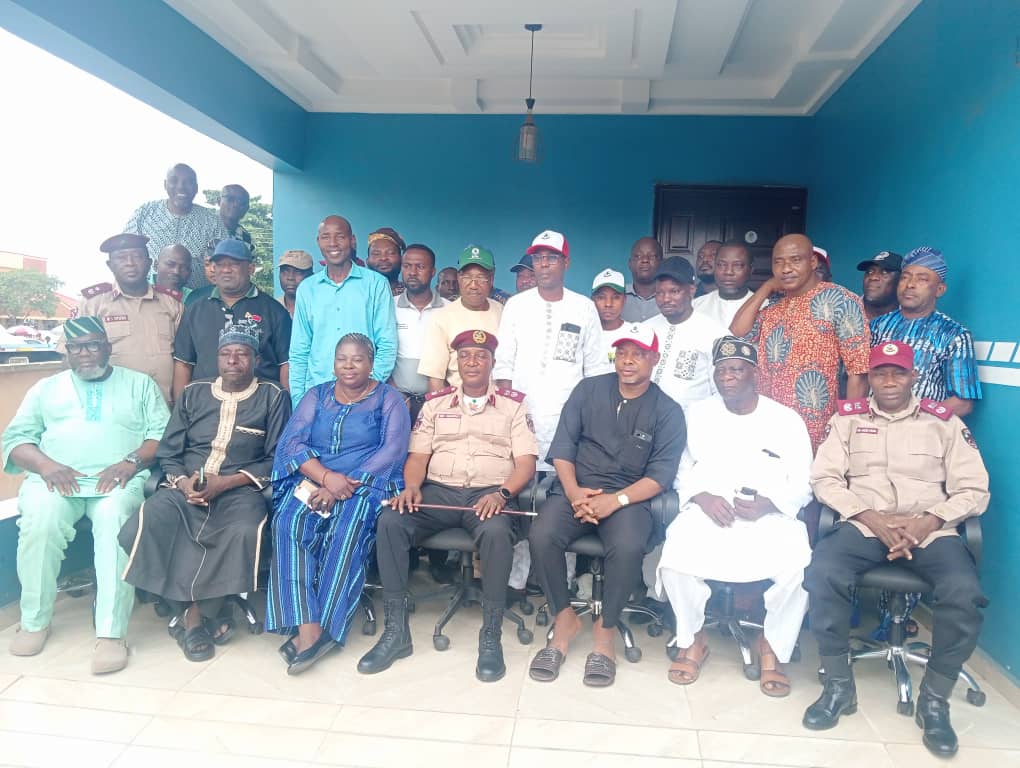
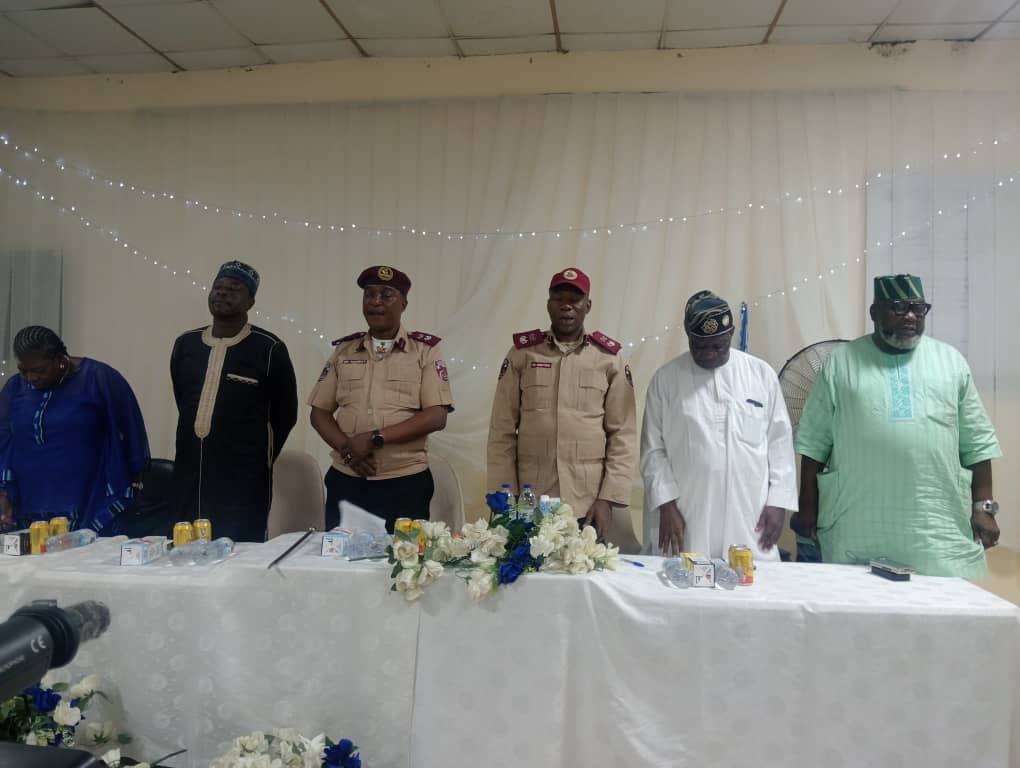
At a stakeholders’ engagement meeting held on Thursday, 2 April 2026, at the FRSC Sector Command headquarters in Ojodu-Berger, Lagos,
the Corps said the initiative forms part of its Safe-to-Load Programme aimed at ensuring compliance with safety regulations and protecting public health.
The meeting brought together key industry players, including tanker operators, union leaders, depot managers and regulatory agencies, to address emerging concerns in the sector.

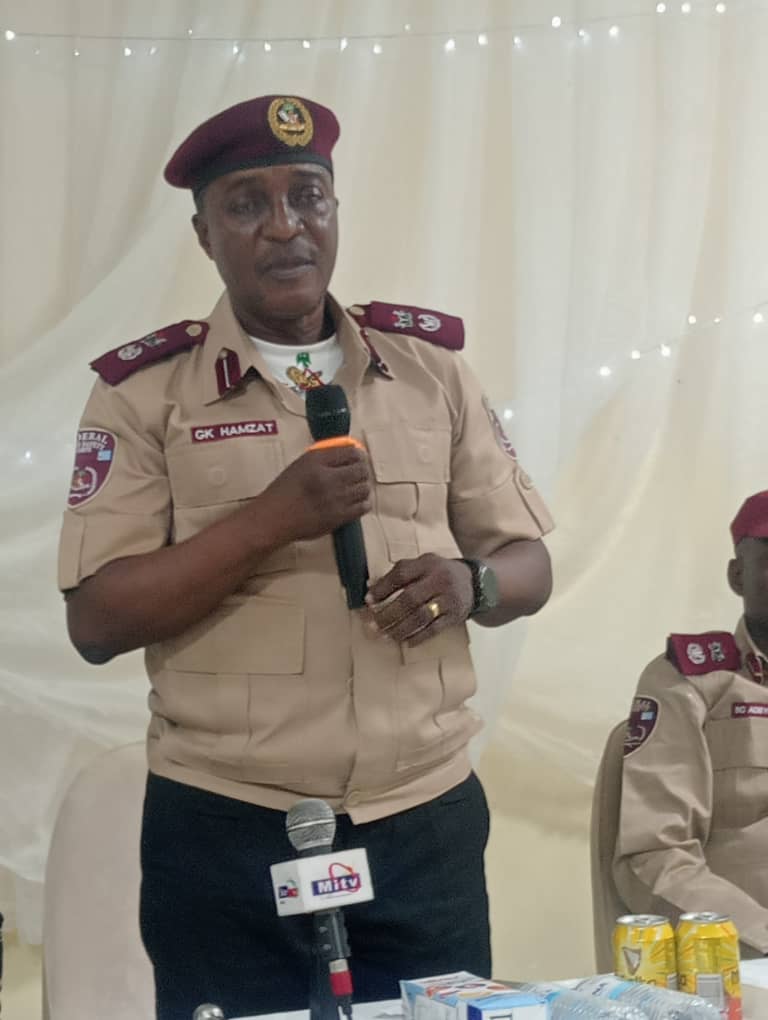
Speaking at the forum, the Lagos State Sector Commander, Corps Commander Kehinde Hamzat, said the Corps was working to eliminate unsafe practices in the transportation chain.
He explained that the extension of the Safe-to-Load Programme to edible oil tankers became necessary following the discovery that some operators use petroleum tankers to convey food products.
“We are trying to see a situation where Nigerians will not use petroleum tankers to transport edible oil,” he said. “If you look at the whole set-up today, you will discover that all stakeholders are present because this is a collective responsibility.”
Hamzat noted that under the new enforcement strategy, trucks would be inspected at loading points to ensure they meet mechanical and safety standards before being allowed to transport products.
Also speaking, the General Secretary of the National Union of Edible Oil Tanker Drivers of Nigeria, Comrade Usman Oluwatoyin Tajudeen, described the meeting as timely and necessary, stressing that safety compliance is a shared duty.
“This stakeholders’ meeting is very important for the country at this moment because it is a compliance and safety call,” he said. “When it comes to safety, it is not the business of road safety alone; it is everybody’s responsibility.”
He, however, highlighted operational challenges faced by drivers, particularly poor road conditions, which he said contribute significantly to accidents and financial losses. According to him, a company recently lost over ₦250 million within a week due to road-related issues.
“We appeal to government to fix these bad roads for us. We have tried our best in the movement of goods, but some of these roads are very bad,” he added.
Tajudeen expressed optimism that the Safe-to-Load Programme would reduce accidents, noting that vehicles would undergo proper inspection before loading, thereby ensuring that only roadworthy trucks are deployed.
Similarly, the Chairman of the Nigeria Labour Congress, Lagos State Council, Comrade Agnes Fumisile, said the engagement was long overdue and should be sustained regularly to reinforce compliance.
“This enlightenment programme is very apt and should not be a one-off. It is necessary for all tanker drivers and owners to conform with government policies and safety regulations,” she said.
She explained that the Corps’ decision to inspect trucks at loading bays would significantly improve road safety, adding that the initiative would protect not only drivers but also other road users.

Fumisile also warned against the use of the same tanker for transporting both edible and non-edible substances, describing it as a serious health risk. She urged truck owners to prioritise maintenance and avoid the use of substandard vehicle parts.
“The owners must ensure their trucks are in perfect condition. Maintenance is key for the safety of drivers and other road users,” she said.
On his part, a stakeholder and member of the Board of Trustees, Omooba Adeyinka Oyeniran, stressed the broader implications of the issue, noting that contaminated food products could pose serious health risks to the public.
“This problem concerns everybody. If contaminated products get to the market, they end up in our homes. Our children consume them, and it affects all of us,” he said.
He proposed the introduction of a dedicated identification system, including special number plates for edible oil tankers, to distinguish them from petroleum carriers and prevent misuse.
“If we are able to identify these vehicles from afar and ensure they meet standards, we can curb the activities of unscrupulous elements and safeguard public health,” he added.
The stakeholders unanimously agreed that stricter enforcement, improved collaboration among agencies, and better road infrastructure are critical to achieving safer transportation of edible oil products across the country.