


Money has become one of the biggest forces in Nigerian politics, with candidates often expected to spend heavily to secure party tickets and run competitive campaigns.
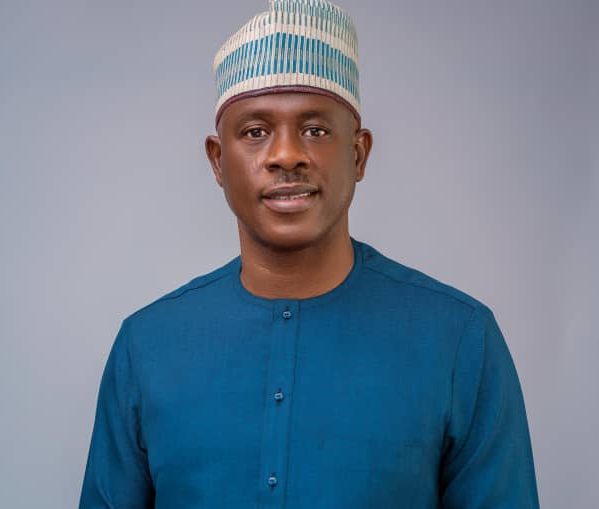
But former Minister and Senator Musiliu Obanikoro believes financial strength alone does not guarantee victory.
Obanikoro makes the argument in Seun Oloketuyi’s forthcoming book, ‘How to Win an Election in Nigeria’ scheduled for release on September 6, where he reflects on what really determines success at the polls.
While acknowledging that elections are expensive, Obanikoro says the more important question is what the money is being used for and what a candidate brings to the table beyond financial resources.
In his view, Nigerian politics cannot be reduced entirely to who has the deepest pocket.
“In Yoruba political culture, the concept of Omoluabi, character, integrity, and ethical conduct, remains a powerful factor,” he said.
The concept of Omoluabi, he explained, still carries weight in political relationships and in the way people assess those seeking public office. Obanikoro pointed to aspirants who had significant financial resources but still failed to secure party tickets during recent primaries.
According to him, some of these candidates made the mistake of treating money as a substitute for relationships, party loyalty and respect for the political structures they were trying to navigate.
“There are aspirants with vast financial resources who lost recent party primaries because they abandoned the principles of Omoluabi and disregarded the party’s internal culture,” he said.
For Obanikoro, the lesson is straightforward: money can open doors, but it cannot guarantee that people will trust or stand behind you.
“Money is a tool, but when divorced from character and respect for the party collective, it fails to deliver lasting political success,” he said.
He also believes that politicians who want to win the confidence of voters need to understand what actually matters to them.
Rather than relying entirely on sophisticated campaign slogans or promises, Obanikoro said candidates should pay attention to issues that affect people’s daily lives.
For many Nigerians, he noted, the most compelling political message is often a simple one who will provide security, improve roads, make healthcare more accessible, provide opportunities and make everyday life easier?
He cited the political legacy of the late Chief Obafemi Awolowo as an example of how tangible achievements can give political ideas lasting appeal.
Awolowo’s administration in the old Western Region became known for programmes including free primary education and accessible healthcare, policies that, according to Obanikoro, connected directly with the needs of the people.
For him, that remains an important lesson for today’s politicians.
A candidate may have the resources to run a sophisticated campaign, but voters still want to know what that candidate has done, what he or she stands for and whether there is reason to believe that their lives will improve.
Obanikoro’s position also challenges the assumption that the candidate who spends the most automatically has the best chance of winning.
Financial resources are necessary, he acknowledges, but they work best when supported by credibility, relationships and a genuine connection with the electorate.
That balance, he suggests, becomes even more important within political parties, where an aspirant is not dealing only with voters but also with party leaders, delegates and established structures.
His argument is ultimately about the limits of money in politics.
For all the money that goes into Nigerian elections, Obanikoro believes there are things money cannot manufacture — character, trust and a record of service.
And in a political environment where the cost of seeking office continues to rise, his question is one that candidates may need to consider: after the money has been spent, what exactly is left for the people to believe in?
Obanikoro’s reflections on money, character, service and the realities of winning elections form part of the wider conversation in Seun Oloketuyi’s How to Win an Election in Nigeria, coming September 6.
