


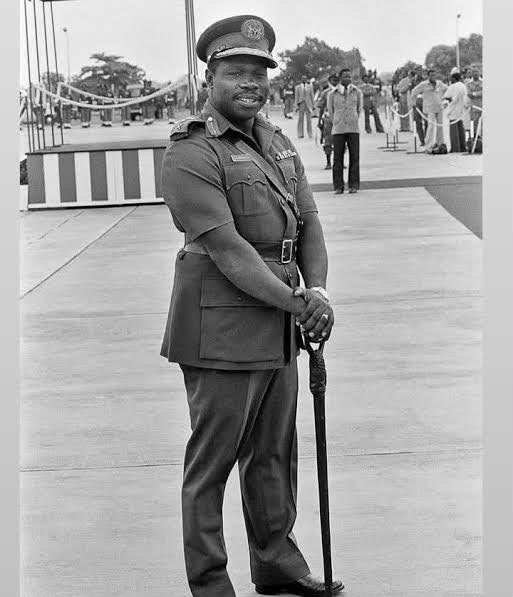
By Babafemi Ojudu
Public figures who invoke loyalty as a moral test must themselves be prepared to have their own record on loyalty examined.
I have followed the debate surrounding Chief Olusegun Obasanjo’s claim that his former Vice President, Alhaji Atiku Abubakar, was disloyal. Having observed and reported on some of the events in question, I find Obasanjo’s sanctimonious posture rather troubling.
Perhaps it is time for Nigerians to ask a few questions of Obasanjo himself. How loyal was he to General Murtala Mohammed?
Is it not true that Murtala, at one point, contemplated removing him from office and relieving him of his military commission, and that he was saved only through the intervention of distinguished public servants such as Philip Asiodu, Allison Ayida, Chief Awoniyi of Mopa, and others who pleaded his case?
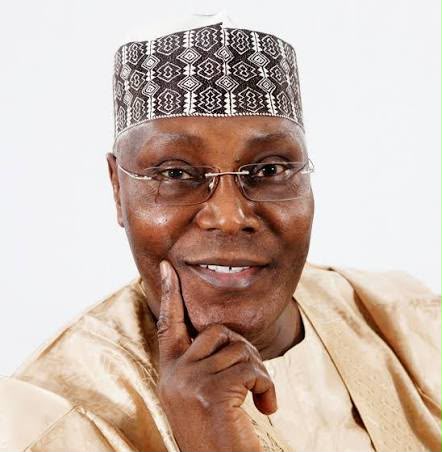
Atiku
What became of those senior permanent secretaries after they had successfully persuaded Murtala not to dismiss him? How did Obasanjo treat them when he eventually became Head of State? And what role, if any, did he play in the events leading up to the coup in which General Murtala Mohammed lost his life?
Those seeking answers should read Murtala Muhammed: A Betrayed Revolutionary by the veteran journalist Sidi H. Ali. First published in 1982, the 236-page work examines the rise, leadership, and assassination of General Murtala Mohammed, as well as the political intrigues surrounding that turbulent period.
I would also recommend Allison Ayida’s autobiography, Nigeria’s Quintessential Public Servant. Both books contain accounts and observations that complicate the simplistic moral image Obasanjo has often projected of himself.
I once travelled to Mopa to interview the late Chief Awoniyi. I was astonished by the stories he shared about Obasanjo and the events of that period. Years later, when Chief Awoniyi became Chairman of the Peoples Democratic Party (PDP), I had several opportunities to revisit those conversations. On each occasion, he spoke candidly and at length about the man behind the carefully cultivated public image.
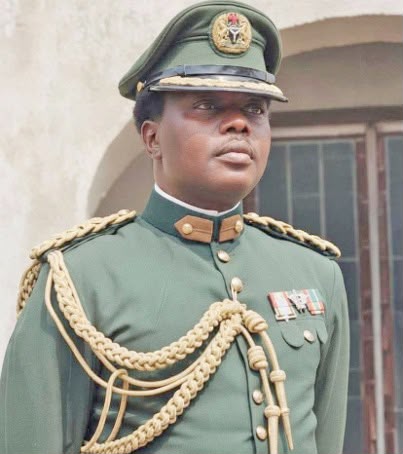
Late General Murtala Mohammed
These are aspects of our history that have never been fully examined or honestly documented.
What we are witnessing today is politics dressed up as moral outrage. Obasanjo has often presented himself as the sole custodian of virtue while portraying virtually every other political actor as deeply flawed. It is a familiar pattern: he is the saint; everyone else, the sinner.
Many of us have lived through enough of our history to know that the record is far more complex than this carefully cultivated image suggests. Nor have we forgotten the controversies that have surrounded him over the years, including the candid portrait contained in the memoir written by his first wife, Remi Obasanjo. For those interested in this book the title is: Bitter- Sweet: My Life With Obasanjo.
History deserves honesty, not selective memory.
— Babafemi Ojudu
