


By Daniel Oluwatobiloba Popoola
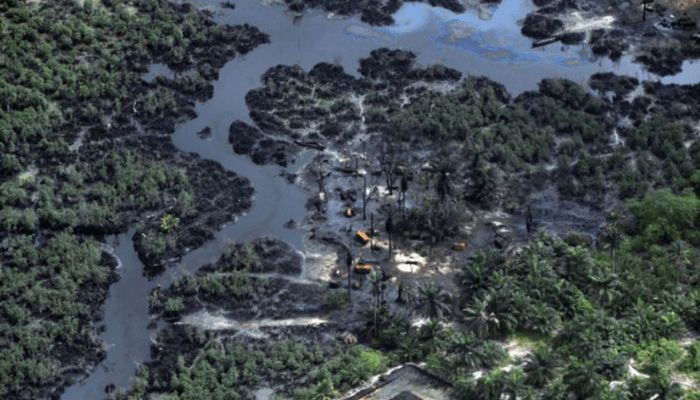
The Foundation for Partnership Initiatives in the Niger Delta has raised the alarm over growing climate security risks in the region, warning that flooding, coastal erosion, environmental degradation and livelihood losses are deepening human insecurity and increasing pressure on communities across the Niger Delta.
The warning was contained in a statement issued by PIND on Friday, 7 August, 2026 following its Policy Roundtable on Advancing Climate Resilience, Climate-Sensitive Peacebuilding and Human Security in the Niger Delta, held in Port Harcourt, Rivers State.
The engagement brought together government officials, policymakers, development partners, environmental experts, researchers, civil society organisations, private sector actors, peacebuilding practitioners and representatives of climate-vulnerable communities to discuss the impact of climate change on livelihoods, security and social stability.
Speaking on behalf of PIND’s Executive Director, Sam Daibo, the organisation’s Peacebuilding Programme Manager, Dr David Udofia, said climate change had evolved into more than an environmental challenge, describing its ripple effects on daily life.
“Climate change is increasingly a livelihood, peace and human-security challenge in the Niger Delta. When farms are flooded, fishing waters are degraded, mangroves are destroyed and families lose their sources of income, the consequences extend far beyond the environment,” he said.
Udofia added that climate-related pressures could worsen poverty, increase displacement, deepen community grievances and intensify competition over scarce resources, stressing the need to integrate climate resilience into peacebuilding and development planning.
“We must therefore integrate climate resilience into peacebuilding and development planning,” he said.
At the event, PIND launched its Policy Brief on Climate Change and Human Security in the Niger Delta, highlighting the impact of flooding, coastal erosion, irregular rainfall and environmental degradation on agriculture, fishing and other livelihood activities. The policy document noted that climate-related disruptions were reducing productivity, affecting household incomes and increasing competition over natural resources, with possible implications for peace and security.
Participants at the roundtable discussed strategies to strengthen community adaptation, improve environmental governance, protect climate-sensitive livelihoods and prevent climate pressures from worsening existing conflicts.
The event also featured a demonstration of PIND’s newly deployed Climate Data Filter on the Niger Delta Peace Map, a tool designed to integrate climate information into conflict analysis and early-warning systems, which PIND said would help policymakers and practitioners identify emerging risks, improve anticipatory action and support evidence-based decision-making.
Also speaking, the Director of Relief and Rehabilitation at the Bayelsa State Emergency Management Agency, Amiefamonyo Braid Fredrick Ongiri, stressed that addressing climate security challenges requires collective action.
“No institution can address the climate-security challenge alone. The evidence presented today reinforces the need for stronger coordination, better use of data and greater investment in locally led adaptation. The recommendations from this roundtable provide a practical foundation for collective action,” he said.
Representing affected communities, Ebijimi Olugbenga of Bijimi Community in Ilaje Local Government Area said climate change was already affecting the daily lives of residents, calling for community involvement in designing solutions.
“Our livelihoods depend on the land and water, but flooding and environmental degradation are making it increasingly difficult for families to farm, fish and earn an income. Communities must be involved in designing the solutions because we experience these challenges directly and understand what will work locally,” he said.
The roundtable built on recommendations from the 2025 Niger Delta Crisis Scenario Planning Workshop on Resilience Strategies, organised by PIND in collaboration with the Office for Strategic Preparedness and Resilience, the Fund for Peace and Deutsche Gesellschaft für Internationale Zusammenarbeit GmbH under the ECOWAS Peace, Security and Governance Project.
The engagement concluded with recommendations for integrating climate-security considerations into public policy, community peace structures, environmental governance, early-warning systems and development programmes. PIND said the recommendations would be captured in a communiqué and post-event report to guide advocacy, policy engagement, programming and future collaboration aimed at strengthening climate resilience across the Niger Delta.
