


By Daniel Oluwatobiloba Popoola
The Nigerian Communications Commission has disclosed that telecommunications operators and tower companies invested about N2.5tn in network infrastructure and upgrades in 2025, even as Nigerians continue to grapple with dropped calls, slow internet speeds, unstable data services and persistent network disruptions across parts of the country.
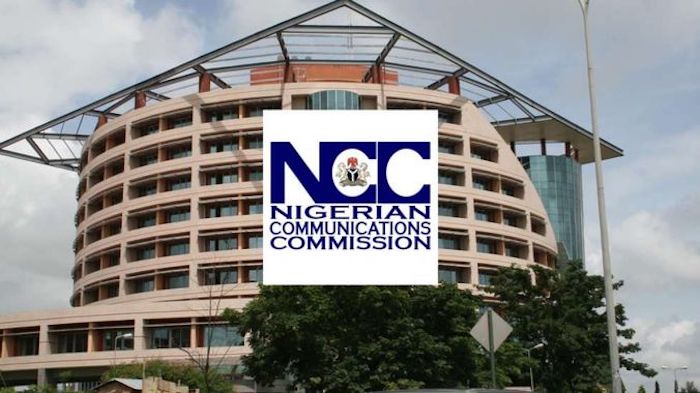
The commission made the disclosure on Wednesday, 13 May, 2026 in a statement signed by its Head of Public Affairs, Nnenna Ukoha, while addressing growing public concerns over deteriorating telecom service quality and ongoing efforts to improve network performance nationwide.
According to the NCC, Mobile Network Operators invested more than N2.13tn in network expansion and upgrades in 2025, while tower companies committed an additional N373.8bn to infrastructure development across the sector.
The regulator explained that the investments supported the addition and upgrade of over 2,800 telecommunications sites nationwide, aimed at addressing network coverage gaps and boosting capacity in underserved and high-demand locations.
However, despite the massive investments, the commission acknowledged that many Nigerians still experience service instability, poor internet connectivity and network congestion.
“The Commission recognises the frustration experienced by consumers when calls drop, internet speeds slow down, data services become unstable, or service disruptions affect daily activities,” the statement read.
The NCC stressed that telecommunications services have become central to economic activities, education, business operations and access to essential services, adding that subscribers deserve reliable services and value for money.
Consequently, the commission said improving Quality of Service had remained one of its top regulatory priorities over the past two years, with intensified monitoring of mobile network operators, internet service providers and tower companies.
Furthermore, the regulator disclosed that the telecom industry is currently undergoing one of its largest network modernisation and expansion phases in recent years following what it described as prolonged under-investment in infrastructure.
According to the NCC, the ongoing interventions include the deployment of faster 4G and 5G infrastructure on existing sites, expansion of fibre backhaul systems to improve network resilience, rollout of services in high-demand urban centres and underserved communities, as well as the replacement of ageing equipment.
“These investments are welcome, but the Commission’s expectation is that they must translate into visible and measurable service improvements for consumers,” the commission stated.
The NCC revealed that network expansion efforts had continued in 2026 as operators respond to rising data consumption and the rapid growth of Nigeria’s digital economy.
The commission disclosed that telecom operators had committed to adding and upgrading more than 12,000 telecom sites in 2026, with nearly 3,000 already completed.
Similarly, over 730 additional 5G sites have reportedly been deployed across 27 states this year to strengthen network capacity and broadband penetration.
In addition, the NCC said it facilitated the reallocation of idle and underutilised radio spectrum among the three major mobile network operators in line with its Spectrum Trading Guidelines.
According to the commission, the spectrum rearrangement was designed to improve spectral efficiency, expand network capacity and enhance overall service performance for subscribers.
The regulator also noted that its Quality of Service and Quality of Experience assessments, conducted through crowdsourced and field-based analytics, indicated gradual improvements in network performance across several parts of the country.
It stated that 4G penetration increased from 45 per cent in January 2024 to 54 per cent currently, while national median download speeds improved from 16.5 megabits per second to 20 megabits per second within the same period.
Likewise, power availability at telecom tower sites improved from a national average of 99.3 per cent in January 2025 to 99.7 per cent currently.
However, the commission admitted that the pace and consistency of service improvements remain inadequate in some locations where subscribers still face poor call quality, network congestion and slow internet speeds.
The NCC also identified major infrastructure challenges affecting telecom service delivery, including frequent fibre cuts, vandalism, theft of telecom equipment, power disruptions and denial of access for maintenance operations.
According to the regulator, more than 27,000 avoidable fibre-cut incidents linked mainly to road construction activities and vandalism were recorded nationwide in 2025 alone.
The commission noted that the incidents significantly disrupted service availability, weakened network performance and negatively impacted customer experience.
To address the situation, the NCC said it had intensified collaboration with the Office of the National Security Adviser and other stakeholders to implement the Presidential Order on Critical National Information Infrastructure.
The regulator added that the partnership had helped disrupt organised syndicates involved in the theft and resale of telecom infrastructure, while engagements with federal and state ministries of works were ongoing to reduce fibre cuts caused by road construction projects.
Meanwhile, in a bid to improve transparency and consumer protection, the NCC directed telecom operators to notify subscribers whenever major network outages occur and restore services within specified timelines.
The commission disclosed that details of major incidents are now being documented through its Major Network Outages Reporting Portal.
Additionally, the regulator said enforcement of the updated Quality of Service Regulations 2024 commenced in November 2025 after operators and tower companies were granted a transition period to procure and install equipment needed to improve service quality nationwide.
According to the NCC, the enforcement measures include consumer compensation for poor service delivery and additional investment obligations for tower companies where network failures persist.
“This enforcement will continue, and where operators fail to deliver measurable improvements, the Commission will take appropriate regulatory action, including escalation where necessary,” the statement added.
The commission also called on federal, state and local governments, host communities and industry stakeholders to support efforts aimed at protecting telecom infrastructure, facilitating maintenance access and creating an enabling environment for sustained investment in the sector.
It reiterated its commitment to ensuring affordable, reliable and high-quality telecommunications services across Nigeria, stressing that operators must begin to deliver measurable improvements that consumers can clearly experience.
