


Nearly 6.4 million Nigerian children aged between zero and 59 months are suffering from acute malnutrition, including about two million cases of severe acute malnutrition, the Federal Government has disclosed, exposing the staggering scale of the country’s child nutrition crisis.
The disclosure came as the Federal Government, the United Nations and Médecins Sans Frontières (MSF) called for significantly stronger investment in Nigeria’s health system and closer collaboration to confront the interconnected challenges of hunger, disease, displacement, insecurity and weak access to healthcare.
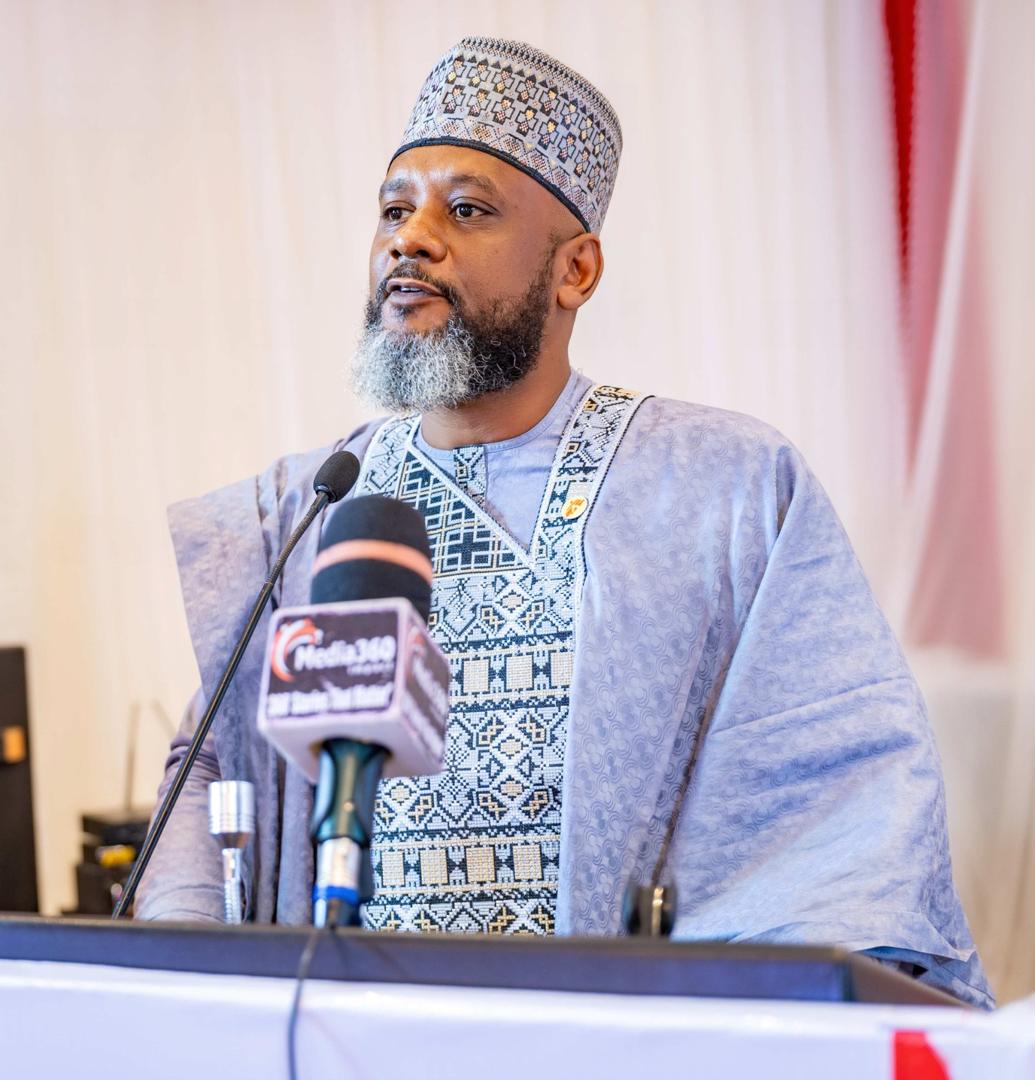
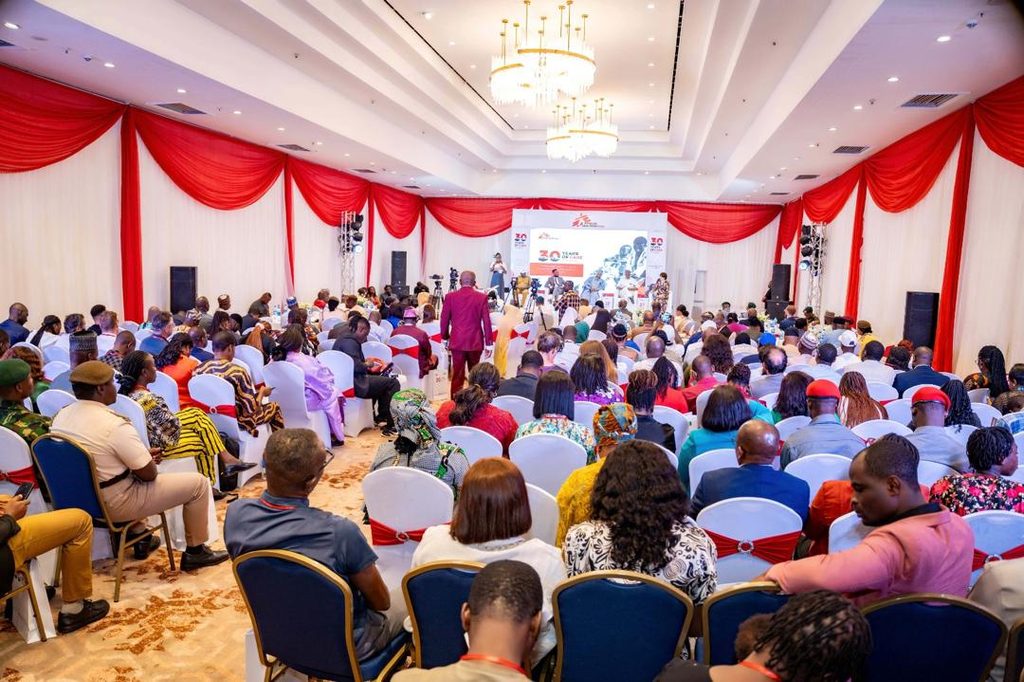
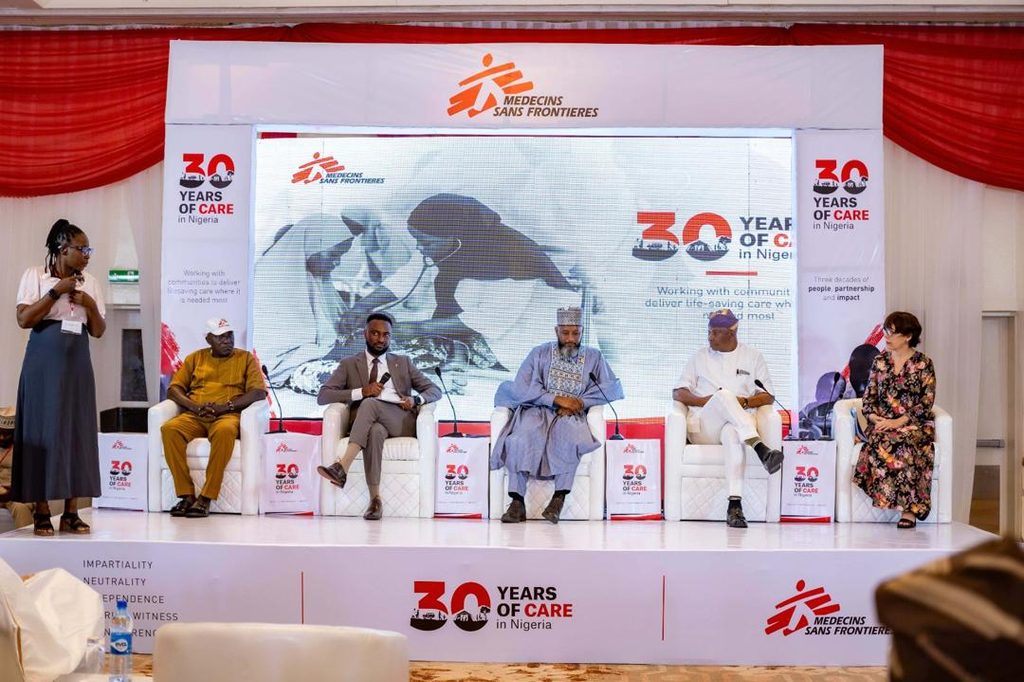
The figures emerged in Abuja at an event marking 30 years of MSF’s medical and humanitarian operations in Nigeria, where the organisation revealed that its teams treated 425,634 children for acute malnutrition in 2025, representing a 41.8 per cent increase from the previous year.
The scale of the crisis means that the MSF caseload represents only part of a much larger national emergency, with government and humanitarian officials warning that emergency treatment must increasingly give way to prevention, stronger primary healthcare and interventions capable of keeping children from becoming malnourished.
Representing the Secretary to the Government of the Federation, Senator George Akume, the Permanent Secretary, Ecological Project Office, Dr Aishetu Mohammed, said MSF’s three decades in Nigeria represented a record of “compassion, humanity, solidarity and service to people in need”.
She said the organisation had played an important role in communities affected by conflict, displacement, disease outbreaks, malnutrition and other emergencies, adding that its experience in emergency response, maternal and child healthcare, nutrition and disease control offered valuable lessons for strengthening Nigeria’s health system.
But the Federal Government’s disclosure of almost 6.4 million acutely malnourished under-five children shifted the focus of the anniversary from MSF’s humanitarian record to the scale of the national crisis confronting Nigeria.
Representing the Minister of Budget and Economic Planning, Senator Abubakar Atiku Bagudu, the Director of Internal Cooperation, Dr Sampson Ebimaro, said MSF treated more than 444,000 children for malnutrition in 2025, including over 353,000 through outpatient feeding programmes and more than 90,000 in stabilisation centres.
He said the organisation also treated more than 341,000 malaria patients, assisted over 35,590 deliveries and performed 224 fistula surgeries, while responding to outbreaks of cholera, measles, diphtheria and Lassa fever.
MSF’s published 2025 activity report similarly shows the scale of its wider intervention, recording 1.94 million outpatient consultations, 881,500 routine vaccinations, 436,200 malaria cases treated, 357,100 children admitted to outpatient feeding programmes and 89,800 children admitted to inpatient feeding programmes.
The organisation operated across 12 states in its 2025 activities, according to its published report, while the government said its operations covered 10 states during the period and were being expanded to Anambra and Niger. The differing figures reflect different reporting categories and periods, but both underscore the breadth of MSF’s intervention in Nigeria.
Ebimaro said government’s responsibility was not merely to welcome humanitarian interventions but to ensure that such interventions strengthened Nigeria’s own capacity to respond to future crises.
“The ultimate measure of our success is not how many interventions we deliver, but whether we build the capacity of Nigerian institutions to deliver those interventions and sustain them whenever MSF decides to hand over operations to the host state,” he said.
He also cited MSF data showing a 330 per cent increase in measles cases in Zamfara in 2025 compared with 2024, while treatment centres in Sokoto recorded peak bed occupancy of 183 per cent, with an 8.1 per cent mortality rate among admitted children.
The figures underline the extent to which Nigeria’s nutrition crisis is intertwined with the wider weakness of essential health services.
Malnutrition weakens children’s immune systems and can make them more vulnerable to infections. MSF has reported that children arriving at its nutrition facilities in northern Nigeria often suffer from conditions including measles, diphtheria and malaria.
The crisis is particularly acute in northern Nigeria, where insecurity, displacement, poverty, food insecurity and inadequate access to healthcare have combined to put additional pressure on families. MSF has described the situation as a public health emergency and has repeatedly called for prevention measures alongside treatment.
The United Nations Resident and Humanitarian Coordinator (a.i.), Ms Elsie Attafuah, said the significance of MSF’s 30 years in Nigeria should ultimately be measured by the lives saved.
She said MSF had treated more than 400,000 children for acute malnutrition in 2025 while also supporting maternal and newborn care, nutrition services and treatment for noma, a devastating disease associated with extreme poverty and malnutrition.
But Attafuah warned against allowing humanitarian intervention to become a substitute for longer-term recovery and development.
“A rebuilt home needs clean water, a reopened clinic needs trained staff and medicines, and a family returning to farming needs safety and access to markets,” she said.
She called for humanitarian, development and peacebuilding interventions to be better coordinated, while stressing the importance of protecting MSF’s independent, impartial and neutral medical operations.
Her intervention reflects the increasingly complex environment in which humanitarian agencies are operating. MSF’s own assessment of Nigeria says millions of people, particularly in northern states, are facing the combined effects of conflict, poverty, climate shocks and declining access to healthcare.
The MSF Country Representative, Dr Ahmed Aldikhari, said the organisation’s Nigerian journey began in 1996, when it responded to a meningitis epidemic in Kano, Bauchi and Katsina states.
Three decades later, its work has expanded to maternal and child healthcare, nutrition, vaccination, surgery, tuberculosis and HIV care, as well as emergency responses to conflict, displacement and disease outbreaks.
Aldikhari, however, said the organisation could not solve Nigeria’s health crisis alone.
“We cannot treat our way out of all of this, but we must try to prevent it,” he said, stressing that malnutrition, disease and displacement were interconnected and required collective action.
MSF’s experience over the past three decades demonstrates the limits of a response centred only on treating children after they become critically ill. In its 2025 operations, the organisation said patient numbers in its northern nutrition programmes had continued to rise, while the peak malnutrition season lasted longer than in previous years.
It has also warned that the drivers of the crisis include inflation, food insecurity, inadequate healthcare infrastructure, insecurity and disease outbreaks, compounded by insufficient funding for nutrition interventions.
Representing the Minister of Information and National Orientation, Mohammed Idris, the Director-General of the National Orientation Agency, Mallam Lanre Issa-Onilu, described MSF as a dependable partner whose interventions had improved healthcare delivery and strengthened community resilience.
For one Nigerian, however, MSF’s intervention represented something more personal than statistics and institutional partnerships.
Noma survivor Useni Usman recalled how the disease subjected him to stigma and rejection until he received free treatment and surgery at the Noma Children’s Hospital.
The intervention, he said, changed the direction of his life. He subsequently joined MSF, where he now raises awareness about noma prevention in communities, while pursuing a university degree.
“I never thought I would be able to stand before people like this,” Usman said, thanking MSF for transforming his life.
His story provided a human face to the wider argument emerging from the anniversary: humanitarian intervention can save lives and restore dignity, but sustainable progress ultimately depends on whether Nigeria can build health institutions capable of continuing that work.
With nearly 6.4 million under-five children now identified by the Federal Government as suffering acute malnutrition, and millions more households facing food insecurity, the challenge is therefore moving beyond how many children humanitarian organisations can treat.
It is increasingly about whether Nigeria can prevent children from reaching emergency wards in the first place.
That was the common thread running through the interventions of government, the United Nations and MSF: emergency organisations remain indispensable in saving lives, but stronger domestic health financing, functioning primary healthcare, food security, disease prevention, humanitarian access and sustainable local capacity will be required if Nigeria is to break the cycle of treating the consequences of a crisis that begins long before a malnourished child reaches a hospital.
