


By Oluwole Solanke PhD FCIB
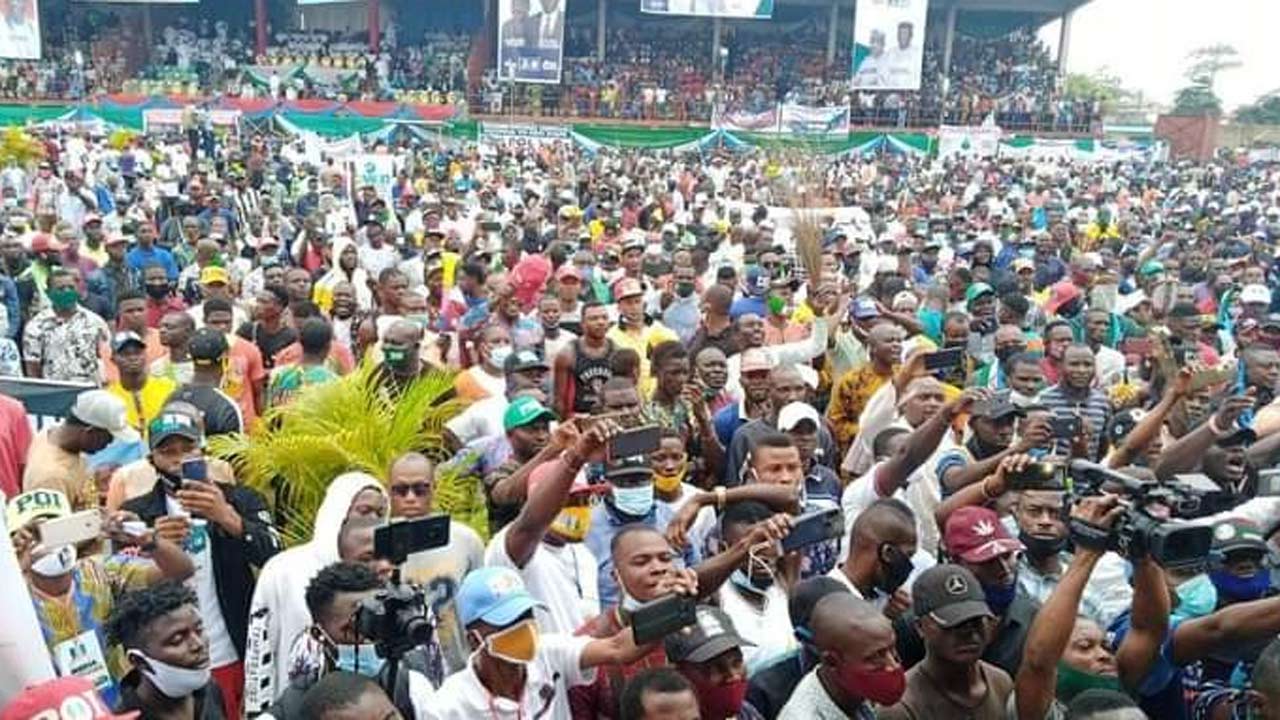
In the heart of Africa lies Nigeria, a nation brimming with vibrant culture, resilient people, and untapped potential. Yet, beneath the surface of its bustling cities and serene villages, a silent cry echoes from the masses—a plea for compassion, fairness, and a chance to thrive. The question lingers: Can the politicians pity the masses? Can those entrusted with power prioritize the welfare of the people over personal gain? In a nation where hope and hardship coexist, it’s time to reflect on the role of leadership in uplifting the common man. As Nelson Mandela once said, “It always seems impossible until it’s done.”
The Plight of the Masses
Every day, millions of Nigerians wake up to face a reality shaped by economic struggles, inadequate infrastructure, and systemic inequalities. From the bustling streets of Lagos to the rural farmlands of Sokoto, the masses toil tirelessly, yet many are trapped in a cycle of poverty. The rising cost of living, unreliable electricity, and limited access to quality education and healthcare weigh heavily on the shoulders of ordinary citizens.
The people are not asking for handouts; they seek opportunities to rise. They yearn for a system where hard work is rewarded, where children can dream without the shadow of despair, and where the elderly can retire with dignity. As Maya Angelou wisely noted, “When you know better, you do better.” The masses know what they deserve—a government that sees their struggles and acts with empathy.
The Role of Politician
Politicians in Nigeria hold the keys to transformative change. They craft policies, allocate resources, and shape the nation’s future. Yet, too often, the gap between the leaders and the led feels like an unbridgeable chasm. Corruption, mismanagement, and self-interest have eroded trust, leaving the masses disillusioned. The question is not whether politicians can pity the masses but whether they will choose to.
Pity, in this context, is not about condescension. It is about empathy—understanding the struggles of the market woman who cannot afford to restock her stall, the graduate who roams the streets without a job, or the parent who watches their child go to bed hungry. As Desmond Tutu once said, “My humanity is bound up in yours, for we can only be human together.” True leadership lies in recognizing this shared humanity and acting to uplift those who need it most.
A Call for Compassionate Governance
Imagine a Nigeria where politicians prioritize the masses—where roads are built not just for the elite but for the farmer transporting goods to market; where hospitals are equipped to save lives, not just to exist; where schools empower every child, regardless of their background. This vision is not a fantasy—it is achievable. But it requires leaders who govern with integrity, vision, and a heart for the people.
Compassionate governance means investing in education to unlock the potential of Nigeria’s youth. It means creating jobs to harness the energy of a vibrant population. It means ensuring that the wealth of the nation’s resources benefits all, not just a select few. As John F. Kennedy said, “Ask not what your country can do for you, ask what you can do for your country.” Politicians must ask themselves: What am I doing for the masses?
Stories of Resilience
The Nigerian spirit is unbreakable. From the street hawker who rises before dawn to the entrepreneur who innovates against all odds, the masses embody resilience. Take Amina, a single mother in Kano who weaves baskets to send her children to school. Or Chukwudi, a young engineer in Port Harcourt who built a solar-powered solution for his community despite limited resources. These stories remind us that the masses are not helpless—they are heroes waiting for a system that supports their dreams.
Politicians must draw inspiration from these everyday heroes. They must see the masses not as a burden but as the heartbeat of the nation. As Oprah Winfrey said, *“The greatest discovery of all time is that a person can change his future by merely changing his attitude.”* A shift in attitude—from apathy to action—could transform Nigeria’s trajectory.
A Path Forward
The road to a better Nigeria begins with accountability. Politicians must be held to their promises, and the masses must demand transparency. Civil society, the media, and citizens must work together to ensure that those in power serve the people, not themselves. Grassroots movements, empowered by technology and social media, can amplify the voices of the masses, reminding leaders that they are stewards, not kings.
Moreover, politicians must invest in sustainable development. Policies that prioritize renewable energy, agriculture, and technology can create jobs and reduce inequality. Education reforms can equip the next generation to compete globally. Healthcare improvements can ensure that no Nigerian dies from preventable causes. As Mahatma Gandhi said, *“The best way to find yourself is to lose yourself in the service of others.”* Service-oriented leadership is the key to Nigeria’s transformation.
A Plea to the Heart
To the politicians of Nigeria, the masses are not faceless statistics—they are mothers, fathers, brothers, and sisters. They are the backbone of the nation, the dreamers who refuse to give up. Pity them not with empty promises but with actions that restore hope. Build schools that inspire, roads that connect, and systems that empower. Let your legacy be one of compassion, not corruption.
To the masses, your resilience is your strength. Continue to demand better, to hold leaders accountable, and to believe in the Nigeria of your dreams. As Martin Luther King Jr. said, *“The arc of the moral universe is long, but it bends toward justice.”* Your voices, united, can bend that arc toward a brighter future.
*A Hopeful Future*
Nigeria stands at a crossroads. The path forward depends on whether its leaders will heed the cries of the masses. Can the politicians pity the masses? Yes, they can—but more importantly, they must. They must choose empathy over indifference, service over self-interest, and progress over stagnation. The masses deserve a Nigeria where their dreams can take flight, where their hard work yields fruit, and where their voices are heard.
As Helen Keller once said, *“Although the world is full of suffering, it is also full of the overcoming of it.”* Nigeria’s suffering can be overcome—not by chance, but by choice. Let the politicians choose wisely. Let them pity the masses with action, not words. And let the masses rise, as they always have, to build a nation that shines as brightly as their spirit.
Together, we can create a Nigeria where every citizen thrives. The time is now. The choice is ours.
